Off-Road First Aid Kit Checklist

Quick answer: A first aid kit for a trail an hour from cell signal needs more than the basics in a glovebox kit built for a parking-lot scrape. This list follows the same logic wilderness-medicine guidance uses for remote travel: control severe bleeding, stabilize an injury, and buy time until real help can reach you or you can reach it.
Why an Off-Road Kit Is Different From a Glovebox Kit
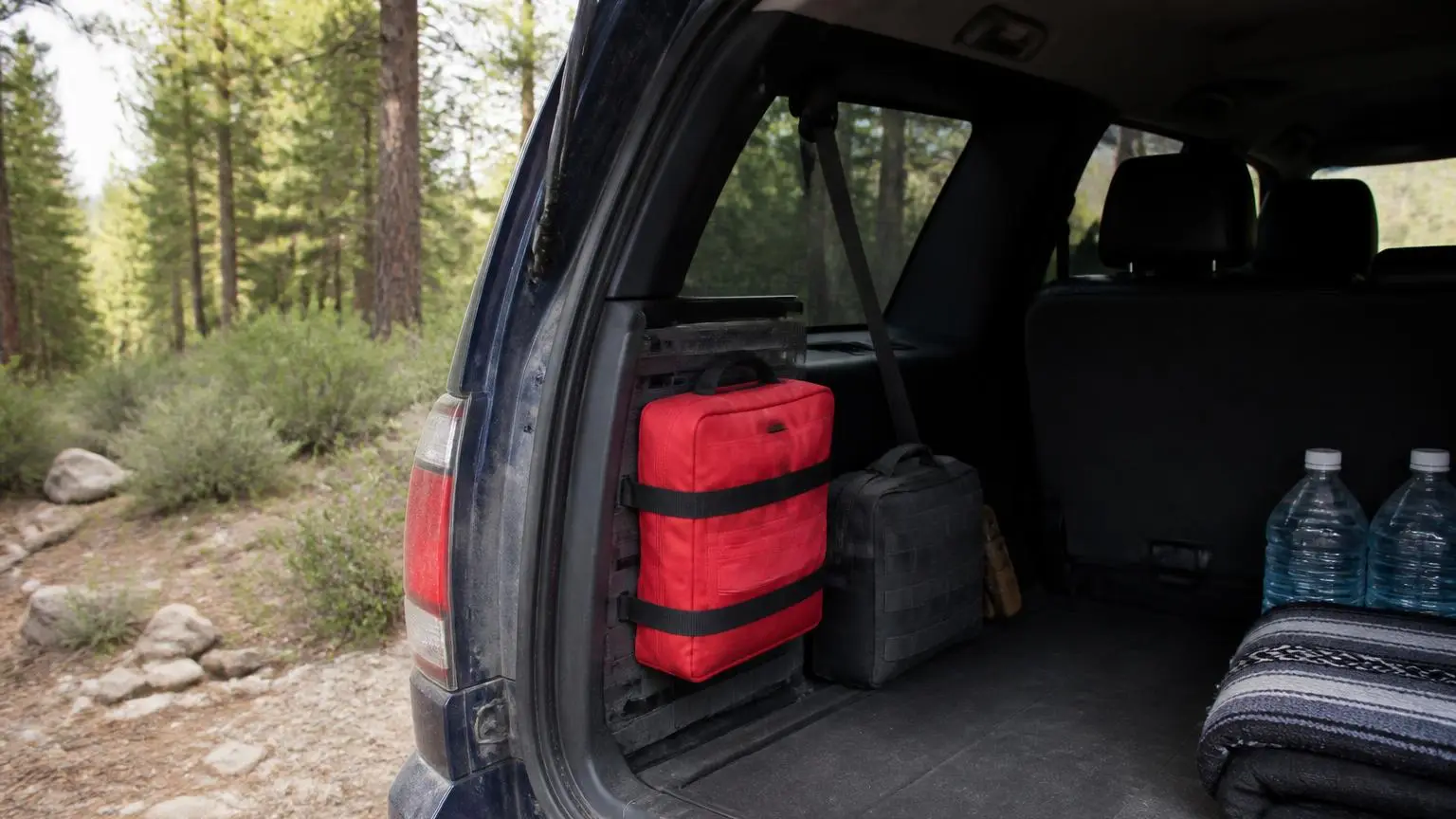
A paved-road breakdown puts help minutes away. A trail an hour from cell signal changes the math: the kit has to stabilize a real injury and buy time, not just cover a scrape. Wilderness-medicine guidance consistently prioritizes severe-bleeding control first, because uncontrolled hemorrhage is the most time-critical injury a first-aid kit can actually influence the outcome of.
How to Use This Checklist
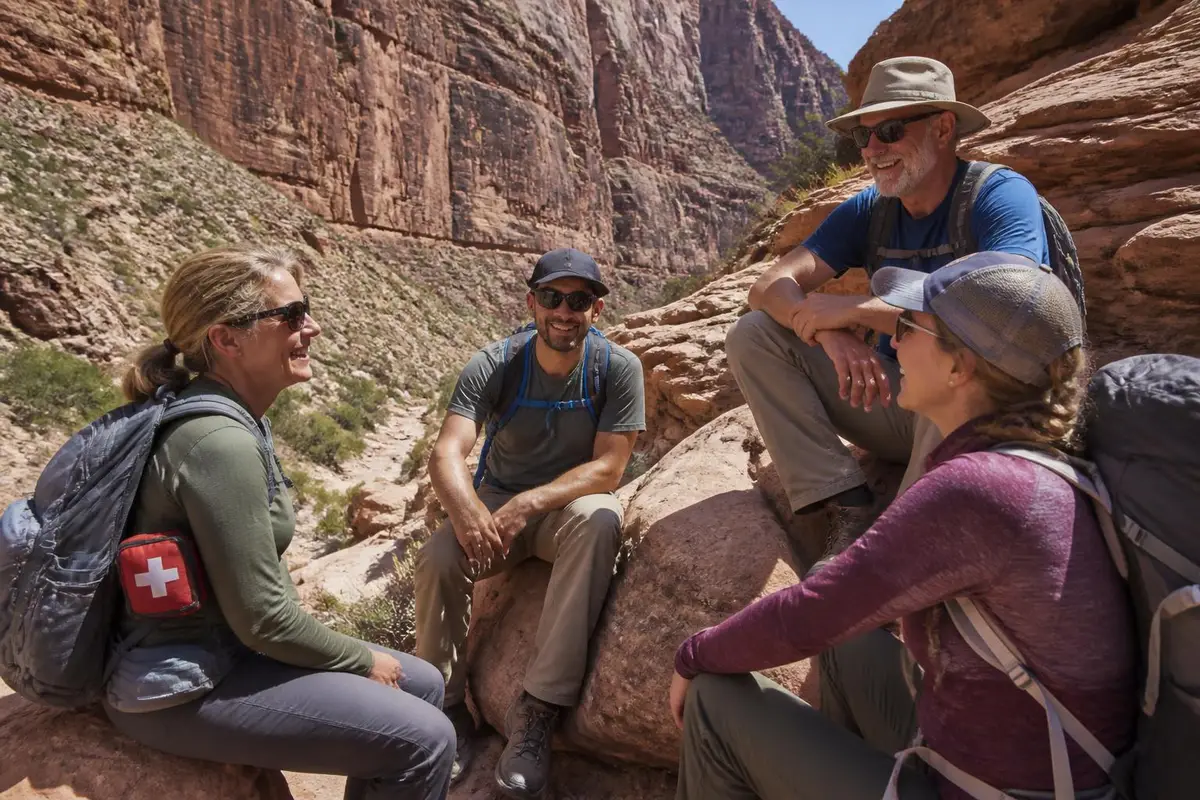
Work through bleeding control first, then wound and injury care, medication, and environmental/communication items. Ticks save in your browser as you build the kit, and the Reset checklist button clears it once the kit is complete and you just want a clean list to double-check against next season.
Why the First Minutes Matter Most
DHS's own Stop the Bleed instructions — a federal campaign the Department of Defense owns the name and logo for — walk through applying a tourniquet in seven steps: apply firm direct pressure first, and only move to a tourniquet if the dressing soaks through; place it at least 2–3 inches from the wound and between the wound and the heart, never over a joint; tighten the strap by hand, then twist the windlass rod until the bleeding stops; secure the rod so it can't unwind; and write down the application time, since a tourniquet left on too long can itself damage tissue. That level of urgency is the reason bleeding control sits at the top of this checklist rather than being treated as one item among many — a remote trail can be well over an hour from care, and severe bleeding doesn't wait that long. Gloves belong in that same first move, not as an afterthought: OSHA's bloodborne pathogens standard (29 CFR 1910.1030) treats any contact with another person's blood as a potential exposure risk, which is why nitrile gloves are worth putting on before touching a wound, including your own if someone else is helping. The gastrointestinal medication on this list earns its place the same practical way: the CDC recommends boiling water for at least one minute (three minutes above 6,500 feet) or filtering and chemically disinfecting it before drinking from any backcountry source, since water that looks clean can still carry the bacteria, viruses and parasites behind travelers' diarrhea.
Aside From the Kit
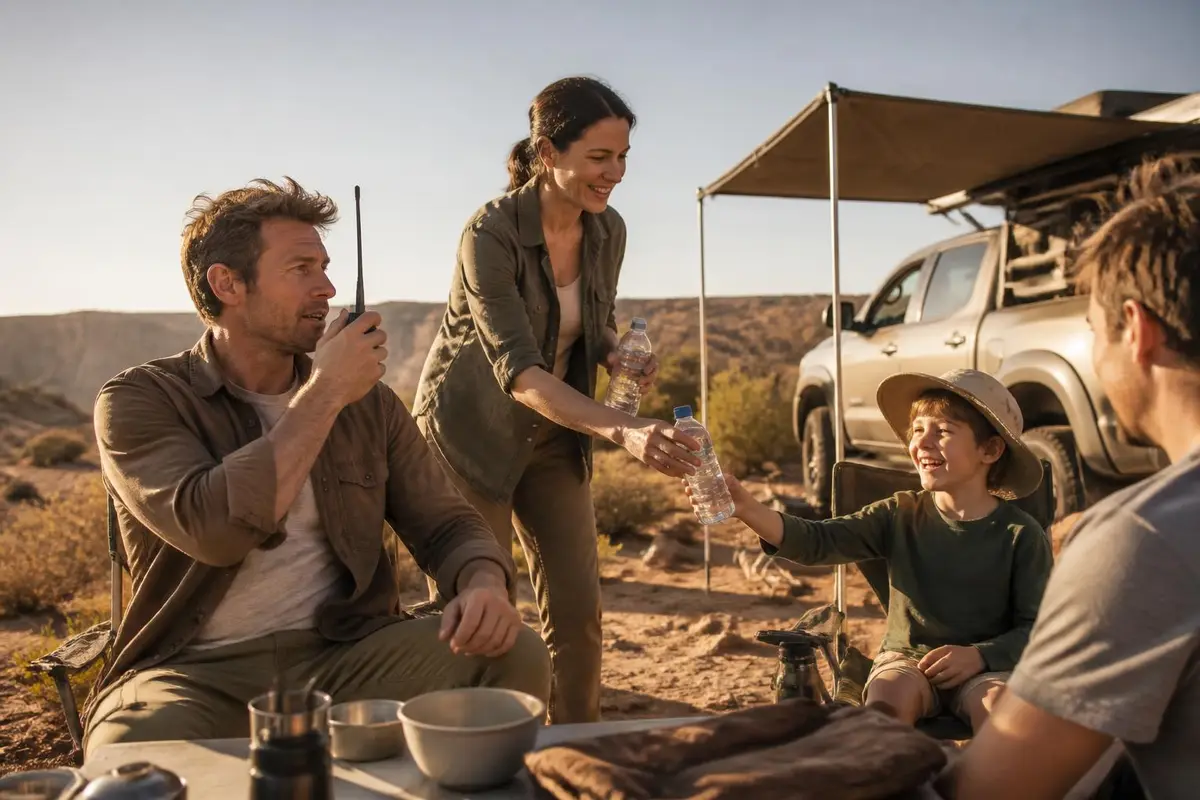
A first-aid kit is only one half of remote preparedness — the other half is being able to call for help at all. Pair this kit with a satellite communicator or GMRS radio and make sure at least one person in the group knows how to use every item in the kit before you need it under pressure.
Bleeding control
Wound & injury care
Medication
Environmental & communication
Ticks are saved only in your browser on this device; never sent to us.
Get the Printable Checklist Pack
Leave your email and we'll add you to the list for the full printable checklist pack when it's ready. No spam, unsubscribe any time.
Recommended gear
First aid and light for the trail
Affiliate disclosure: As an Amazon Associate, we earn from qualifying purchases, at no extra cost to you. We research rather than test, and commissions never change our rankings. This site is reader-supported: those commissions pay for hosting, research and keeping every guide up to date, so if a guide helped you, buying through our links is an easy way to support it. How we rank · Full disclosure

Best for a compact first-aid kit for 1–2 people.
- Watertight, ultralight medical kit.
- Sized for two people.

Best for hands-free light around camp.
- Rechargeable and dimmable.
- 400-lumen Spot series.

Best for lighting a camp table or tent.
- 800-lumen rechargeable LED lantern.
- Impact- and water-resistant.

Best for plugging a tread puncture on the trail.
- Reamer-and-plugger kit for tread punctures.
- Lets you plug a tire on the trail instead of changing it.
We research products from manufacturer specs and owner feedback; we don't test them ourselves. How we choose.
FAQ
Is a store-bought first aid kit good enough for off-road trips?
Most pre-made kits sold for cars and hiking are built around minor cuts and blisters, not the trauma supplies (a real tourniquet, wound packing gauze, a splint) that remote-trip guidance recommends. Many owners buy a basic kit as a base and add the trauma items separately.
Do I need training to use a tourniquet or pack a wound?
A short wilderness first-aid or Stop the Bleed course (often free or low-cost, and widely offered) makes a real difference in an actual emergency. Owning the gear without knowing how to use it under stress is a common gap.
How often should I check my kit?
At least once a season. Medications and some dressings have expiration dates, and gear that has been opened or used needs restocking before the next trip, not discovered empty on the trail.
Sources
- American College of Surgeons — Stop the Bleed — Severe-bleeding control (tourniquet use, wound packing) as the time-critical priority in trauma first aid, and the availability of Stop the Bleed training.
- CDC — Tick Removal — Correct tick-removal technique for trail regions with tick exposure.
- DHS — Applying a Tourniquet (Stop the Bleed) — The federal Stop the Bleed campaign's seven-step tourniquet application instructions (placement 2–3 inches from the wound, tightening, securing the windlass, timing).
- OSHA — Bloodborne Pathogens, 29 CFR 1910.1030 (via Cornell LII) — The rationale for treating any contact with another person's blood as a potential exposure risk, behind the nitrile-gloves item.
- CDC — About Water Treatment Options When Hiking, Camping, or Traveling — Boiling (1 minute, 3 minutes above 6,500 ft) or filtering/disinfecting backcountry water, behind the gastrointestinal-medication item.