All Categories

Off-Road & 4x4 Gear Categories
Every category we cover, grouped the way you shop. Each hub gathers buying guides, explainers and fitment notes for that setup. Product rankings come from aggregated owner reviews and manufacturer specifications; we don't test gear first-hand.
Where to Start: Read Your Truck's Labels First
Most off-road gear adds weight, changes the tires or hangs off a recovery point, so three things printed on the truck itself decide what it can safely carry and pull. Read them before you buy anything in the categories below.
1. Weight ratings on the door-jamb label
Federal rule 49 CFR 567.4 requires every vehicle to carry a certification label, usually on the driver's door edge or door-latch pillar, that states its Gross Vehicle Weight Rating (GVWR) and a Gross Axle Weight Rating (GAWR) for each axle, front to rear. GVWR is the most the loaded truck may weigh; GAWR caps each axle. Bumpers and winches load the front axle, while drawers, fridges and water load the rear, so check the axle figure as well as the total.
2. Payload on the tire and loading label
The tire and loading information label next to it gives the payload in plain words: the combined weight of occupants and cargo should never exceed a stated number of pounds. The owner's-manual wording required by 49 CFR 575.6 works an example: if that number is 1,400 lb and five 150-lb people ride along, 650 lb is left for cargo. The same rule says trailer load transfers to the vehicle, so tongue weight comes out of payload too. Every roof rack, rooftop tent, steel bumper and drawer system is part of that cargo figure.
3. Tires: pressure, tread and load index
NHTSA says to check every tire, including the spare, at least once a month when cold (not driven for at least three hours), inflating to the pressure on the door-edge label or in the owner's manual. The maximum pressure molded into the sidewall is not the recommended pressure. Replace tires at 2/32 inch of tread. When you change tire size, the load index on the sidewall shows how much weight each tire can support; NHTSA notes it isn't required on every tire, so confirm it on the maker's spec sheet before buying.
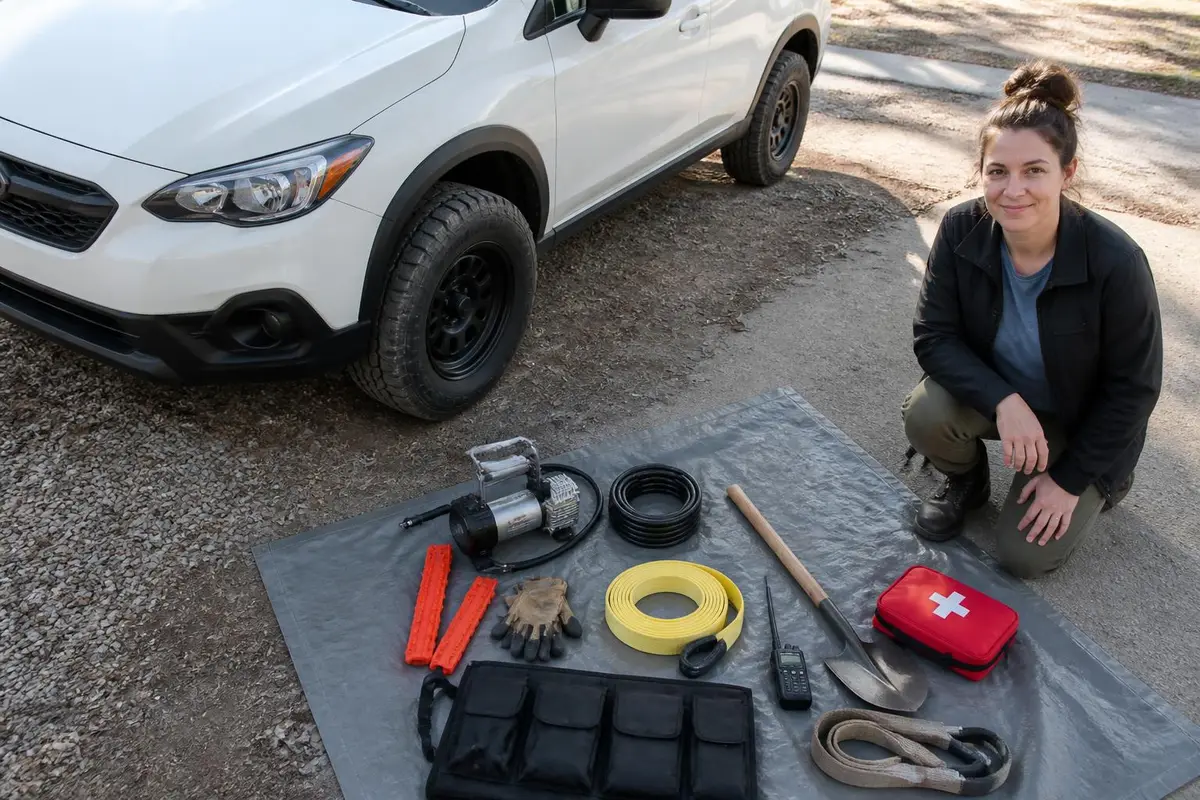
4. Recovery points and ratings
ARB's recovery guidance is to use only correctly mounted, rated recovery points, and never a tow ball or tie-down point. Tow balls aren't made of high-tensile material and have failed under recovery loads. The same GVWR from the door label sizes the recovery gear: WARN's rule is GVWR × 1.5 for minimum winch capacity (a 5,600-lb GVWR truck needs at least 8,400 lb of line pull), and ARB recommends a kinetic strap with a minimum breaking strength of two to three times the vehicle's gross mass.
With those numbers in hand, the categories below are grouped the way most builds come together: recovery and trail gear first, then power and camp, then truck and interior upgrades, and fitment notes by brand. The towing and payload, recovery gear and all-terrain and mud tires hubs work through each check above in detail.
Affiliate disclosure: As an Amazon Associate, we earn from qualifying purchases, at no extra cost to you. We research rather than test, and commissions never change our rankings. This site is reader-supported: those commissions pay for hosting, research and keeping every guide up to date, so if a guide helped you, buying through our links is an easy way to support it. How we rank · Full disclosure
Recovery & Trail
8 categories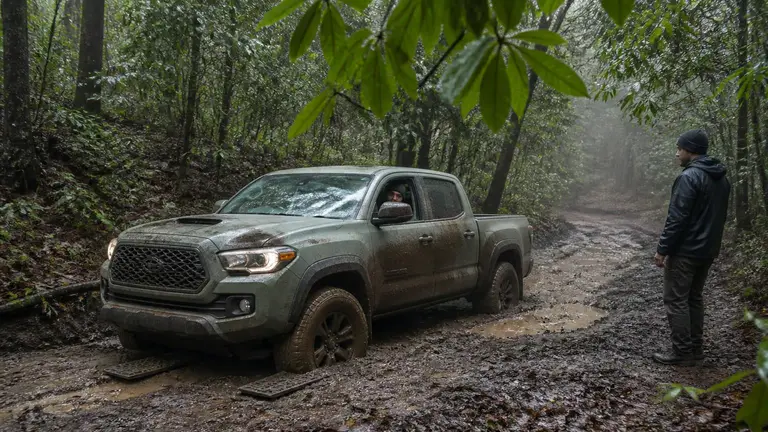

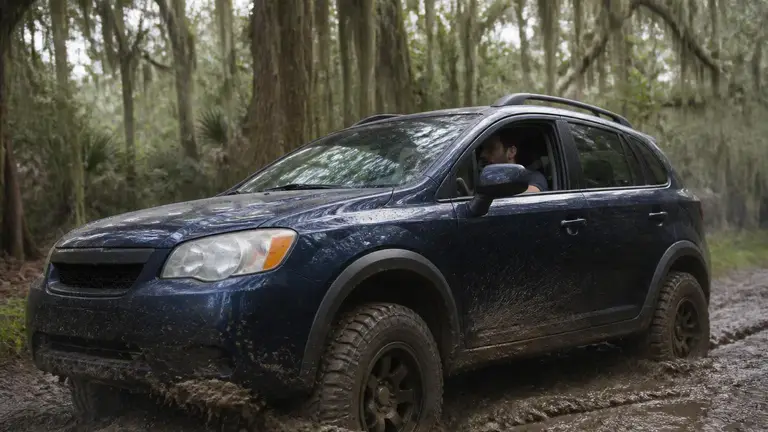
Power & Camp
6 categories


Truck & Interior
4 categories
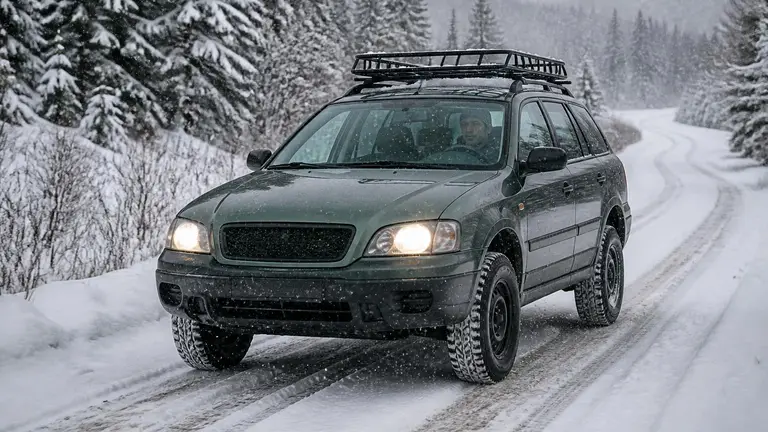
New Here? Start With These Three
Three hubs to start with: Recovery Gear, Suspension & Lift Kits, and Roof Racks, Rooftop Tents & Cargo. Each links to the buying guides and fitment notes inside it. Our How We Rank page explains how products are ranked.
Sources
- eCFR — 49 CFR § 567.4 (Vehicle certification label) — Door-edge certification label location and its GVWR and per-axle GAWR statements.
- 49 CFR 575.6 — Owner's manual load-limit steps (Cornell LII) — Combined occupant and cargo limit, the 1,400 lb / five 150-lb passengers / 650 lb example, and trailer load transferring to the vehicle.
- 49 CFR 571.110 (FMVSS 110) — Tire Selection and Rims (Cornell LII) — The tire and loading information placard on the vehicle.
- NHTSA — Tire Safety (TireWise) — Check pressure monthly when cold, use the door-label pressure not the sidewall maximum, replace at 2/32 inch, and load index meaning.
- ARB — Getting Started: Recovery Techniques & Equipment — Use only rated recovery points, never a tow ball or tie-down point; strap breaking strength two to three times gross vehicle mass.
- WARN — Determine the Right Winch Capacity for Your Truck or SUV — GVWR × 1.5 minimum winch capacity and the 5,600-lb GVWR / 8,400-lb example.