
Affiliate disclosure: As an Amazon Associate, we earn from qualifying purchases, at no extra cost to you. We research rather than test, and commissions never change our rankings. This site is reader-supported: those commissions pay for hosting, research and keeping every guide up to date, so if a guide helped you, buying through our links is an easy way to support it. How we rank · Full disclosure
Overland trip planning breaks down into route research, realistic fuel and water range planning, confirming any required permits, a genuine vehicle pre-trip inspection, and a communication plan for when cell service disappears — skipping any one of these is the most common reason an otherwise capable overland trip turns into an avoidable problem.
Route Research: Before You Commit
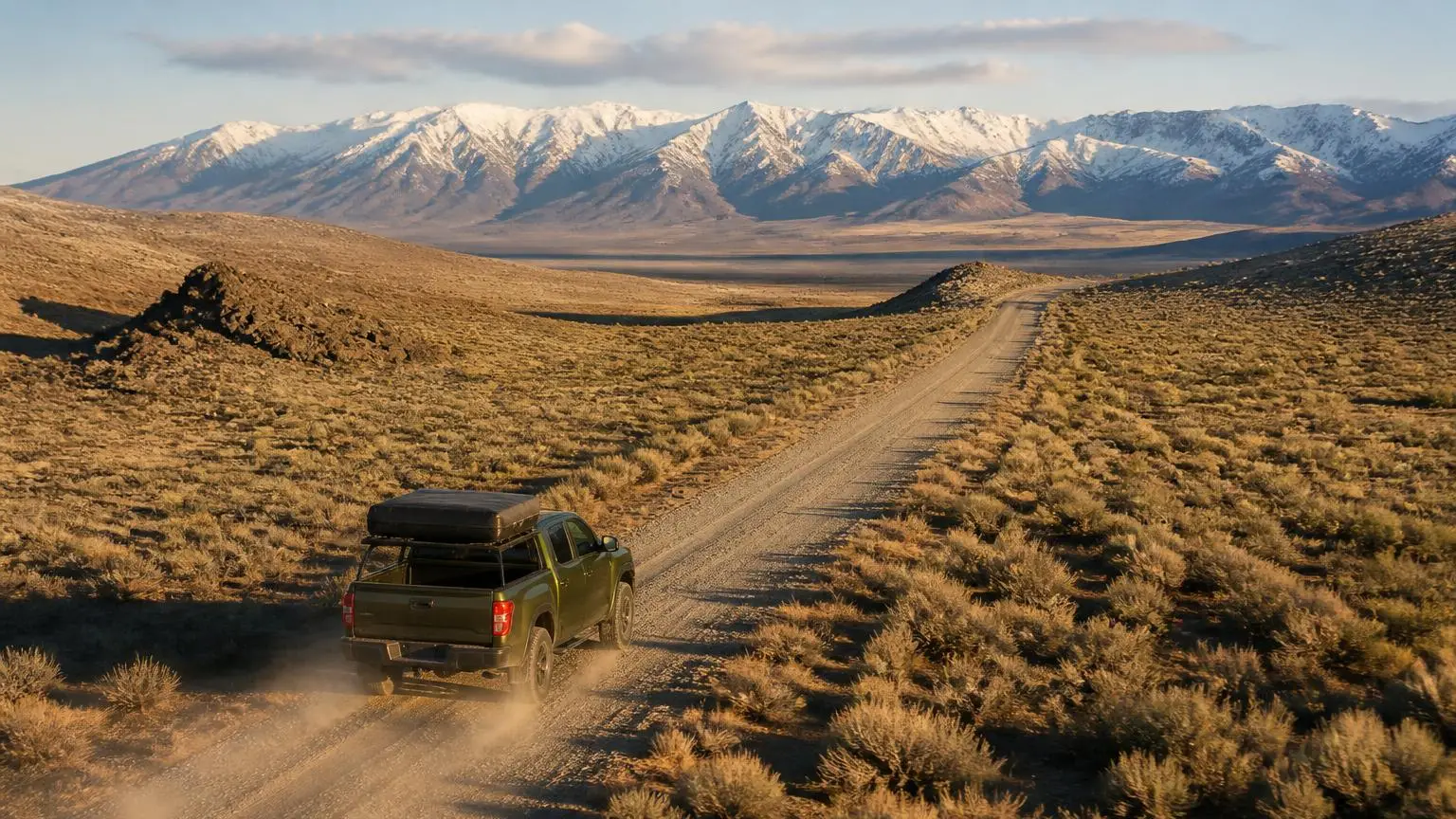
Researching current road and trail conditions — recent trip reports, known washouts or closures, and seasonal factors like snowpack or monsoon flash-flood risk — before committing to a specific route catches problems a static map or an older guidebook entry won't show. Cross-referencing multiple recent sources, not just one trip report, gives a more reliable current picture, particularly after a known weather event in the area.
Fuel and Water Range Planning
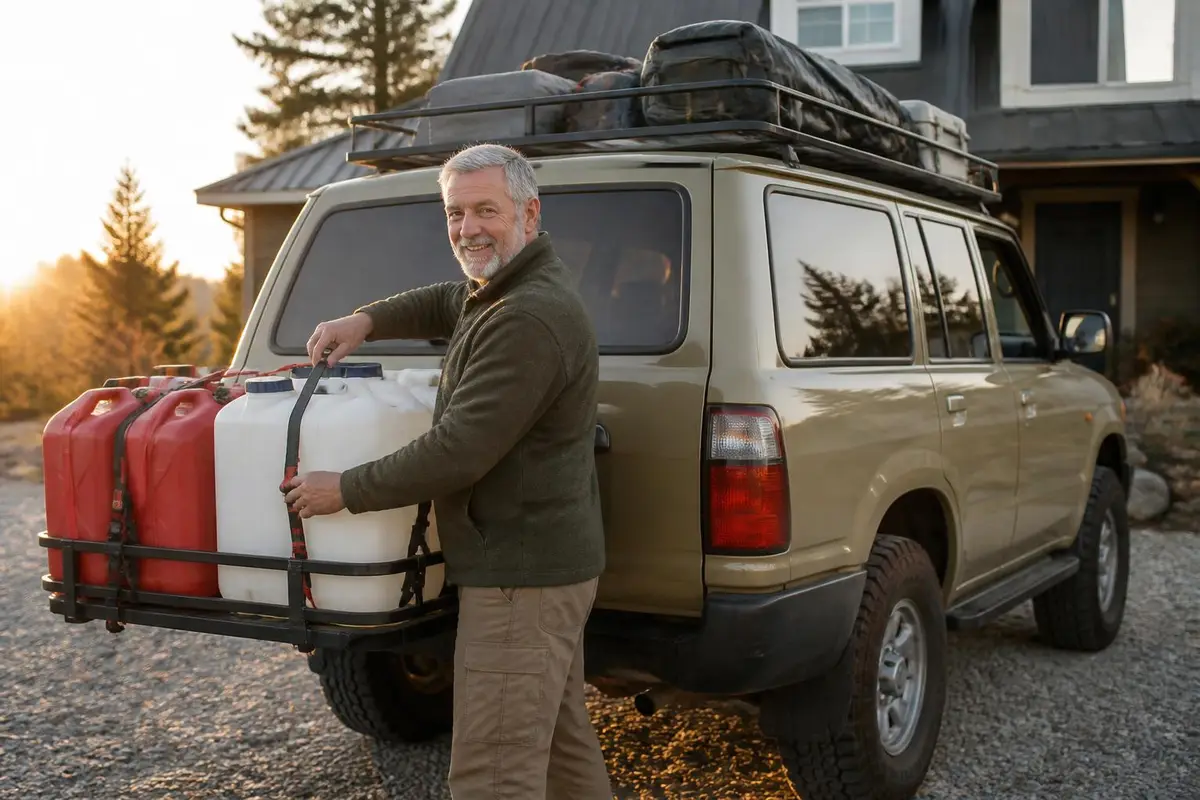
Off-road driving and detours both reduce real-world fuel economy below a route's straight-line distance calculation, which is why experienced overlanders commonly build in a substantial safety margin — see FAQ for typical figures — beyond the calculated distance for a genuinely remote route with no fuel resupply along the way. Water planning starts from the same one-gallon-per-person-per-day floor CDC and Ready.gov set for general emergency preparedness (see FAQ), then scales up for heat, exertion and any additional needs like cooking, dishes or basic hygiene — a multi-day desert route in summer needs meaningfully more than the baseline figure.
Permits and Land-Access Rules
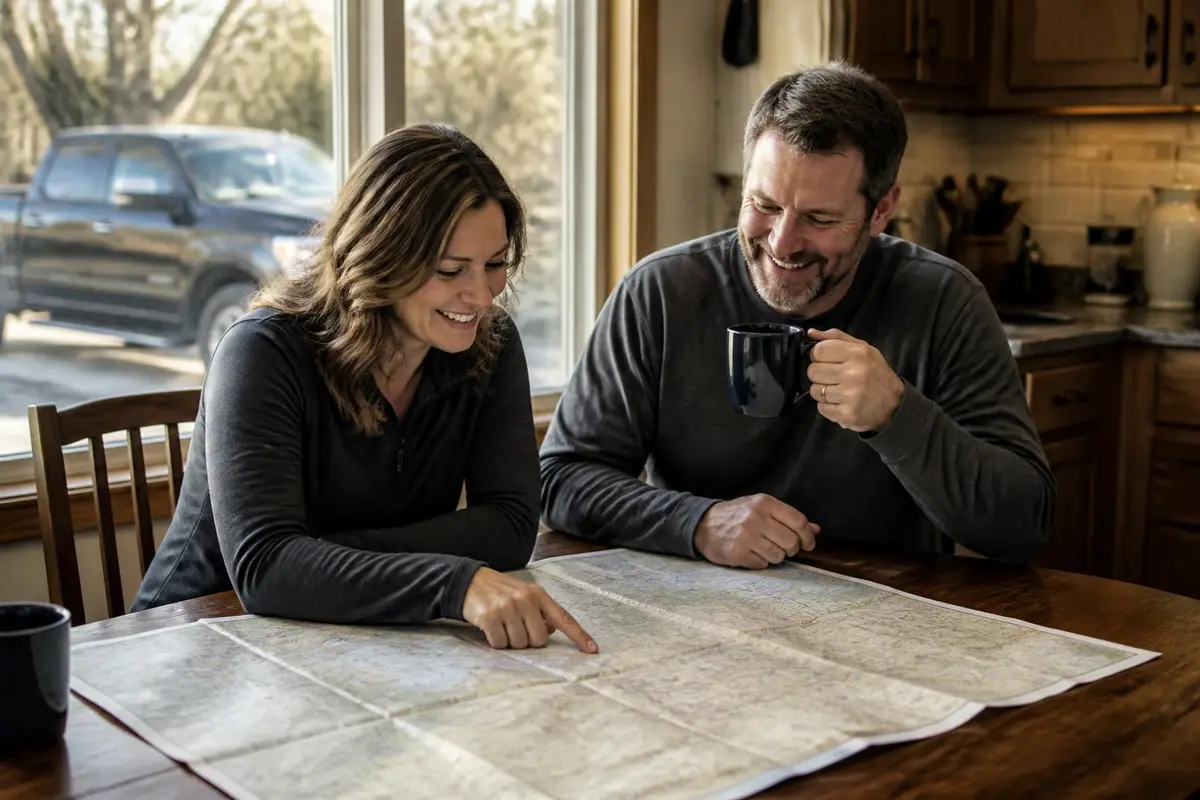
Permit requirements vary entirely by the specific land you're crossing — many BLM and national forest dispersed camping areas require no permit at all, while certain wilderness areas, popular trail systems or high-demand recreation zones require an advance reservation, a day-use permit, or a specific OHV registration (see what is an OHV). Where no permit is required, a stay limit usually still applies: BLM's own camping regulation (43 CFR §8365.1-6) generally caps dispersed camping at 14 days within any 28-day period in a given area, after which a camper must move on and, in most BLM field offices, stay away for a further period before returning to the same spot. Checking the current requirement directly with the managing agency before departure, rather than assuming last year's rule still applies, avoids being turned back at the trailhead.
Vehicle Pre-Trip Inspection
A genuine pre-trip inspection — tire condition and spare, fluid levels, recovery gear actually in the vehicle rather than assumed to be there, and any recent maintenance flags — catches a problem while it's still fixable at home rather than discovered on a remote route. See our pre-trip checklist for the full item-by-item list this planning step should work through.
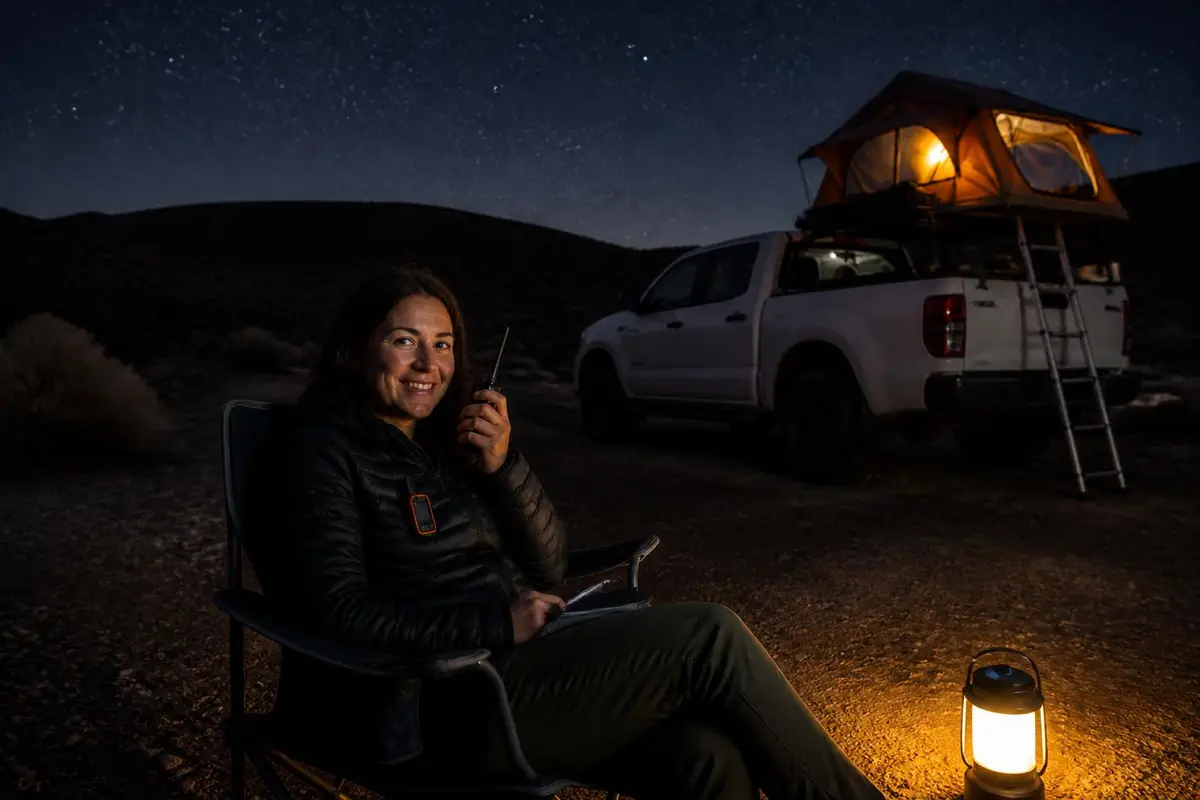
Communication Plan for When Cell Service Ends
A trip plan shared with someone not on the trip — expected route, timeline and a check-in schedule — combined with a satellite communicator or messenger for a genuinely remote route without cell coverage, is the safety net that matters most if something goes wrong far from help (see FAQ). See off-road navigation and comms for how a satellite messenger compares against other communication options for a specific route's remoteness.
Recovery Kit and Packing
See our recovery kit checklist and overland packing checklist for the gear-level detail this trip-planning overview builds on — traction boards, a rated recovery strap, and enough tools and spares matched to how remote and how technical the planned route actually is.
Recommended gear
Camping essentials
Affiliate disclosure: As an Amazon Associate, we earn from qualifying purchases, at no extra cost to you. Purchases through these links help keep this site running and up to date. Learn more

Best for a classic ground tent for campgrounds and dispersed sites.
- Sets up in about 10 minutes, rainfly included.
- Weatherproof dome design in 2- to 6-person sizes.

Best for cool nights at campgrounds.
- Rated to 30°F for cool-weather camping.
- No-snag zipper.
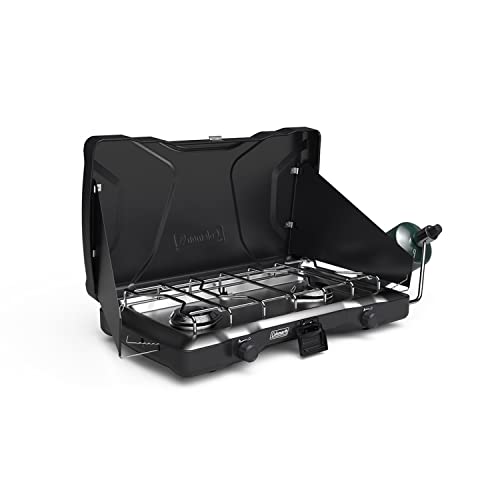
Best for cooking real meals at camp.
- Two-burner portable propane cooktop.

Best for mosquitoes and ticks on skin.
- 20% picaridin pump spray, 3 oz bottles.
- Two-pack.
We research products from manufacturer specs and owner feedback; we don't test them ourselves. How we choose.
Sources
- CDC — Water storage guidance for emergencies — One gallon of water per person per day as the baseline for drinking, cooking and hygiene; more needed in hot conditions.
- Ready.gov (FEMA) — Water — Federal emergency-preparedness water-storage guidance corroborating the one-gallon-per-person-per-day figure.
- eCFR / BLM — 43 CFR §8365.1-6, Camping and occupancy — 14-day dispersed-camping stay limit within a 28-day period on BLM land, and the relocation requirement afterward.