

Affiliate disclosure: As an Amazon Associate, we earn from qualifying purchases, at no extra cost to you. We research rather than test, and commissions never change our rankings. This site is reader-supported: those commissions pay for hosting, research and keeping every guide up to date, so if a guide helped you, buying through our links is an easy way to support it. How we rank · Full disclosure
TL;DR
- Both are full, selectable 100%-locking differentials — the real difference is actuation method (compressed air vs 12V electric), not on-trail traction.
- ARB requires 85 PSI minimum from an alternate air source and states the mechanism can actuate at any vehicle speed.
- Eaton's ELocker draws up to 10.7A on the vehicle's 12V system and calls for a tighter engagement window: stopped or under 3 mph, never sustained above 20 mph.
- Both publish a forged-gear construction claim — ARB's four forged pinion gears in a nodular steel housing, Eaton's net-forged gears in a nodular-iron housing.
- Pick ARB if you already run onboard air; pick Eaton if you'd rather wire a switch than plumb an air line.
Quick Comparison
| Product | Best for | Buy (paid link) |
|---|---|---|
| ARB Air Operated Locking Differential | ARB Air Locker | Price |
| Eaton ELocker Electronic Locking Differential | Eaton ELocker | Price |
Actuation Method: Air vs Electronic
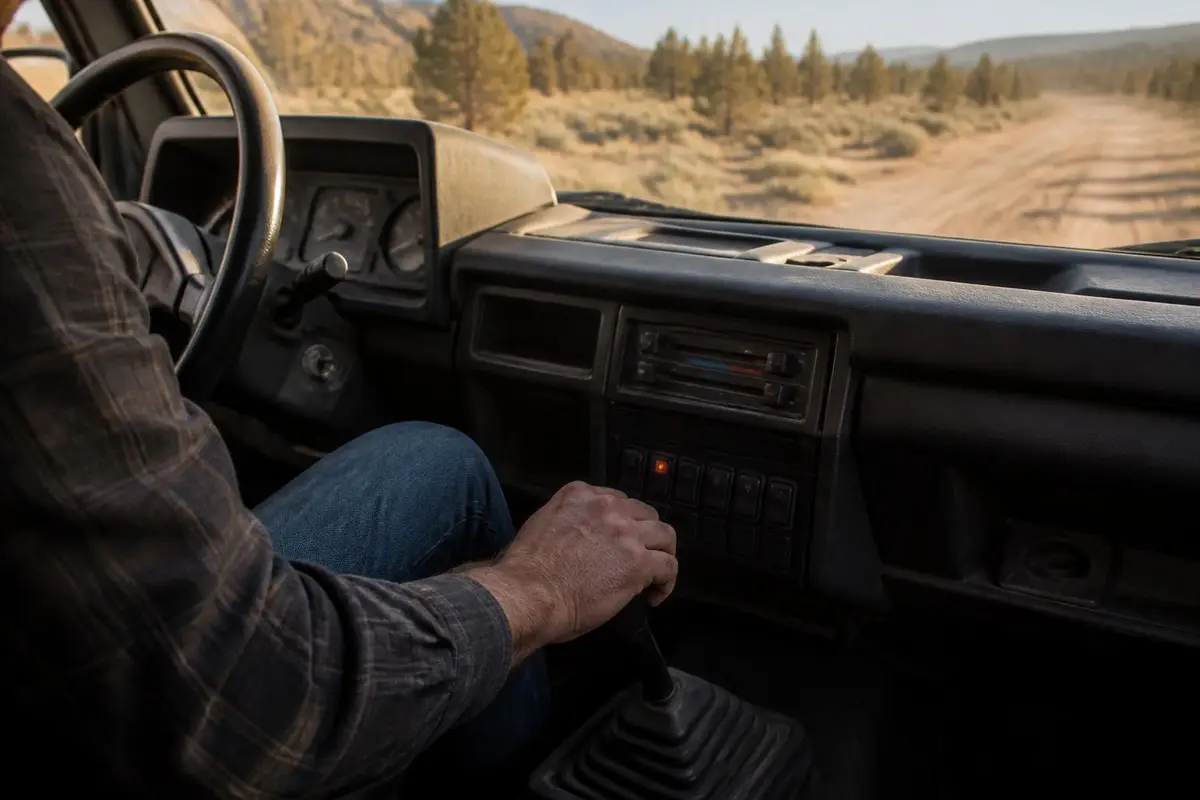
ARB's Air Locker uses compressed air, actuated through a dedicated onboard air compressor and air line routing, to switch between open and locked. Eaton's ELocker uses an electromagnetic mechanism triggered by a simple dash switch, requiring an electrical wiring run instead of air line plumbing. Neither method is inherently more reliable than the other based on either manufacturer's own published materials — the practical difference is what infrastructure the installation requires: air system versus wiring.
Installation: Air Line Plumbing vs Electrical Wiring
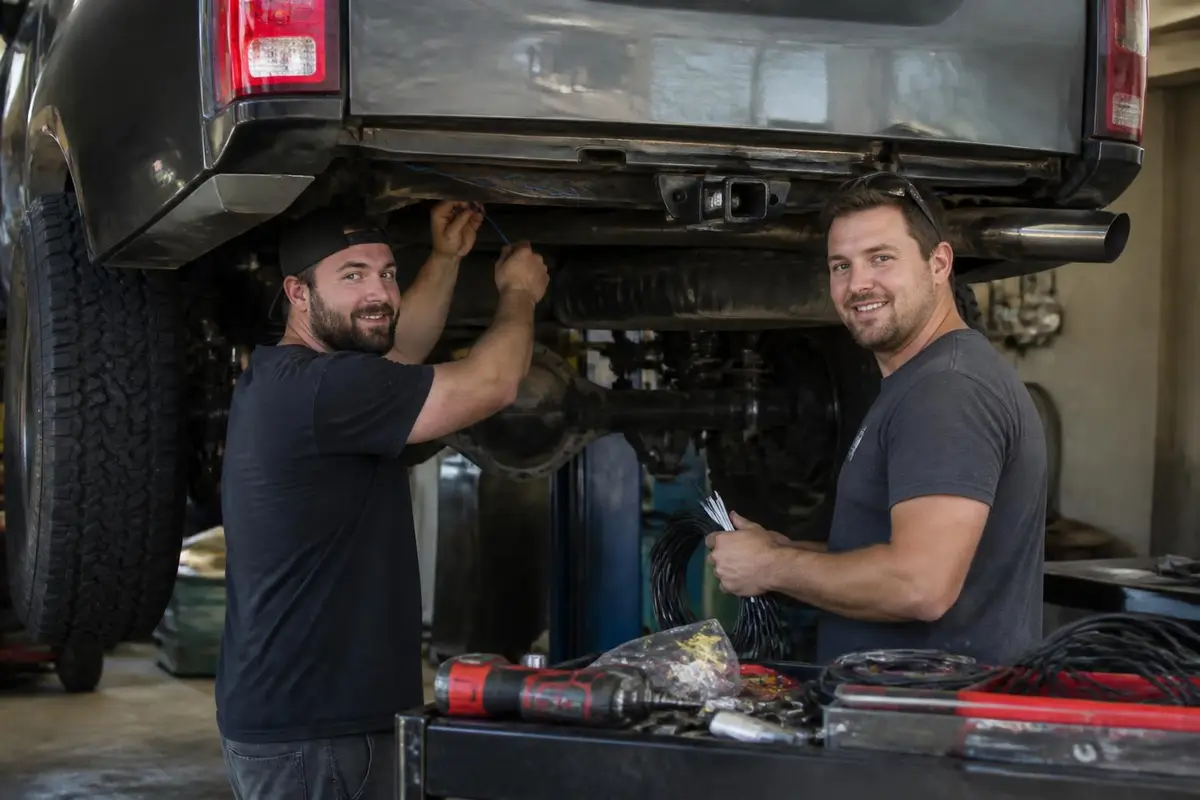
The core differential swap — opening the axle housing and fitting the locker unit — is broadly comparable labor between the two. Where they diverge is the actuation infrastructure: ARB's Air Locker requires an onboard compressor (which an owner already running one for tire inflation may see as a natural dual-use investment) and air line routing to the axle. Eaton's ELocker requires running an electrical circuit and dash switch instead, generally a more familiar wiring job for a shop already doing other 12V accessory installs on the vehicle.
Actual Specs, Side by Side
Beyond the general "air vs electric" framing, each brand publishes concrete operating figures that are worth comparing directly rather than assuming they match. ARB's own installation guide requires a minimum of 85 PSI (586 kPa) from any alternate air source, and ARB states the Air Locker's actuation mechanism can switch states at any vehicle speed. Eaton's ELocker runs on the vehicle's 12V electrical system, with its own wiring schematic rating the coil at up to 10.7A maximum continuous current — and Eaton's engagement guidance is notably more conservative than ARB's: engage only stopped or under 3 mph with minimal wheel slip, and don't sustain engagement above 20 mph, since Eaton's instructions warn that engaging faster or against a spinning wheel can damage the engagement pins or lock collar.
| Spec | ARB Air Locker | Eaton ELocker |
|---|---|---|
| Power source | Compressed air, 85 PSI minimum | 12V electrical, up to 10.7A |
| Engagement speed guidance | Any vehicle speed | Stopped or under 3 mph; don't sustain above 20 mph |
| Published construction | 2-piece nodular steel housing, 4 forged pinion gears | Precision-forged (net-forged) gears, nodular-iron housing |
| Warranty | 5 years (ARB) | Not published alongside the spec sheet |
The Onboard Air Dual-Use Case for ARB
An owner already planning or running an onboard air compressor for airing tires up and down gets a genuine secondary use out of that same compressor with an ARB Air Locker, since both draw from the same air system. An owner with no plans for onboard air may find Eaton's electronic actuation the simpler overall addition, since it doesn't require justifying a compressor purchase specifically for the locker.
Application Coverage: Both Broad, Slightly Different Platforms
ARB's Air Locker application guide spans axle families including Dana 44, Dana 30 and Toyota 8-inch differentials. Eaton's ELocker guide covers specific vehicle platforms including Jeep JL/JT, several Toyota models, and newer Ford Bronco and Ranger applications. Both companies publish detailed, axle- and vehicle-specific application guides — checking each against your exact truck and axle is the way to confirm availability, since coverage between the two brands doesn't perfectly overlap on every platform.
Gear Construction: Both Brands Publish a Specific Claim
Eaton specifically highlights net-forged gears as a strength and durability feature of the ELocker line in its own marketing. ARB makes its own equivalent claim for the Air Locker: a two-piece nodular steel housing with four forged and hardened pinion gears, plus high-temperature-resistant seals for the air-actuation system. Neither company publishes a numeric strength percentage alongside the claim, but both are describing the same underlying idea — forged rather than cast or machined-only gears — and both are long-established manufacturers with extensive off-road industry track records.
Jeep, Toyota and Ford are trademarks of their respective owners. 4x4 & Overlanding is an independent publication and is not affiliated with, sponsored or endorsed by any vehicle manufacturer.

The Verdict: Which Should You Buy
Choose the ARB Air Locker if you already run, or plan to run, onboard air for tire inflation and want to get double use from that system. Choose the Eaton ELocker if you'd rather avoid air line plumbing entirely and prefer a simpler electrical dash-switch installation. Both are genuine full-locking differentials with extensive, well-established application coverage — see our individual ARB Air Locker review and Eaton ELocker review for the full detail behind each brand's claims.
Sources
- ARB — Air Locker — ARB's air-actuation method, application coverage, construction claims and any-vehicle-speed actuation.
- Eaton — ELocker Selectable, Electronic Locking Differential — Eaton's electronic dash-switch actuation method, application coverage and net-forged gear claim.
- ARB — Air Locker Installation Guide RD116 (Dana 44, 30 Spline, 3.92 & Up) — Minimum 85 PSI required from an alternate air source.
- Eaton — ELocker Differential Operating & Installation Instructions — Engage only stationary or at 3 mph or less with minimal wheel slip; don't sustain engagement above 20 mph.
- Eaton — ELocker Wiring Installation Kit Schematic — 12V system, up to 10.7A maximum continuous current draw.