
Affiliate disclosure: As an Amazon Associate, we earn from qualifying purchases, at no extra cost to you. We research rather than test, and commissions never change our rankings. This site is reader-supported: those commissions pay for hosting, research and keeping every guide up to date, so if a guide helped you, buying through our links is an easy way to support it. How we rank · Full disclosure
TL;DR
Axle wrap is the axle housing briefly rotating within its leaf springs under high torque — hard acceleration or heavy braking — creating a harsh, jarring feel and, in severe cases, a momentary loss of traction, and it's addressed with traction bars, a leaf-spring upgrade, or a switch to coil/link suspension.
What Actually Causes Axle Wrap
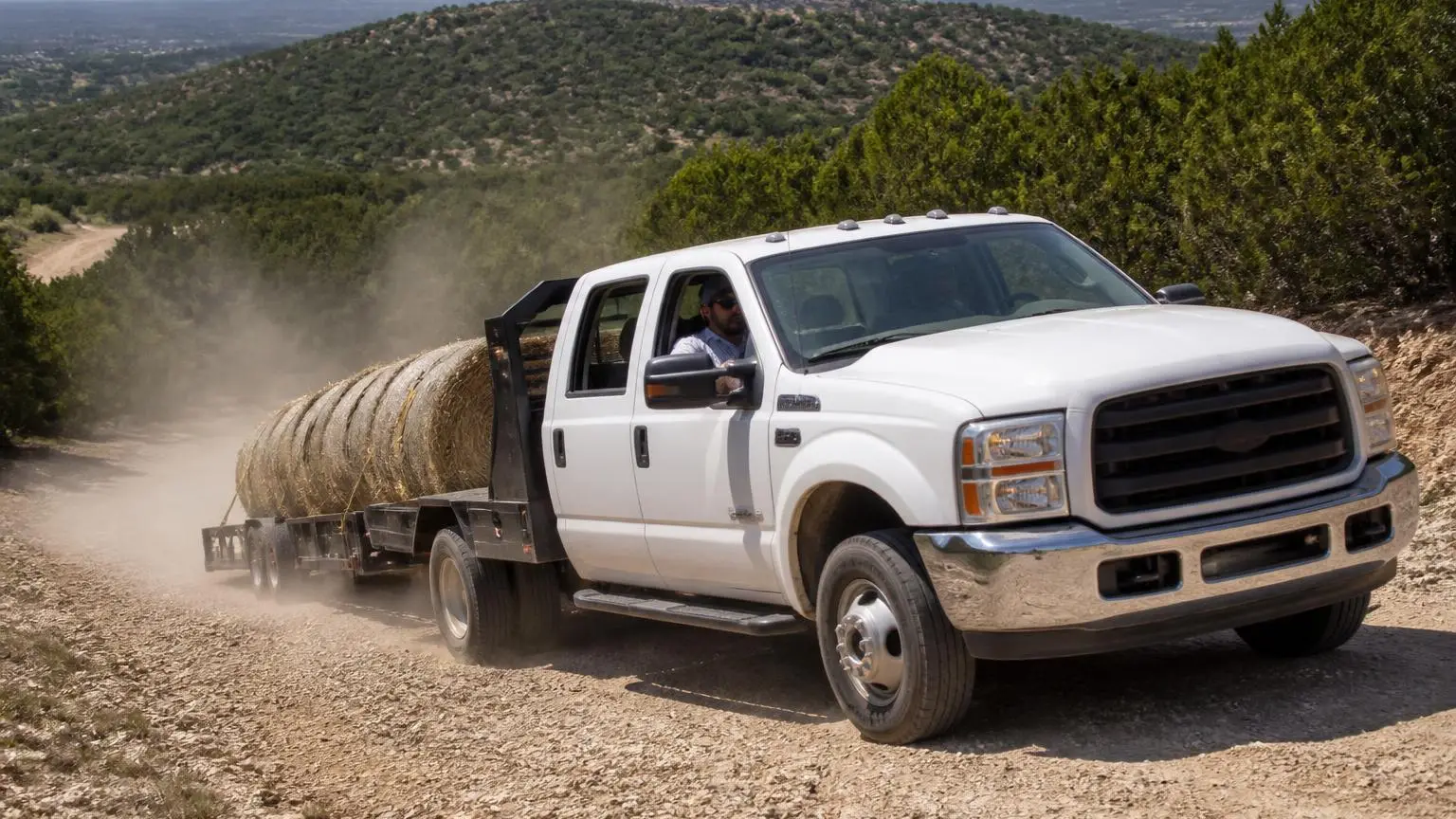
A leaf spring both supports the vehicle's weight and locates the axle's position — it's doing two jobs at once. Under high torque, particularly a hard launch or aggressive braking, the axle housing can rotate slightly within the spring's flex rather than staying perfectly positioned, since the spring itself isn't rigid enough to fully resist that rotational force. This rotation, and the sudden release back to normal position, is what produces the characteristic clunk or shudder owners describe as axle wrap.
When Axle Wrap Actually Shows Up
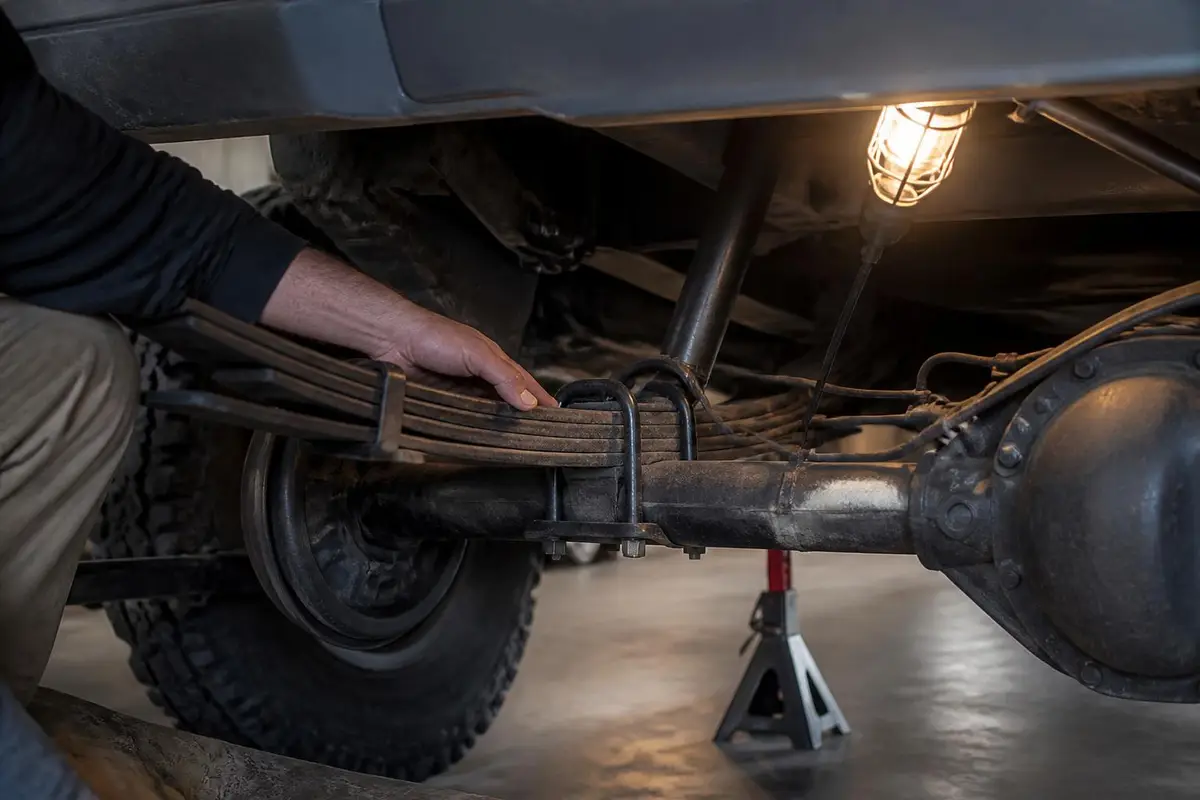
Higher-horsepower builds and vehicles with more aggressive tires (more grip means more torque actually transfers to the axle instead of the tire spinning) both make axle wrap more likely and more severe when it occurs. It shows up most commonly under hard acceleration from a stop and under heavy, high-torque braking, both moments where peak torque briefly spikes well above normal cruising levels.
Why Coil and Link Suspensions Mostly Avoid This
Coil-spring and link-suspended axles use separate control arms specifically to locate the axle, with the springs handling only the weight-support job — this division of labor is why coil/link setups largely avoid axle wrap even under high torque (see FAQ). The Jeep Wrangler, for instance, runs solid front and rear axles located by control arms rather than leaf springs (Jeep's own capability materials describe the "solid front and rear axles" but not a leaf-spring mounting), which is one reason axle wrap isn't a Wrangler-specific complaint the way it is on leaf-sprung trucks. This is one of the genuine mechanical advantages coil/link suspension holds over leaf springs for a high-power build, alongside generally smoother ride quality.
How a Traction Bar Actually Resists Wrap
A traction bar is a rigid arm bolted from a forward point on the frame to a mounting point on the axle housing, running roughly parallel to the leaf spring. When the axle tries to rotate under torque, that rotation would otherwise pull the axle-side mounting point through an arc; the traction bar, being rigid and pinned at both ends, resists that arc directly, converting the rotational force into a straight push-pull load the bar and its frame mount absorb instead of the spring. This is why a traction bar controls wrap without stopping the spring's normal up-and-down compression — the bar only fights rotation, not vertical travel.
Common Fixes for a Leaf-Sprung Vehicle
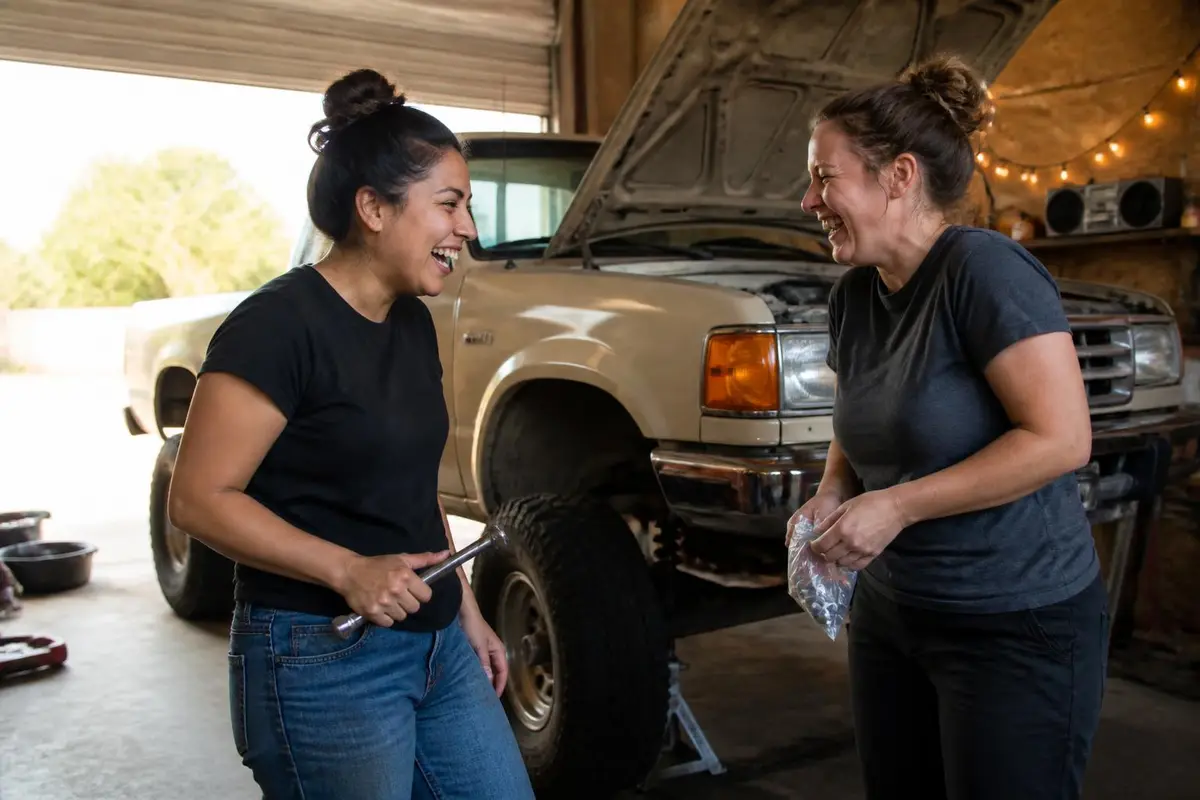
Traction bars are the widely used, moderate-cost fix for leaf-sprung trucks (see above). Upgrading to stiffer leaf springs, or add-a-leaf kits, adds resistance to axle rotation as a side effect of increased overall spring stiffness, though this also firms up ride quality as a tradeoff. Upgraded axle shafts don't fix wrap itself, but they raise the load the shafts survive if wrap does occur — Currie Enterprises publishes tensile-strength figures for common materials: 1040 steel (OEM stock) at 120,000 psi versus 4340 chromoly at 228,000 psi, about 90% stronger; Spicer uses the same SAE-4340 nickel-chromoly grade in its own axle shaft products for exactly this reason. For a build that experiences axle wrap severely and regularly, converting to a link/coil suspension is the more thorough, though significantly more expensive, fix.
Is Axle Wrap Actually a Problem Worth Fixing?
Mild, occasional axle wrap under hard acceleration is a known characteristic of leaf-sprung, higher-torque vehicles and doesn't necessarily indicate a fault needing immediate attention for light, infrequent driving. Severe or frequent axle wrap, however, genuinely stresses u-joints, driveshaft components and the leaf springs themselves (see FAQ), and is worth addressing with a traction bar or spring upgrade before it accelerates wear on those connected components — u-joints have a real, published torque limit (Spicer rates its SPL 1350-series u-joint at 3,000 Nm and the larger 1410-series at 3,600 Nm), and repeated shock loading from axle wrap is exactly the kind of abnormal stress that can exceed it over time.
Diagnosing Axle Wrap vs Other Drivetrain Clunks
Axle wrap specifically correlates with hard acceleration or heavy braking events and tends to feel like a rotational shudder rather than a single sharp clunk. This is a useful distinction from a worn u-joint's clunk on gear changes or a loose driveshaft bolt's rattle at steady speed. Confirming the specific trigger (hard throttle, hard braking) before assuming a diagnosis avoids chasing the wrong fix, since traction bars solve axle wrap specifically but do nothing for a worn u-joint or a loose fastener elsewhere in the driveline. A visual inspection of the leaf springs and u-joints, done before assuming the more expensive fix, is a reasonable first troubleshooting step either way for any owner unsure which issue they're actually dealing with.
Related Reading
See 4WD drivetrain systems for how axle wrap fits into the broader picture of drivetrain systems, and suspension and lift kits for how leaf-spring versus coil/link suspension choice affects a build beyond this specific issue.
Recommended gear
Lockers and hubs for your drivetrain
Affiliate disclosure: As an Amazon Associate, we earn from qualifying purchases, at no extra cost to you. Purchases through these links help keep this site running and up to date. Learn more
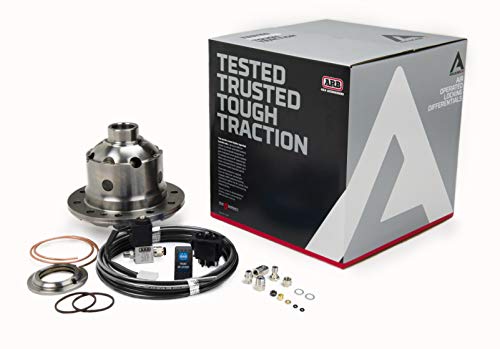
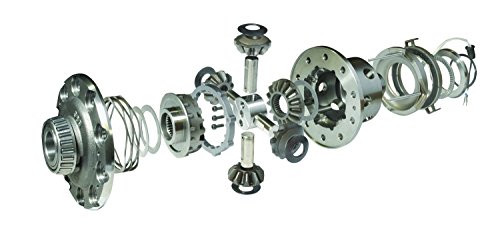
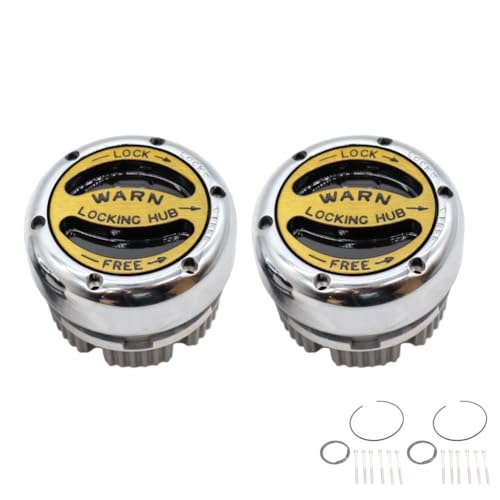
We research products from manufacturer specs and owner feedback; we don't test them ourselves. How we choose.
Sources
- Currie Enterprises — Understanding Axle Wrap and Traction Bars — General reference on axle wrap (pinion rotation under hard acceleration/braking on leaf-spring solid-axle setups) and traction-bar/anti-wrap-bar mitigation, from an established axle and driveline manufacturer.
- Currie Enterprises — Axle Size/Strength Chart — Tensile strength by axle-shaft material: 1040 steel (OEM stock) 120,000 psi vs 4340 chromoly 228,000 psi (about 90% stronger).
- Spicer — Ultimate Dana 44 AdvanTEK Front Axle for the Jeep Wrangler JL — U-joint torque ratings of 3,000 Nm (1350 series) and 3,600 Nm (1410 series), cited as the kind of published limit axle wrap's shock loading can stress.
- Jeep — Wrangler Capability — Wrangler's solid front and rear axles, used as an example of a control-arm-located (non-leaf-spring) solid axle.
- Spicer (Dana) — AdvanTEK Axle Technology — SAE-4340 nickel-chromoly as the material grade used in Spicer's own upgraded axle shafts.