
Affiliate disclosure: As an Amazon Associate, we earn from qualifying purchases, at no extra cost to you. We research rather than test, and commissions never change our rankings. This site is reader-supported: those commissions pay for hosting, research and keeping every guide up to date, so if a guide helped you, buying through our links is an easy way to support it. How we rank · Full disclosure
TL;DR
- A skid plate is a steel or aluminum panel that shields the oil pan, front differential, transmission, transfer case and fuel tank from rocks and ledges.
- Plates are sold by zone; the engine and transfer case plates are the usual first purchase.
- Some off-road trims ship with real plates: Ford lists steel bash plates on the Bronco Badlands, Heritage, Stroppe and Raptor.
- Aluminum is lighter. Rock Hard 4x4 lists 145 lb for a 1/4-inch aluminum Bronco system against 213 lb for its 3/16-inch steel one.
- Look for recessed bolts, an oil-change access door and bolt-on fitment that matches your bumper and lift.
At a Glance
| If your truck… | What to look at |
|---|---|
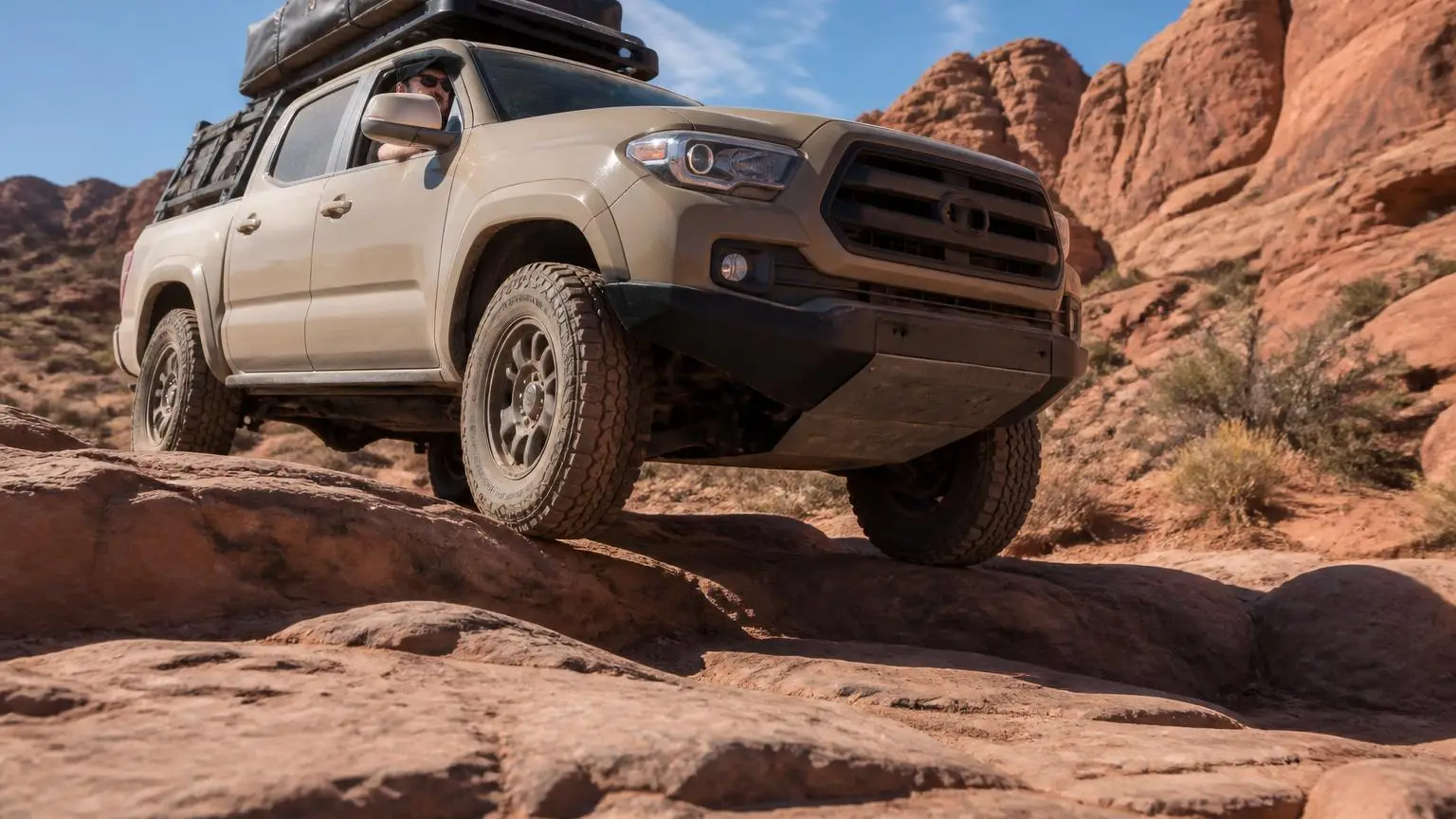
| Mostly sees pavement and graded dirt roads | The factory shields are usually enough |
| Is an off-road trim (Badlands, ZR2, Bison and similar) | Check what the factory plates already cover before buying more |
| Crawls rocks and ledges often | Steel plates, starting with the engine and transfer case |
| Is close to its payload limit | Aluminum plates, which weigh less for the same coverage |
What a Skid Plate Protects
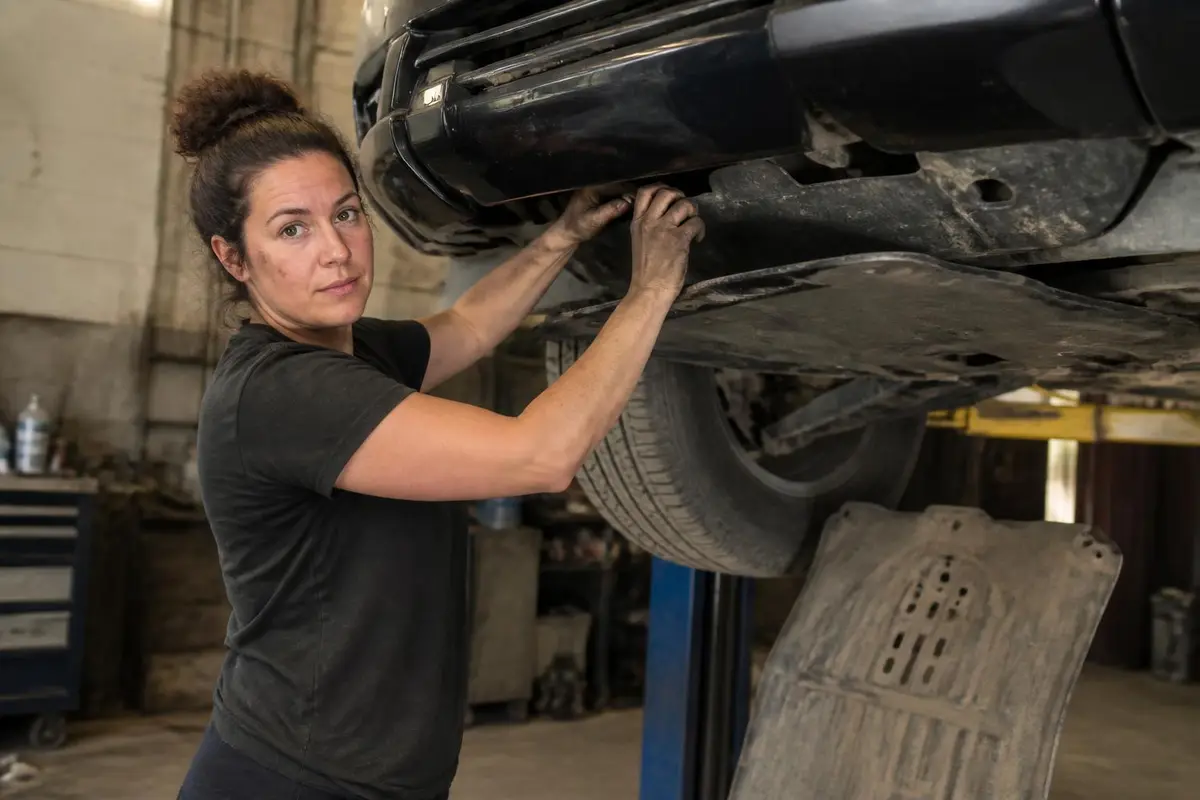
Underbody armor is usually sold as separate zones rather than one sheet, because parts of the chassis sit at different heights and come off for service at different times. Two published examples show the typical split:
| Product | Zones covered, per the maker |
|---|---|
| ARB Under Vehicle Protection, 2010–2023 4Runner and 2007–2014 FJ Cruiser (5421100) | Steering, oil pan, transmission and transfer case |
| Rock Hard 4x4 belly-pan system, 2021+ Bronco 4-door | Front lower bash plate, oil pan/transmission, transfer case, resonator, fuel tank, optional muffler |
The engine or front plate takes most hits, because it's the first thing to reach a ledge. The transfer case plate is the other common first purchase, since the transfer case sits low in the middle of the truck where it can land on a rock after the front wheels have cleared it.
Factory Shields vs Real Skid Plates
Most trucks have something under the engine, and that confuses buyers. On many models it's a light shield or a plastic splash guard. It keeps road spray, gravel and brush off the components, but it isn't built to carry the truck's weight landing on a rock. If you see thin, flexible panels with lots of vents, that is splash protection, not armor.
Off-road trims are the exception, and some now ship with metal plates from the factory:
| Vehicle | Factory underbody protection, per the maker |
|---|---|
| Ford Bronco (2026) | Steel bash plates standard on Heritage Edition, Badlands, Stroppe Edition and Raptor; included in the Black Diamond Package |
| Chevrolet Silverado 1500 Custom Trail Boss (2026) | Skid plates, with the Z71 Off-Road Package |
| Chevrolet Silverado 1500 ZR2 (2026) | Large underbody aluminum skid plates |
| Chevrolet Colorado Trail Boss (2026) | Transfer case shield |
| Chevrolet Colorado ZR2 Bison (2026) | Five boron steel skid plates |
Check your own truck's equipment list before buying. A trim that already has a steel engine plate may only need a transfer case or fuel tank plate.
Steel vs Aluminum: Thickness and Weight
The two materials do the same job with different trade-offs, and aluminum plates are usually cut thicker than steel ones, as these published sizes show:
| Plate | Thickness | Published example |
|---|---|---|
| 3 mm pressed and folded steel | 0.12 in | ARB Under Vehicle Protection |
| 3/16-inch steel | 0.1875 in (4.8 mm) | Rock Hard 4x4 steel Bronco system: 213 lb complete |
| 1/4-inch aluminum | 0.25 in (6.35 mm) | Rock Hard 4x4 aluminum Bronco system: 145 lb complete |
The Rock Hard figures come from two listings for different front-bumper setups, so treat the gap (about 68 lb, or roughly a third) as a guide rather than an exact comparison. It lines up with the U.S. Department of Energy's figure that aluminum alloys can cut the mass of vehicle components by 30–60% compared with conventional materials.
- Steel resists denting and is the common choice for rigs that land on rock often. The cost is weight, which comes out of the payload on your door-jamb label.
- Aluminum saves weight and doesn't rust. Owners report it gouges more readily on sharp rock, which can make it grab rather than slide.
ARB says its plates are pressed and folded from laser-cut steel, which it says is stronger than folded steel alone, then zinc-plated and powder coated against corrosion.
Design Details That Separate Good Plates From Bad
- Flat undersides with recessed bolt heads, so the plate slides instead of snagging. ARB says its mounting bolts are recessed and protected.
- Service access for the oil filter and drain plug. Rock Hard 4x4's Bronco oil pan and transmission skid has an oil-change access door, so the plate doesn't have to come off for every oil change.
- Bolt-on fitment to factory mounting points. Rock Hard 4x4 lists its Bronco system as 100% bolt-on with no changes to the factory crossmembers.
- Compatibility with your lift, bumper and exhaust. Rock Hard sells separate Bronco systems for steel and plastic front bumpers and for trucks with or without the factory fuel tank skid, so check the listing matches your build.
Do You Need Skid Plates?
Ask what the underside of your truck is likely to meet. For pavement, graded forest roads and washboard, factory shields are usually enough. For rocky two-tracks, dry streambeds and ledges, an engine plate and a transfer case plate are the pieces most owners add first, since those parts sit low and are expensive to repair. A lift and bigger tires raise the truck, but owners with lifted trucks also tend to attempt harder lines, which is often when they add armor.

Where to Go Next
To compare products, see our best skid plates roundup or our research review of RCI skid plates and rock sliders. Plates protect the belly but not the rocker panels, so if the sides of the truck are also at risk, read are rock sliders worth it. The bumpers, skid plates and rock sliders hub covers how the three kinds of armor fit together.
How We Research This Guide
This guide is built from manufacturer documentation (ARB, Rock Hard 4x4, Ford and Chevrolet) and U.S. Department of Energy material data. We don't buy, install or trail-test armor ourselves. See how we rank.
Toyota, 4Runner, FJ Cruiser, Ford, Bronco, Chevrolet, Silverado and Colorado are trademarks of their respective owners. 4x4 & Overlanding is an independent publication and is not affiliated with, sponsored or endorsed by any vehicle manufacturer.
Recommended gear
Winching and recovery gear
Affiliate disclosure: As an Amazon Associate, we earn from qualifying purchases, at no extra cost to you. Purchases through these links help keep this site running and up to date. Learn more

Best for solo self-recovery on steep or muddy trails.
- 12V winch with a 10,000 lb rated pull.
- Sized for full-size trucks and SUVs.
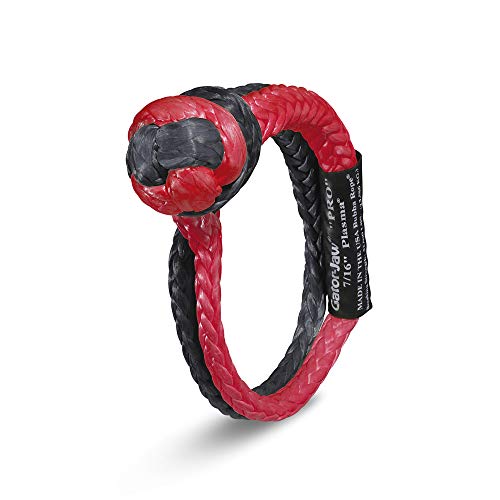
Best for a lighter alternative to steel shackles.
- 7/16 in synthetic soft shackle, 52,300 lb listed breaking strength.
- Lighter than a steel shackle and won't become a projectile.
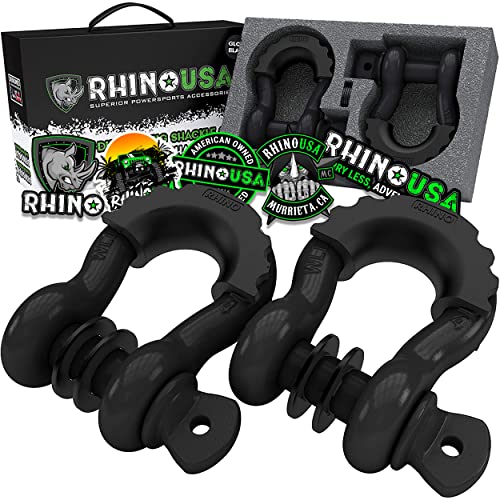
Best for rated connection points for straps and ropes.
- 3/4 in D-ring shackles, 41,850 lb listed break strength (2-pack).
- Connect straps to rated recovery points.

Best for vehicle-to-vehicle snatch recoveries.
- 1 in x 30 ft kinetic rope that stretches to ease a stuck vehicle out.
- Gentler on recovery points than a static tow strap.
We research products from manufacturer specs and owner feedback; we don't test them ourselves. How we choose.
Sources
- ARB USA — Under Vehicle Protection 5421100 (4Runner / FJ Cruiser) — Fitment to 2010–2023 4Runner and 2007–2014 FJ Cruiser; protects steering, oil pan, transmission and transfer case; pressed and folded 3 mm laser-cut steel, zinc-plated and powder coated; recessed mounting bolts that are easy to remove for servicing.
- Rock Hard 4x4 — Steel Bellypan Skid Plate System, 2021+ Bronco 4-Door (RH-60506) — 3/16-inch steel system weighing 213 lb; zones covered (front bash, oil pan/transmission, transfer case, resonator, fuel tank, optional muffler); oil-change access door; 100% bolt-on with no changes to factory crossmembers.
- Rock Hard 4x4 — Aluminum Bellypan Skid Plate System, 2021+ Bronco 4-Door (RH-60543) — 1/4-inch aluminum system weighing 145 lb, for trucks with the factory fuel skid and plastic front bumper; zones covered.
- U.S. Department of Energy — Lightweight Materials for Cars and Trucks — Aluminum alloys can reduce component mass by 30–60% compared with conventional materials.
- Ford — 2026 Bronco Technical Specifications (PDF) — Steel bash plates standard on Heritage Edition, Badlands, Stroppe Edition and Raptor, and included in the Black Diamond Package.
- Chevrolet — 2026 Silverado 1500 — Custom Trail Boss skid plates with the Z71 Off-Road Package; ZR2 large underbody aluminum skid plates.
- Chevrolet — 2026 Colorado — Colorado Trail Boss transfer case shield; Colorado ZR2 Bison five boron steel skid plates.