

Affiliate disclosure: As an Amazon Associate, we earn from qualifying purchases, at no extra cost to you. We research rather than test, and commissions never change our rankings. This site is reader-supported: those commissions pay for hosting, research and keeping every guide up to date, so if a guide helped you, buying through our links is an easy way to support it. How we rank · Full disclosure
TL;DR
- A hitch mount winch sits on a cradle that pins into a receiver, so one winch can serve the front and rear, or several vehicles.
- WARN's Multi-Mount cradles carry winches up to 10,000 lb (2-in receiver) or 14,000 lb (2.5-in receiver).
- The receiver is part of the load path: CURT rates its front hitches at 9,000 lb straight-line pull, and capacity is limited to the lowest-rated part.
- By WARN's 1.5 × GVWR rule, a 5,600-lb Tacoma needs 8,400 lb of winch, which fits; a 9,900-lb Silverado 2500 needs 14,850 lb, which doesn't.
- For a 2-in receiver, use a 5/8-in pin at least 3 in long (CURT), and wire a power lead at each end.
How a Hitch Mount Winch Works
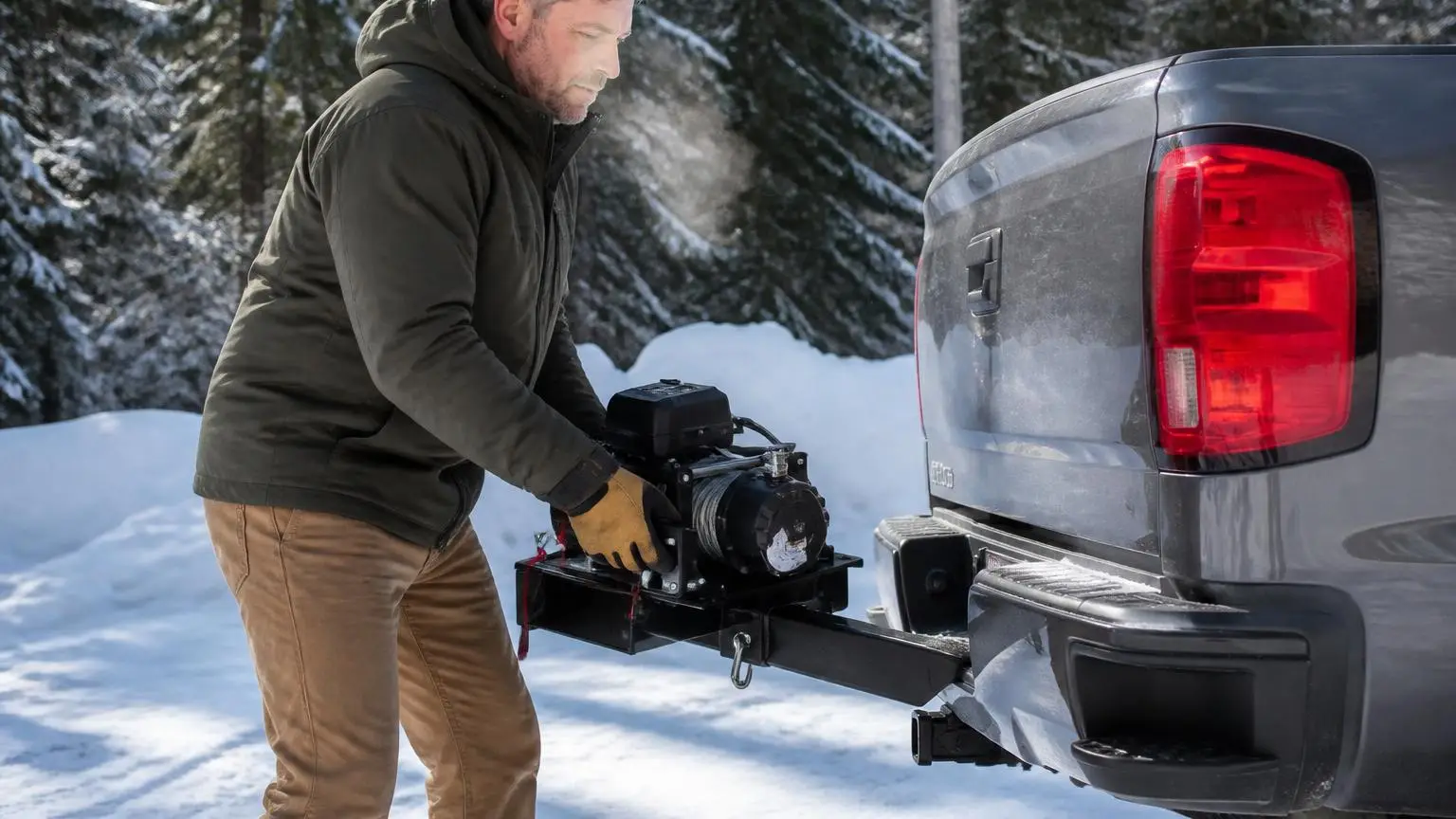
The winch itself works the same as any other: motor, gear train, drum, brake, fairlead and remote. What changes is the mount. WARN's Multi-Mount system is a typical design. The winch bolts to a powder-coated steel cradle with a receiver tongue, and the cradle slides into the receiver and is pinned. WARN sells two sizes:
| WARN cradle | Receiver size | Winch capacity it carries | Wiring |
|---|---|---|---|
| Multi-Mount Winch Cradle Kit 2.0 | 2 in | Mid-frame winches up to 10,000 lb | Not listed as included |
| Multi-Mount Winch Cradle Kit 2.5 | 2.5 in | Mid-frame winches up to 14,000 lb | Quick Connect cables for the vehicle front and the winch |
Complete kits exist too. WARN's ZEON 10-S Multi-Mount Portable Winch Kit pairs a 10,000 lb winch with synthetic rope, a hawse fairlead, a carrier of 3/16-inch steel with carrying handles and stabilizing feet, a hitch pin, and a 7.5-ft power lead with a Quick Connect plug.
The Receiver Sets the Real Limit
Receivers are rated for towing, and CURT's hitch classes show how far those ratings range:
| Hitch class | Receiver | Gross trailer weight | Tongue weight |
|---|---|---|---|
| Class 3 | 2 in | Up to 8,000 lb | Up to 800 lb |
| Class 4 | 2 in | Up to 10,000 lb | Up to 1,000 lb |
| Class 5 Xtra Duty | 2 in | 16,000–17,000 lb | 2,400–2,550 lb |
| Class 5 Commercial Duty | 2.5 in | 18,000–20,000 lb | 2,700 lb |
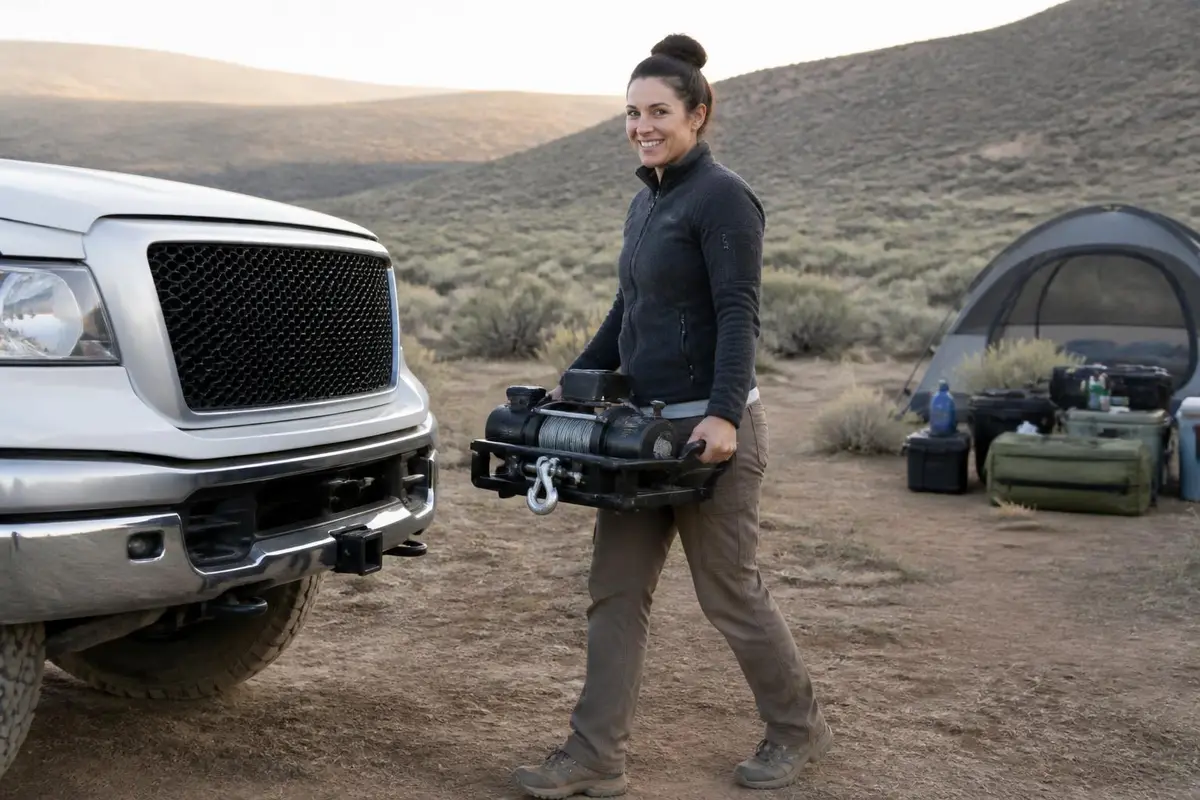
Front receivers are rated differently. CURT gives every front hitch a straight-line pull rating of 9,000 lb for a tow hook or winch mount. Its 2-inch front receiver for the 2004–2008 F-150, for example, is rated at 9,000 lb straight-line pull, 5,000 lb gross trailer weight and 500 lb tongue weight, and weighs 37 lb. CURT's rule for every setup is that capacity is limited to the lowest-rated component. For a hitch-mounted winch, that means the lowest of the winch, the cradle, the receiver, the pin and the vehicle's recovery rating. Note that the rating is for a straight-line pull. WARN's own advice is to pull as straight ahead as possible and use a snatch block to redirect an angled pull.
Sizing a Hitch Mount Setup: Two Worked Examples
WARN's sizing rule is GVWR × 1.5 as the minimum winch rating. Run WARN's own two examples against the hardware above:
| Vehicle (WARN example) | GVWR | Minimum winch | Fits a 2-in cradle (10,000 lb)? | Within a 9,000 lb front receiver? |
|---|---|---|---|---|
| 2016 Toyota Tacoma | 5,600 lb | 8,400 lb | Yes | Yes |
| Chevrolet Silverado 2500 | 9,900 lb | 14,850 lb | No (above 10,000 lb and the 2.5-in cradle's 14,000 lb) | No |
A hitch mount works best on lighter trucks and SUVs, where the minimum winch size sits comfortably under the receiver's rating. On a heavy-duty truck, the winch the GVWR calls for is bigger than common receiver hardware is rated to hold. There, a winch-ready bumper bolted to the frame is the usual answer.
Power and Wiring at Each End
A winch needs a heavy power feed at whichever end it's mounted. WARN recommends a fully charged battery of at least 650 cold cranking amps for peak performance, and its Multi-Mount kits use Quick Connect plugs so one winch can plug into a lead at the front or the rear. Mounting at the rear means running a heavy cable the length of the vehicle, so the cable size has to suit that longer run. WARN also says the rope must wind off the bottom of the drum, or the automatic load-holding brake won't work. Mount the winch so it pays out that way from either end.
Pins, Setup and Storage
For a 2-inch receiver, CURT specifies a 5/8-inch pin at least 3 inches long. The pin carries the recovery load, so use a rated hitch pin and clip. Because the winch comes off between uses, there's a setup step before each recovery: slide in the cradle, pin it, connect the power lead and, if the remote is wireless, pair it. That winch comes out of storage rather than living on the bumper. WARN notes its kits include carrying handles and stabilizing feet so the unit can be moved and set down.
Who a Hitch Mount Winch Fits
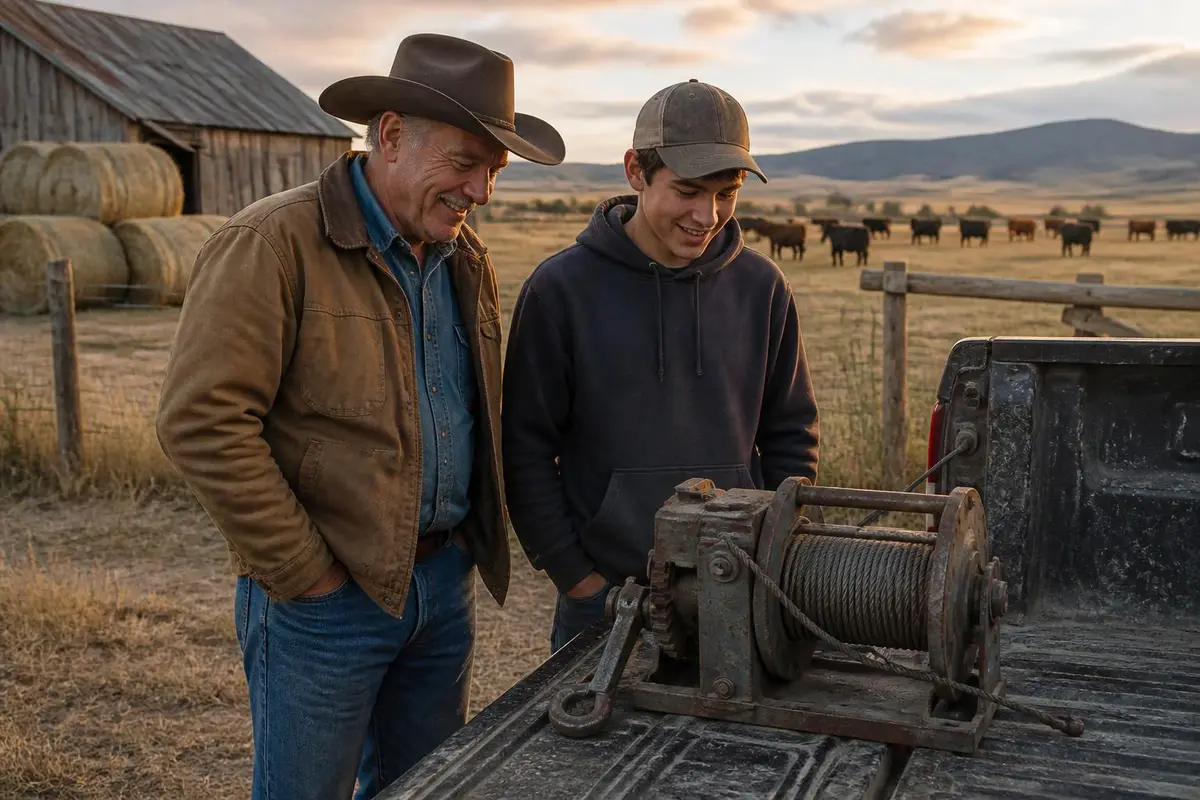
This style fits an owner with a light to mid-size vehicle who wants one winch usable from either end, or shared between vehicles with the same receiver size, and who doesn't want to carry a winch's weight every day. It fits poorly on a heavy truck whose GVWR calls for more winch than a receiver is rated for, and for anyone who needs the winch ready instantly. For how a winch works, see what is a winch. For sizing by vehicle, see what size winch do I need.
How We Research This
This explainer is built from WARN's Multi-Mount product pages and winching guide and CURT's hitch-class and front-hitch ratings. We haven't mounted or used these products ourselves. See how we rank.
Recommended gear
Core recovery gear
Affiliate disclosure: As an Amazon Associate, we earn from qualifying purchases, at no extra cost to you. Purchases through these links help keep this site running and up to date. Learn more

Best for a complete strap, shackle and glove kit in one bag.
- Straps, shackles, gloves, damper and a recovery bag in one kit.
- Covers most vehicle-to-vehicle recoveries without buying parts separately.

Best for getting unstuck from sand, mud or snow without another vehicle.
- Nylon recovery boards that give spinning tires grip in sand, mud or snow.
- Double as a shovel to clear sand from in front of the tires.

Best for vehicle-to-vehicle snatch recoveries.
- 1 in x 30 ft kinetic rope that stretches to ease a stuck vehicle out.
- Gentler on recovery points than a static tow strap.
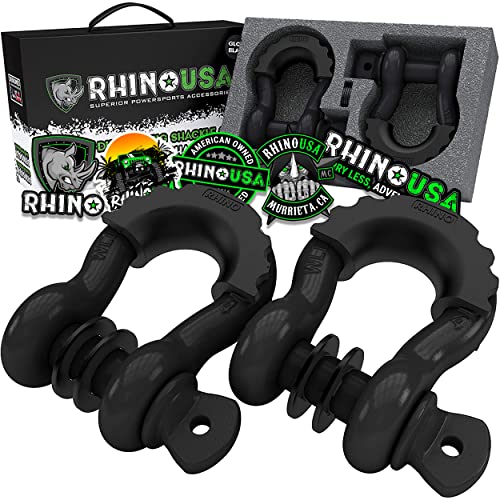
Best for rated connection points for straps and ropes.
- 3/4 in D-ring shackles, 41,850 lb listed break strength (2-pack).
- Connect straps to rated recovery points.
We research products from manufacturer specs and owner feedback; we don't test them ourselves. How we choose.
Sources
- WARN — Multi-Mount Winch Cradle Kit 2.0 — Cradle for 2-in receivers carrying WARN mid-frame winches up to 10,000 lb; powder-coated steel.
- WARN — Multi-Mount Winch Cradle Kit 2.5 — Cradle for 2.5-in receivers carrying mid-frame winches up to 14,000 lb, with Quick Connect cables for the vehicle front and winch.
- WARN — ZEON 10-S Multi-Mount Portable Winch Kit — 10,000 lb winch kit for a 2-in receiver: 3/16-in steel carrier with handles and stabilizing feet, hitch pin, 7.5-ft power lead with Quick Connect plug.
- WARN — Portable Winches Let You Go Prepared on the Go — Multi-Mount cradle fits a standard 2-in Class III receiver and lets a winch move from the front of a vehicle to the rear.
- CURT Manufacturing — Types of Trailer Hitches and Hitch Classes — Class 3–5 receiver sizes and gross trailer and tongue weight ratings; capacity is limited to the lowest-rated component; front hitches used for winch mounts.
- CURT Manufacturing — Front Hitch Receivers — Every CURT front hitch carries a 9,000 lb straight-line pull rating for a tow hook or winch mount.
- CURT Manufacturing — 2" Front Receiver Hitch #31352 — Example front receiver: 9,000 lb straight-line pull, 5,000 lb gross trailer weight, 500 lb tongue weight, 37 lb.
- CURT Manufacturing — The Complete Guide to 2" Receiver Hitches — A 2-in receiver takes a 5/8-in pin at least 3 in long.
- WARN — Determine the Right Winch Capacity for Your Truck or SUV — Minimum winch line pull = GVWR × 1.5, using GVWR rather than curb weight; worked examples for a 2016 Tacoma (5,600 lb → 8,400 lb) and a Silverado 2500 (9,900 lb → 14,850 lb); going above the minimum is fine.
- WARN — Basic Guide to Winching — Maximum pull on the first layer; snatch block doubles the line and increases pull; 5/10 minimum wraps; 650 CCA battery; rope must wind off the bottom of the drum; pull straight ahead; damper midway; leather gloves; idling engine may not keep the battery charged; motor heat on long pulls.