
Affiliate disclosure: As an Amazon Associate, we earn from qualifying purchases, at no extra cost to you. We research rather than test, and commissions never change our rankings. This site is reader-supported: those commissions pay for hosting, research and keeping every guide up to date, so if a guide helped you, buying through our links is an easy way to support it. How we rank · Full disclosure
AWD and 4WD both route power to more than one axle, which is a real acceleration-traction advantage over a 2WD vehicle on snow. Consumer Reports' own testing found neither system meaningfully improves braking distance or cornering grip on snow and ice compared with a well-tired 2WD vehicle — that's tire compound and tread doing the work, not the drivetrain.
What AWD and 4WD Actually Change
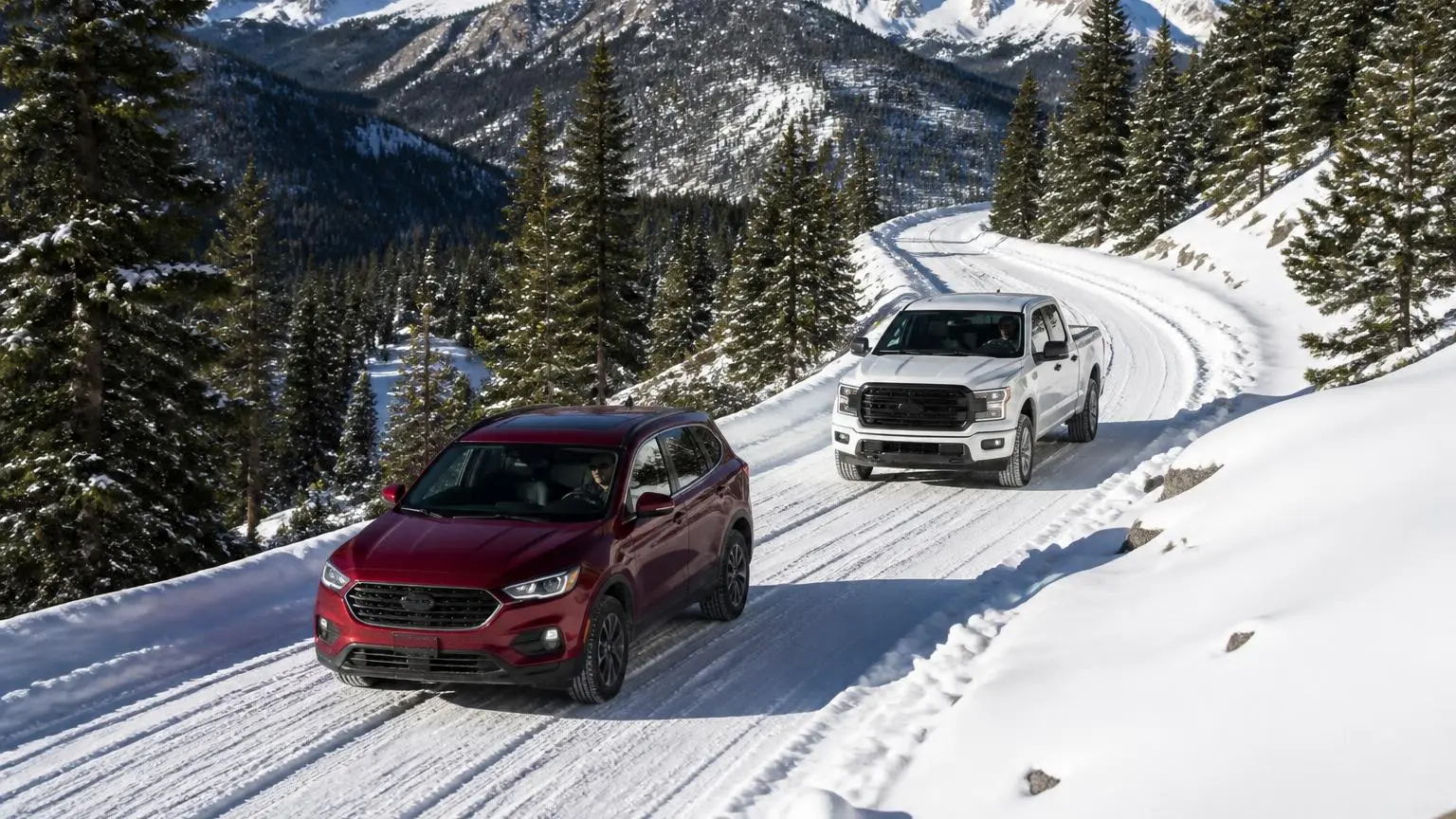
Both systems route power to more than one axle, which helps a vehicle accelerate from a stop or maintain forward motion on a snow-covered surface better than a 2WD vehicle can. Neither system changes how well the tires grip the road once you're trying to stop or turn — that's determined by tire compound and tread design, not by how many wheels are receiving engine power. Consumer Reports testing has repeatedly found that all-wheel and four-wheel drive don't meaningfully aid braking or some cornering scenarios compared with a well-tired 2WD vehicle.
How AWD and 4WD Systems Actually Differ
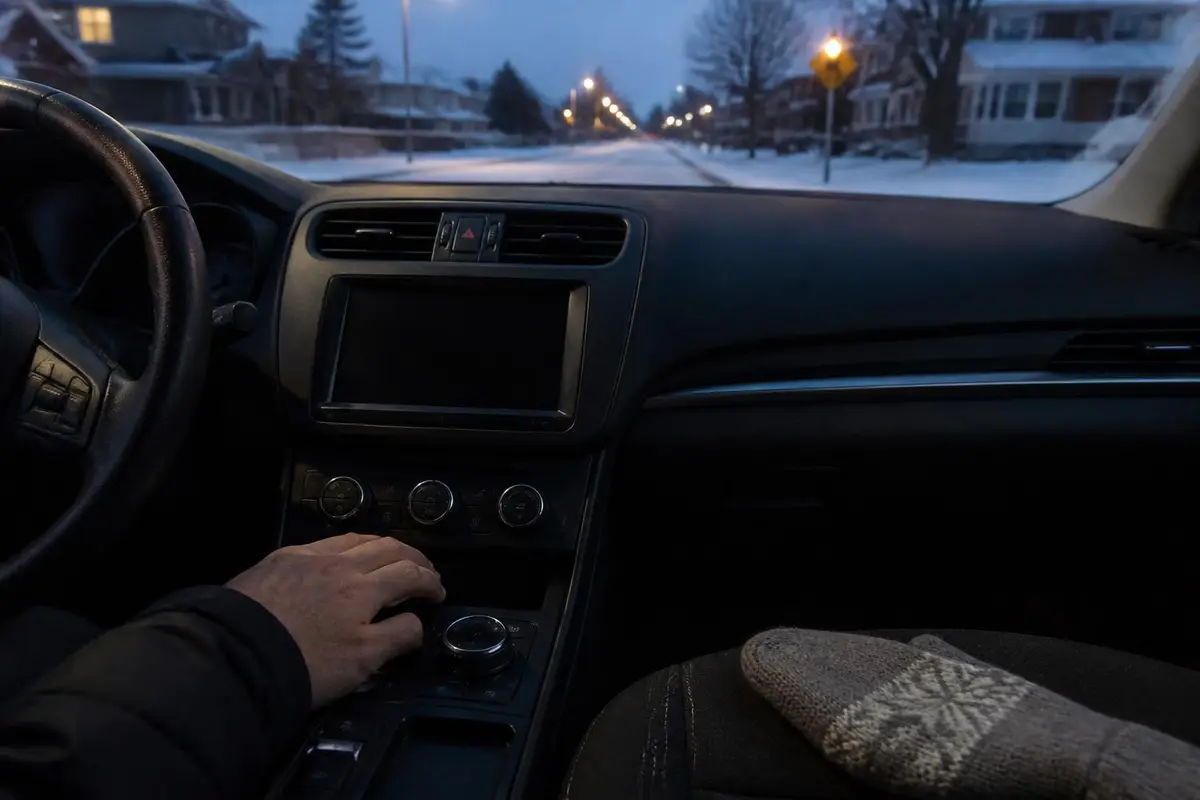
AWD systems are generally full-time and automatic, sending power to whichever wheels have grip without driver input, and are common on crossovers and car-based SUVs. Traditional 4WD systems are often part-time (engaged by the driver) and include a low-range gear set that multiplies torque at low speed — a genuine advantage for deep snow, steep grades or an off-road recovery that a typical AWD crossover system doesn't offer. See 4WD drivetrain systems for the full mechanical breakdown beyond snow specifically.
Why Tires Usually Matter More Than Either
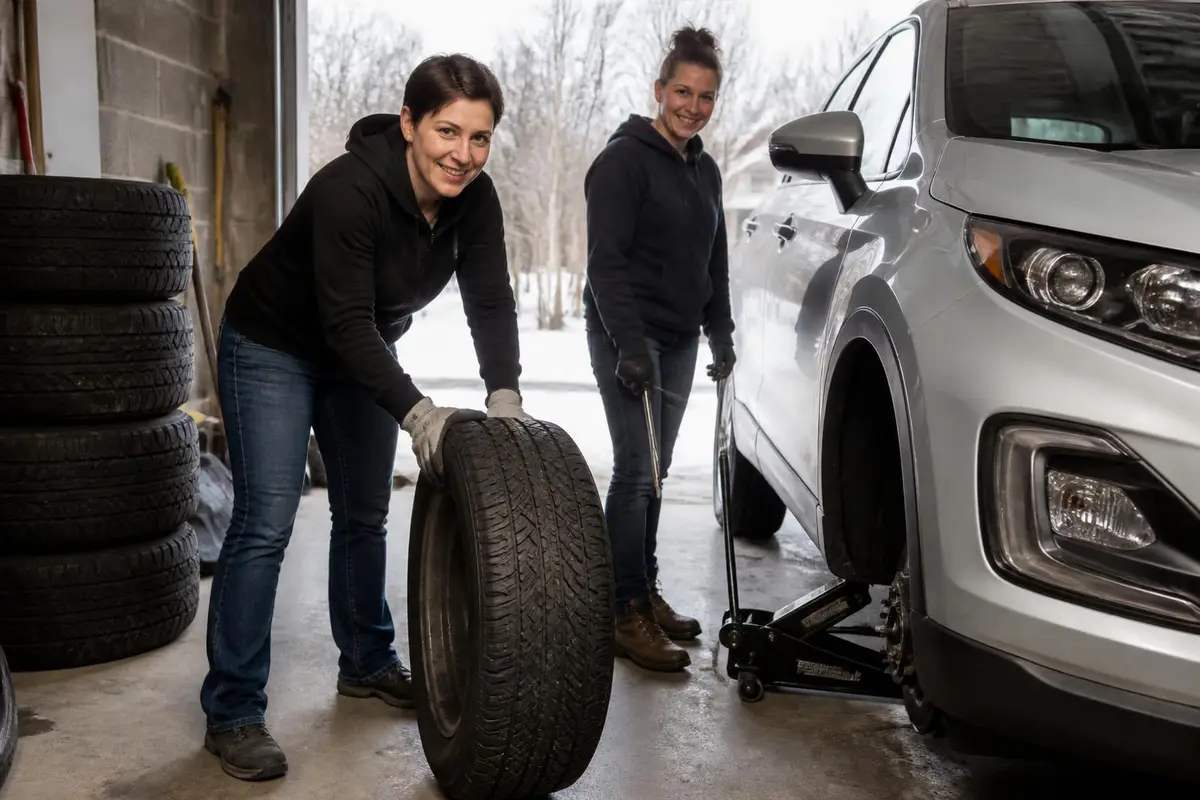
A quality winter tire on a 2WD vehicle regularly outperforms an AWD or 4WD vehicle running all-season tires in stopping distance and cornering grip on snow and ice, because the tire is doing the actual work of gripping the road. Owners who drive daily through a genuine winter season report tire choice as the single change that made the biggest real-world difference, more than any drivetrain upgrade. See winter and snow 4WD for how dedicated winter tires compare with a chained all-terrain tire.
Two States, Two Different Rules for the Same Badge
| State | What "chains required" means for 4WD/AWD |
|---|---|
| Colorado | 4WD/AWD is exempt from chains only with qualifying tires (M+S or 3-peak snowflake) and adequate tread — drivetrain alone doesn't satisfy the Traction Law |
| Washington | WSDOT's mountain-pass signage can read "All Vehicles Chains Required Except All-Wheel Drive," exempting 4WD/AWD from chains outright at that advisory level — though a higher "chains required on all vehicles" level removes even that exemption |
The two states don't even agree on what "4WD/AWD" exempts a driver from — Colorado always ties the exemption to the tires actually mounted, while Washington's standard signage can exempt 4WD/AWD from chains regardless of tire type, until conditions escalate to the highest advisory level. Never assume one state's rule applies to a neighboring one; check the specific route's posted requirement.
Traction Laws Don't Treat Drivetrain as Automatically Compliant
Some states' winter traction laws require AWD/4WD vehicles to also be running qualifying tires (mud-and-snow or severe-snow-rated) with adequate tread before the vehicle is considered compliant — drivetrain alone doesn't satisfy the requirement. Colorado's Traction Law is a documented example of this. Check the posted requirement for your specific route rather than assuming an AWD or 4WD badge is automatically enough.
Which Actually Matters for Your Situation
If winter driving means occasional snow on mostly plowed roads, a 2WD or AWD vehicle with genuinely good winter or snow-rated tires covers most of what matters. If winter driving regularly means deep, unplowed snow, steep grades, or off-road recovery, a true 4WD system's low-range gearing adds real capability that AWD doesn't replicate. See best 4x4 SUVs for snow for models built around that second use case.
Low Range Is the Feature AWD Doesn't Have, at Any Price
The dividing line isn't "AWD" versus "4WD" as marketing terms — it's whether the transfer case has a low-range gear. Jeep's own 4x4-systems documentation lists a 2.72:1 low-range ratio on part-time Command-Trac and 4:1 on Rock-Trac; multiplied through the transmission and axle gearing, that's what turns a stuck vehicle in deep snow into one that can crawl out at walking speed. No AWD crossover system offers this ratio at all, regardless of how the badge on the tailgate reads.
A Weak Battery Causes More Winter No-Starts Than Drivetrain Ever Does
Cold temperatures cut a lead-acid battery's effective output sharply — AAA Oregon puts the loss at around 60% of a battery's strength at 0°F versus a warm-weather baseline — and a marginal battery that started fine in summer is a common reason a vehicle won't start on a cold morning, regardless of whether it's 2WD, AWD or 4WD. NHTSA's own winter-driving guidance recommends having the battery checked before winter rather than assuming a capable drivetrain means a reliable start.
This page draws on Consumer Reports' published winter-traction testing and Colorado DOT's traction-law text, not first-hand winter comparisons; see how we rank.
Recommended gear
Gear for snow and winter trips
Affiliate disclosure: As an Amazon Associate, we earn from qualifying purchases, at no extra cost to you. Purchases through these links help keep this site running and up to date. Learn more

Best for getting unstuck from sand, mud or snow without another vehicle.
- Nylon recovery boards that give spinning tires grip in sand, mud or snow.
- Double as a shovel to clear sand from in front of the tires.

Best for a kinetic rope with matching soft shackles.
- 7/8 in x 30 ft kinetic rope plus two 7/16 in soft shackles.
- Comes with a waterproof storage bag.

Best for a compact compressor for tires up to 33".
- Compact 12V compressor, 120 PSI, for tires up to 33 in.
- Small enough to keep in the vehicle full-time.

Best for plugging a tread puncture on the trail.
- Reamer-and-plugger kit for tread punctures.
- Lets you plug a tire on the trail instead of changing it.
We research products from manufacturer specs and owner feedback; we don't test them ourselves. How we choose.
Sources
- Consumer Reports — Do You Really Need AWD in the Snow? — AWD and 4WD both improve acceleration traction on snow but do nothing for braking or cornering grip, which is where tires matter most.
- Colorado DOT — Passenger Vehicle Traction and Chain Laws — Colorado's Traction Law requires 4WD/AWD vehicles to also run qualifying tires (M+S or 3PMSF) with adequate tread to be considered compliant — drivetrain alone doesn't satisfy the law.
- Jeep — 4x4 Systems (Command-Trac, Rock-Trac, Selec-Trac) — Low-range transfer-case ratios (2.72:1 Command-Trac, 4:1 Rock-Trac) that no AWD crossover system offers.
- NHTSA — Winter Driving Tips — Battery power drops in cold weather; have the battery checked before winter regardless of drivetrain.
- AAA Oregon — Temperatures Are Dropping & So Is Your Car's Battery Power — At 0°F a car battery loses about 60% of its strength/power versus warmer conditions.
- WSDOT — Mountain Pass Tires and Chains — Washington's mountain-pass advisory levels, including signage that can exempt 4WD/AWD from chain requirements at some but not all advisory levels.