
Affiliate disclosure: As an Amazon Associate, we earn from qualifying purchases, at no extra cost to you. We research rather than test, and commissions never change our rankings. This site is reader-supported: those commissions pay for hosting, research and keeping every guide up to date, so if a guide helped you, buying through our links is an easy way to support it. How we rank · Full disclosure
4WD Auto is an automatic mode on many part-time 4WD systems that electronically detects wheel slip and sends power to the front axle only when needed, functioning like an on-demand AWD system layered onto 4WD hardware — designed to stay engaged for daily driving without the dry-pavement binding risk of a fully locked 4-high mode.
How 4WD Auto Actually Decides
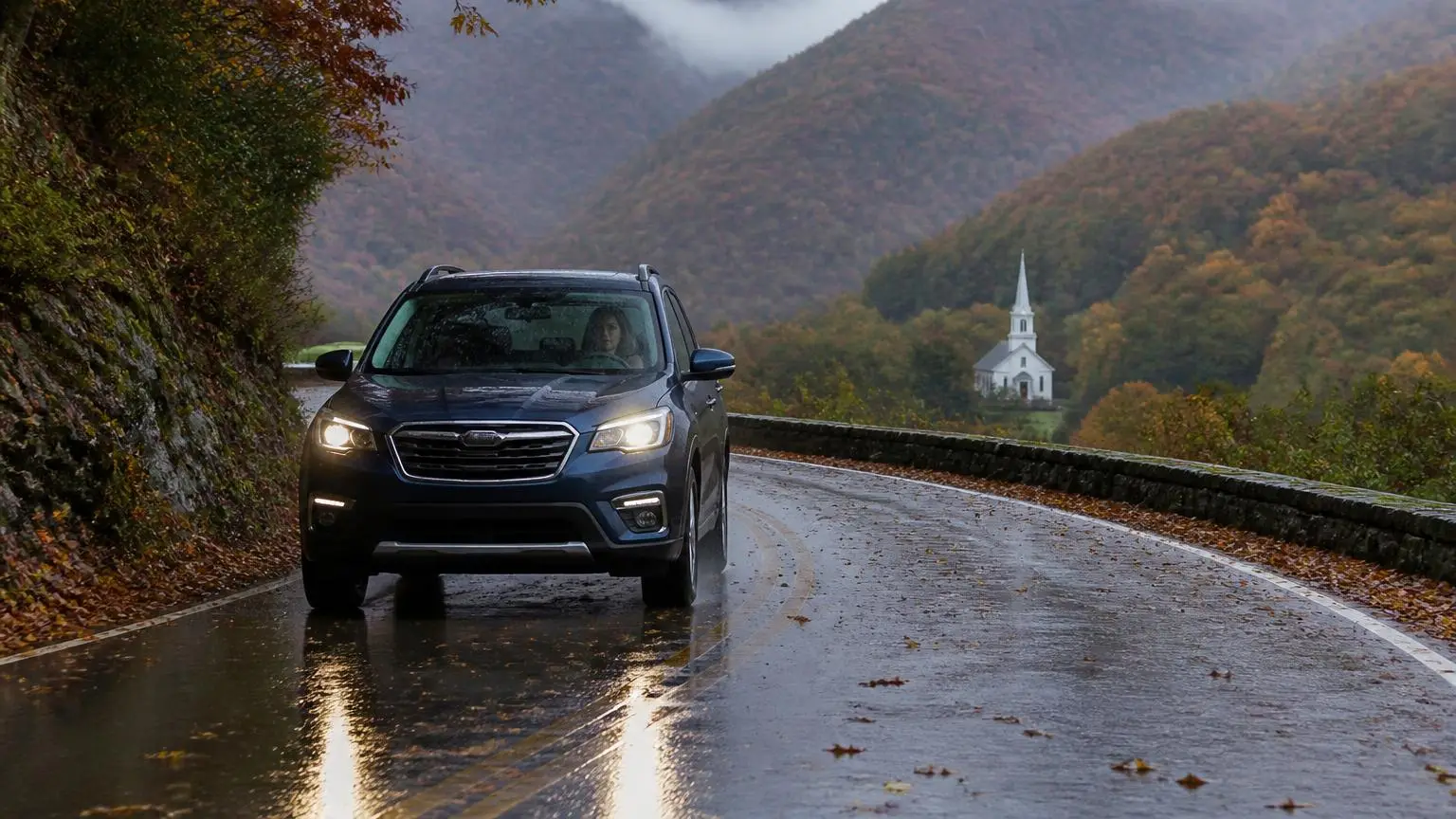
Rather than locking the front and rear axles together at a fixed power split the way 4-high does, 4WD Auto uses the vehicle's wheel-speed sensors — the same ones behind ABS and stability control — to detect when the rear wheels are slipping and automatically route torque to the front axle in response (see FAQ). On dry pavement with no slip detected, it behaves close to a rear-wheel-drive vehicle; the moment a wheel loses grip, front-axle power engages automatically without driver input. The naming and hardware differ by brand: Ford's own F-150 owner's manual documents "4A" as a Torque-on-Demand mode the driver can select at a stop or while driving, describing the system as continually monitoring and adjusting power delivery to the front and rear wheels to optimize traction. Chevrolet's own support documentation calls its version "AutoTrac," built into a 2-speed transfer case that automatically engages the front axle on slip and can still be locked into fixed 4WD when needed.

4WD Auto vs 4WD High
4-high locks the front and rear axles together at a fixed ratio, which delivers consistent, predictable power to both axles regardless of what any individual wheel is doing — but on some part-time systems, this locked-in state isn't recommended for sustained dry-pavement driving due to drivetrain binding (see 4WD on the highway). 4A avoids that specific issue by only engaging the front axle reactively, making it the mode manufacturers generally recommend for mixed dry-and-wet daily driving rather than committing to full 4H.

4WD Auto vs 4WD Lock
Where 4A reacts to detected slip, 4WD Lock (see what is 4WD lock) forces a fixed, locked power split similarly to 4-high, generally for a more technical or genuinely low-traction situation where waiting for the automatic system to detect slip isn't fast or predictable enough. The two modes serve different situations on the same drivetrain hardware rather than being redundant with each other.
Why Manufacturers Position It for Daily Driving
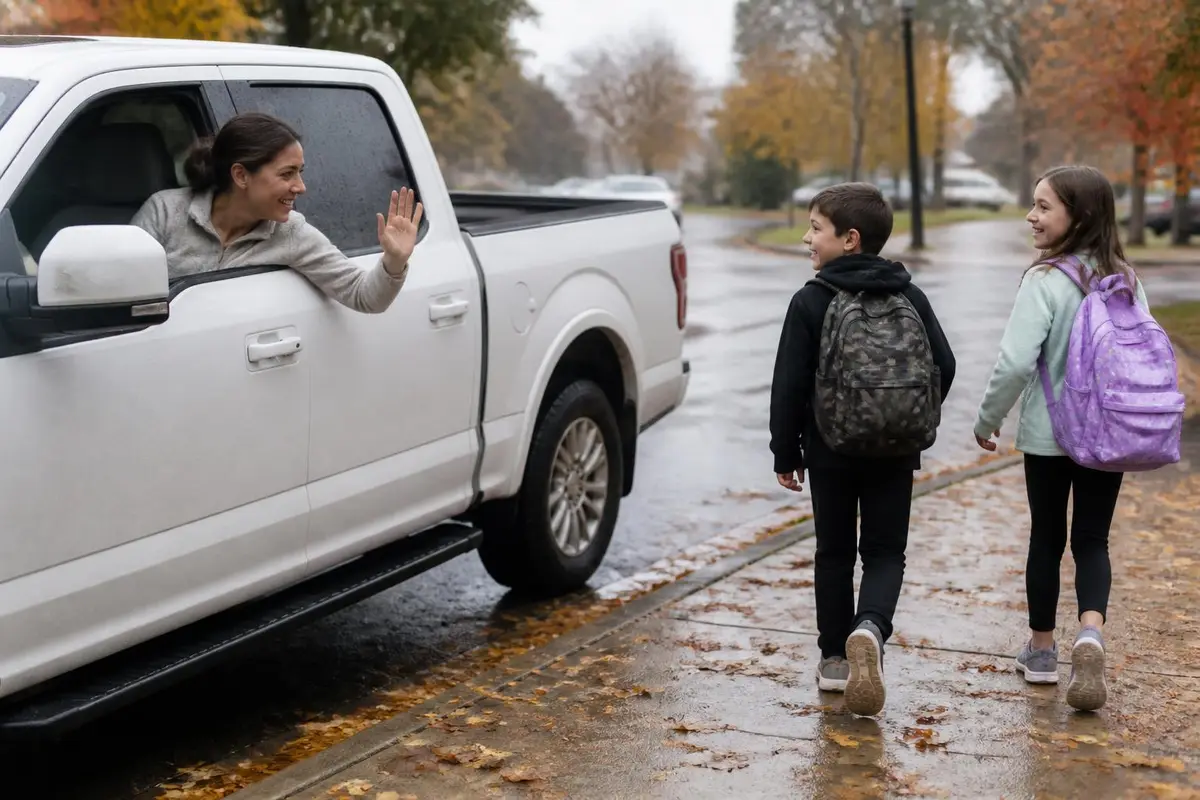
4WD Auto's core design goal is removing the driver's need to anticipate every patch of reduced traction and manually shift modes — it's built to be left engaged through a normal daily commute that mixes dry roads with occasional rain, wet leaves or light snow, reacting automatically rather than requiring the driver to predict conditions in advance. This is the practical reason it exists as a distinct mode on trucks that also offer full manual 4H and 4L selections for more demanding situations.
What It Doesn't Replace
4WD Auto generally lacks a low-range gear set of its own — it's a power-distribution mode layered on top of the drivetrain, not a substitute for 4-low's torque multiplication on genuinely technical terrain. A vehicle facing a steep, technical descent or rock-crawling obstacle still needs to shift into 4-low specifically, regardless of whether 4A was engaged beforehand for the drive to the trailhead.
Recommended gear
A first recovery kit for any 4WD
Affiliate disclosure: As an Amazon Associate, we earn from qualifying purchases, at no extra cost to you. Purchases through these links help keep this site running and up to date. Learn more

Best for a complete strap, shackle and glove kit in one bag.
- Straps, shackles, gloves, damper and a recovery bag in one kit.
- Covers most vehicle-to-vehicle recoveries without buying parts separately.

Best for getting unstuck from sand, mud or snow without another vehicle.
- Nylon recovery boards that give spinning tires grip in sand, mud or snow.
- Double as a shovel to clear sand from in front of the tires.

Best for airing all four tires down to a set pressure at once.
- Automatic deflators preset between 6 and 30 PSI.
- Air all four tires down at once, then stop at the set pressure.

Best for airing back up before you hit pavement.
- Portable 12V compressor rated to 150 PSI.
- Sized for truck and SUV tires.
We research products from manufacturer specs and owner feedback; we don't test them ourselves. How we choose.
Sources
- Chevrolet — How to Use Auto Trac — Chevrolet's own name and description for its automatic 4WD mode: AutoTrac, a 2-speed transfer case that engages the front axle automatically on detected slip.
- Ford — 2015 F-150 Owner's Manual — Ford's "4A" automatic mode: selectable at a stop or while driving, continually monitoring and adjusting front/rear power delivery via the Torque-on-Demand transfer case.
- Ford — F-150 Owner's Manual: Shifting Between 2H and 4H; Shifting To/From 4L — Cross-referenced 4H shift procedure and speed limit, contrasted with 4A's automatic engagement.