

Affiliate disclosure: As an Amazon Associate, we earn from qualifying purchases, at no extra cost to you. We research rather than test, and commissions never change our rankings. This site is reader-supported: those commissions pay for hosting, research and keeping every guide up to date, so if a guide helped you, buying through our links is an easy way to support it. How we rank · Full disclosure
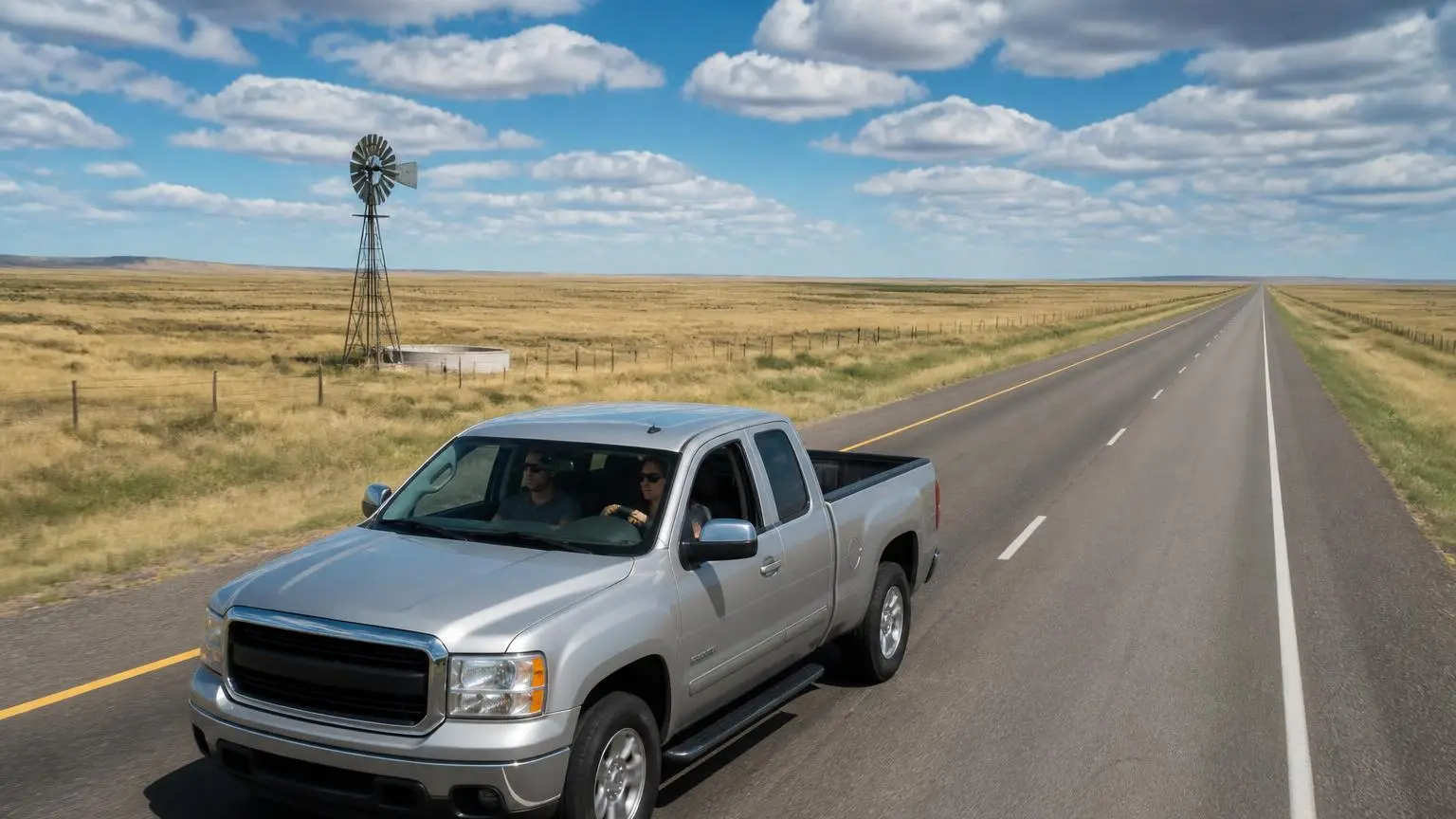
Whether 4WD is bad for highway or dry-pavement driving depends entirely on the specific system — a part-time 4WD system locked into 4-high or 4-low generally shouldn't stay engaged on dry, high-traction pavement due to drivetrain binding, while a full-time 4WD, AWD, or an automatic 4WD Auto mode is generally designed to handle dry pavement without that issue.
What Drivetrain Binding Actually Is
On a part-time 4WD system with no center differential, locking 4-high or 4-low forces the front and rear axles to turn at the same rate at all times. Through a corner, the front and rear wheels naturally need to travel slightly different distances and therefore turn at slightly different speeds — with no center differential to absorb that difference, the drivetrain fights itself, a condition called binding (see FAQ). Manufacturers document the consequence directly, if not always in identical terms: Ford's Ranger owner's manual warns that running 4H or 4L on dry, hard surfaces "can produce excessive noise, increase tire wear and may damage drive components." Toyota's 4Runner owner's manual takes the opposite framing, recommending 2H specifically for dry hard-surfaced roads because it gives "greater economy, quietest ride and least wear" — the same underlying tradeoff, stated as a positive recommendation rather than a warning.
Which Systems Are Affected and Which Aren't
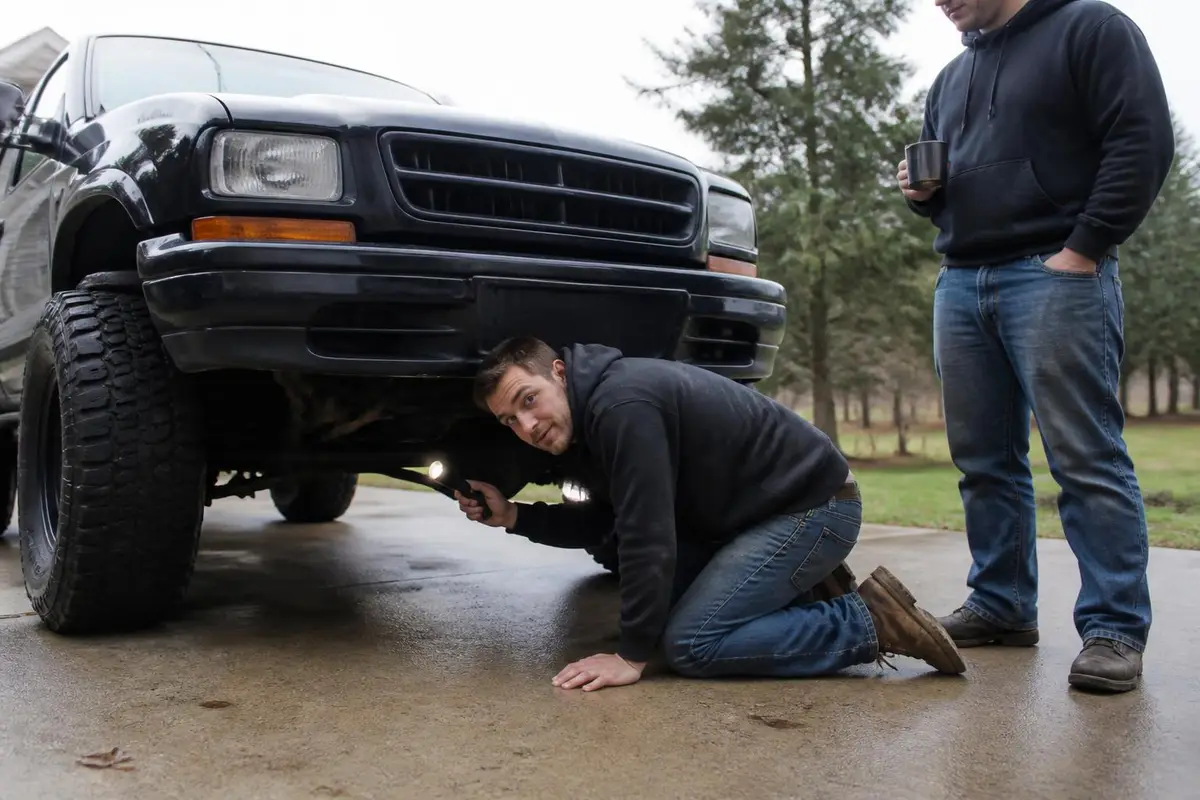
Part-time 4WD systems locked into 4H or 4L are the ones affected by binding on dry pavement. Full-time 4WD systems and true AWD systems generally include a center differential (or an electronically managed equivalent) specifically to absorb that front/rear speed difference, which is why they're designed to stay engaged across all surfaces including dry pavement. An automatic mode like 4WD Auto avoids the issue differently, by only sending power to the front axle reactively rather than locking both axles together continuously.
Recognizing Binding Before It Causes Damage
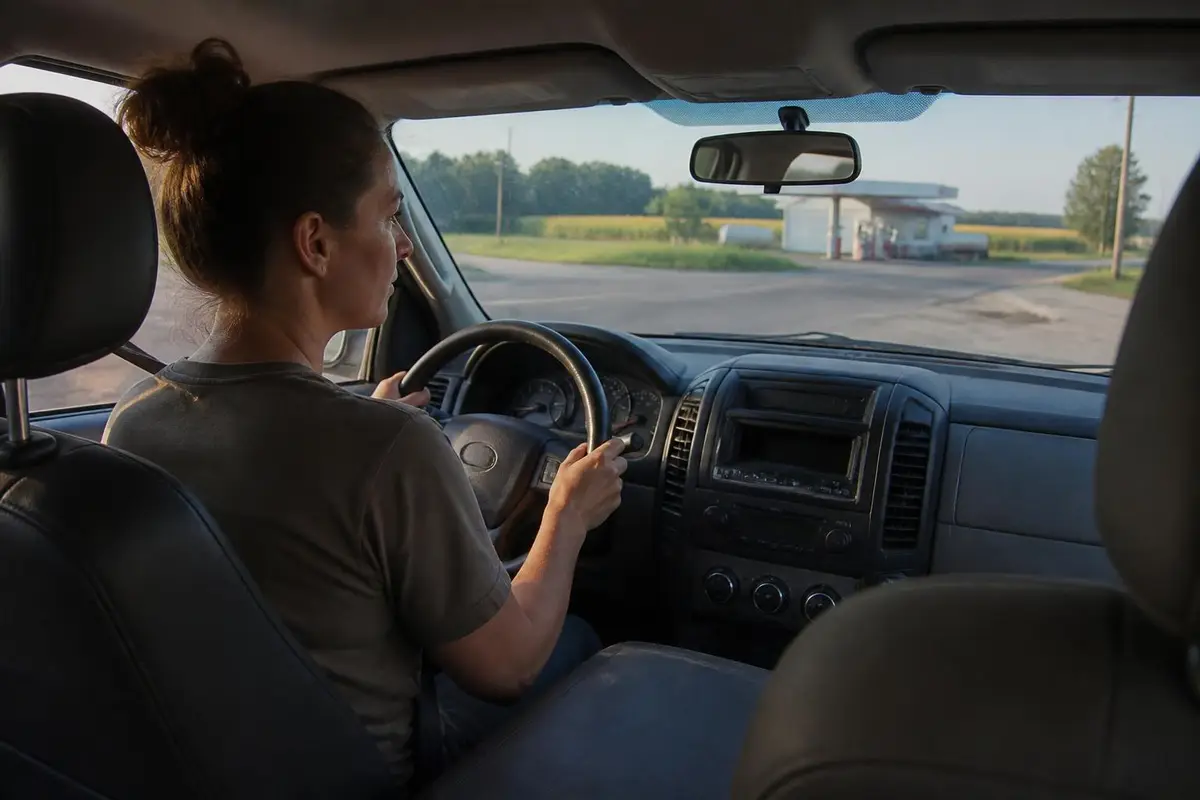
A shudder, hop or noticeable resistance through a tight, low-speed turn while locked into 4H or 4L on pavement is the classic early symptom of binding (see FAQ), and it's the driver's cue to disengage back to 2WD or an appropriate automatic mode before continuing. Left uncorrected, binding is a documented contributor to U-joint wear, driveshaft twisting and accelerated transfer-case, axle-shaft and tire wear — the exact drive-component damage Ford's owner's manual warns about above.

Shifting Back Before Returning to Pavement
The practical takeaway for a part-time system: shift out of locked 4WD before a sustained stretch of dry pavement, the same discipline covered for airing-down tires in the airing-down guide — both are "undo the off-road setting before the highway" habits that experienced off-road drivers build into their routine rather than remembering only when something feels wrong.
Checking What Your Specific Vehicle Allows
Because the answer genuinely depends on the specific drivetrain system — and manufacturers word the warning differently, as Ford's and Toyota's guidance above shows — checking your own owner's manual's dry-pavement guidance is the reliable way to know what's actually safe, rather than assuming a rule from one brand applies to another. See 4WD vs AWD for the broader system comparison.
Recommended gear
A first recovery kit for any 4WD
Affiliate disclosure: As an Amazon Associate, we earn from qualifying purchases, at no extra cost to you. Purchases through these links help keep this site running and up to date. Learn more

Best for a complete strap, shackle and glove kit in one bag.
- Straps, shackles, gloves, damper and a recovery bag in one kit.
- Covers most vehicle-to-vehicle recoveries without buying parts separately.

Best for getting unstuck from sand, mud or snow without another vehicle.
- Nylon recovery boards that give spinning tires grip in sand, mud or snow.
- Double as a shovel to clear sand from in front of the tires.

Best for airing all four tires down to a set pressure at once.
- Automatic deflators preset between 6 and 30 PSI.
- Air all four tires down at once, then stop at the set pressure.

Best for airing back up before you hit pavement.
- Portable 12V compressor rated to 150 PSI.
- Sized for truck and SUV tires.
We research products from manufacturer specs and owner feedback; we don't test them ourselves. How we choose.
Sources
- Ford — Ranger Owner's Manual — Ford Ranger manual language: running 4H or 4L on dry, hard surfaces can produce excessive noise, increase tire wear and may damage drive components.
- Toyota — 4Runner Owner's Manual — Toyota's recommendation to use 2H (not 4WD) on dry hard-surfaced roads for greater economy, quietest ride and least wear.
- Ford — F-150 Owner's Manual: Shifting Between 2H and 4H; Shifting To/From 4L — Cross-referenced shift-speed procedure for returning a part-time system to 2WD before sustained highway driving.