
Affiliate disclosure: As an Amazon Associate, we earn from qualifying purchases, at no extra cost to you. We research rather than test, and commissions never change our rankings. This site is reader-supported: those commissions pay for hosting, research and keeping every guide up to date, so if a guide helped you, buying through our links is an easy way to support it. How we rank · Full disclosure
TL;DR
- A transfer case splits engine power between the front and rear driveshafts and, in low range, multiplies torque while cutting top speed for slow, technical terrain.
- Jeep's Rock-Trac low range is 4:1 and Command-Trac's is 2.72:1 — with a manual transmission and a 4.88:1 axle ratio, Jeep publishes a 100:1 crawl ratio for the Rubicon (Jeep, "Wrangler Capability").
- Crawl ratio = transmission first-gear ratio × transfer case low-range ratio × axle ratio — the three numbers that actually determine how fine your low-speed control is.
- Nearly every transfer case needs the vehicle stopped or crawling, with a manual gearbox in neutral, to shift into or out of 4-low without grinding gears.
- Part-time 4WD should only run in 4-high or 4-low on loose, low-traction surfaces; full-time systems add a center differential so they can run on dry pavement too.
The Transfer Case's Basic Job
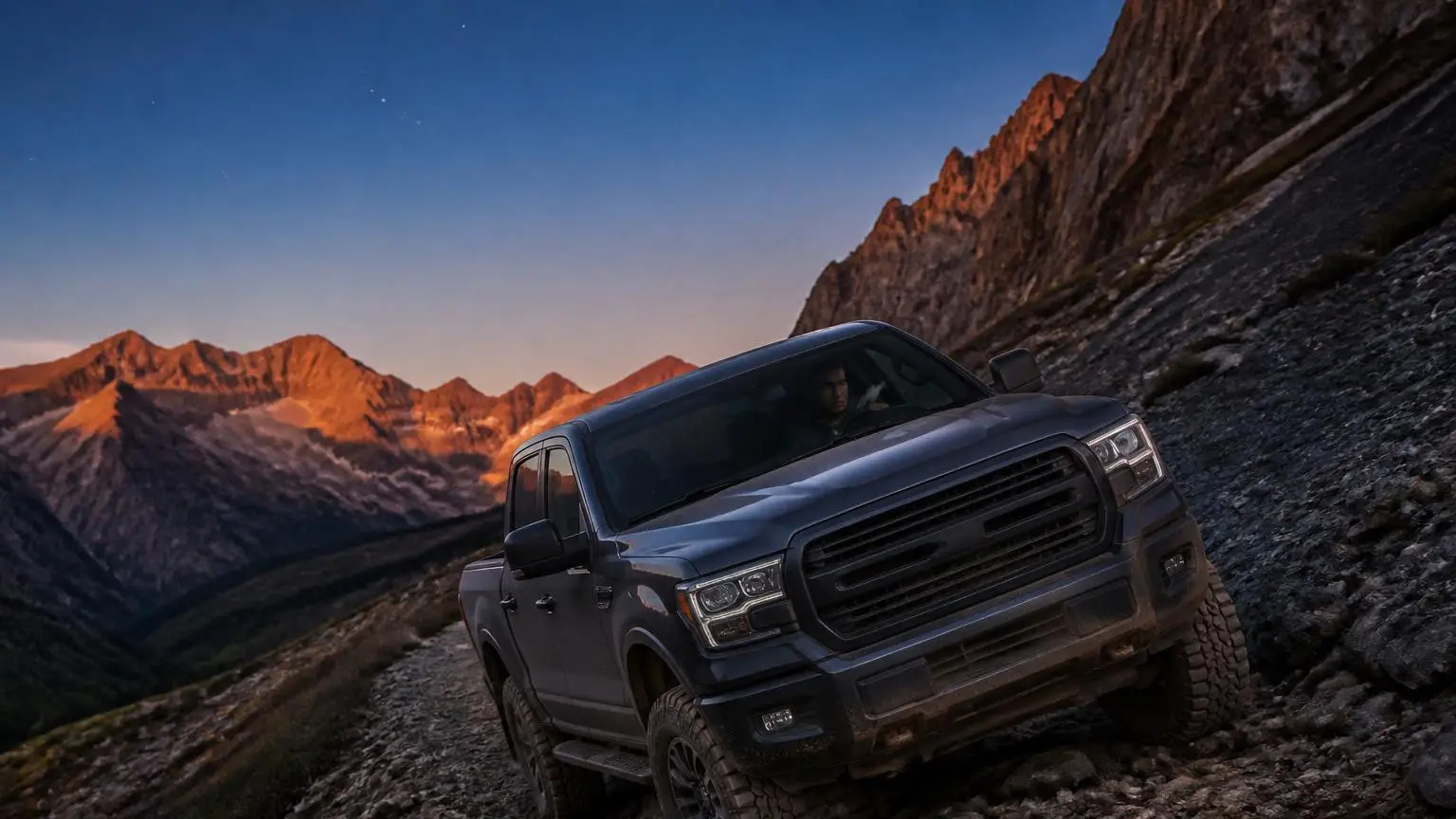
In a 2WD vehicle, power flows from the transmission to one axle only. A 4WD vehicle adds a transfer case between the transmission and both the front and rear driveshafts, splitting engine power to both axles so all four wheels can receive drive torque simultaneously. This is the fundamental component that distinguishes a true 4WD system from a front- or rear-wheel-drive vehicle.
4-High vs 4-Low: What Actually Changes
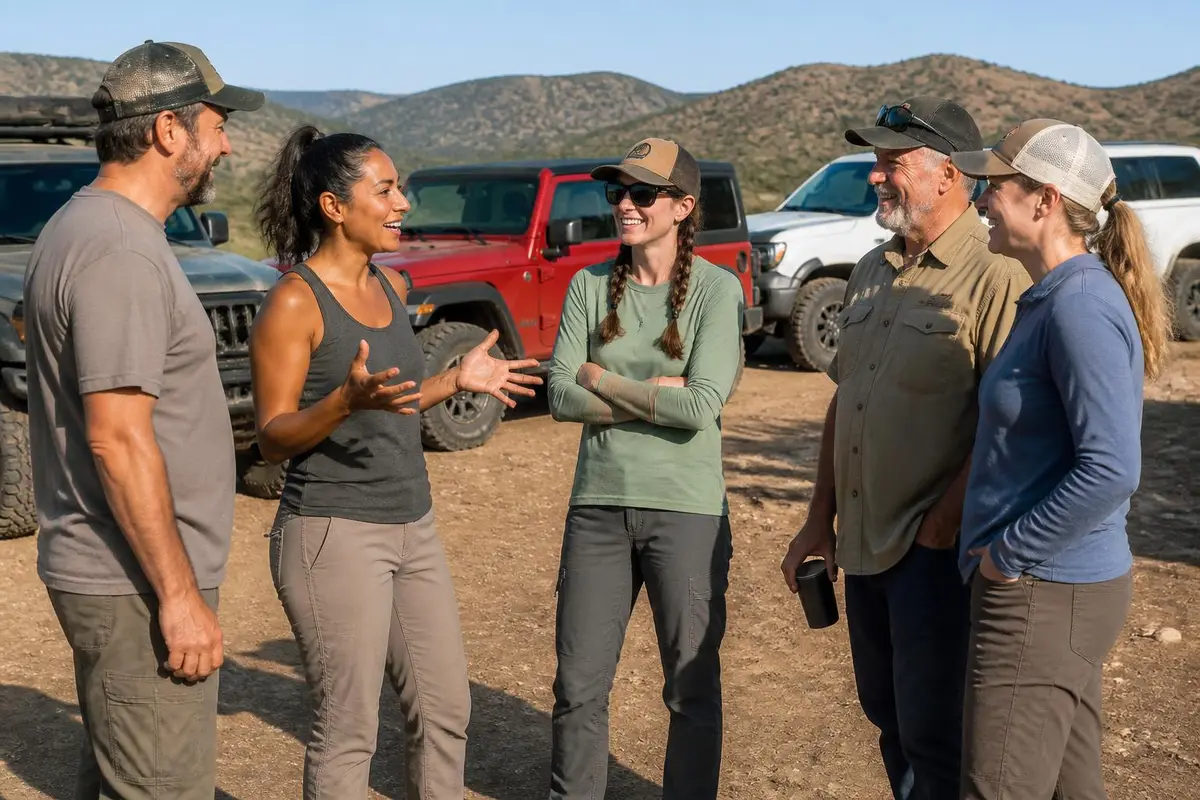
4-high (4H) engages both axles at a roughly 1:1 gear ratio, suitable for looser surfaces at normal road speeds — gravel, snow, sand at moderate speed. 4-low (4L) engages a significantly lower gear ratio within the transfer case itself, multiplying available torque at the wheels while reducing the vehicle's top speed at any given throttle input. This is what makes 4-low the setting for slow, technical terrain: rock crawling, steep grades, deep mud, where precise low-speed control matters far more than acceleration.
Part-Time vs Full-Time Systems
A part-time transfer case lets a driver manually shift between 2WD and 4WD, and is generally not meant to run in 4-high on dry pavement (see FAQ). The front and rear axles are locked to the same speed with no mechanism to compensate for the natural speed difference between them through a corner. A full-time transfer case includes a center differential that manages that speed difference automatically, permitting 4WD engagement on any surface, wet or dry, without the binding risk. Some modern trucks offer a selectable "auto 4WD" mode that behaves like a full-time system only when slip is detected, blending both approaches into one transfer case.
Shifting Into and Out of 4-Low
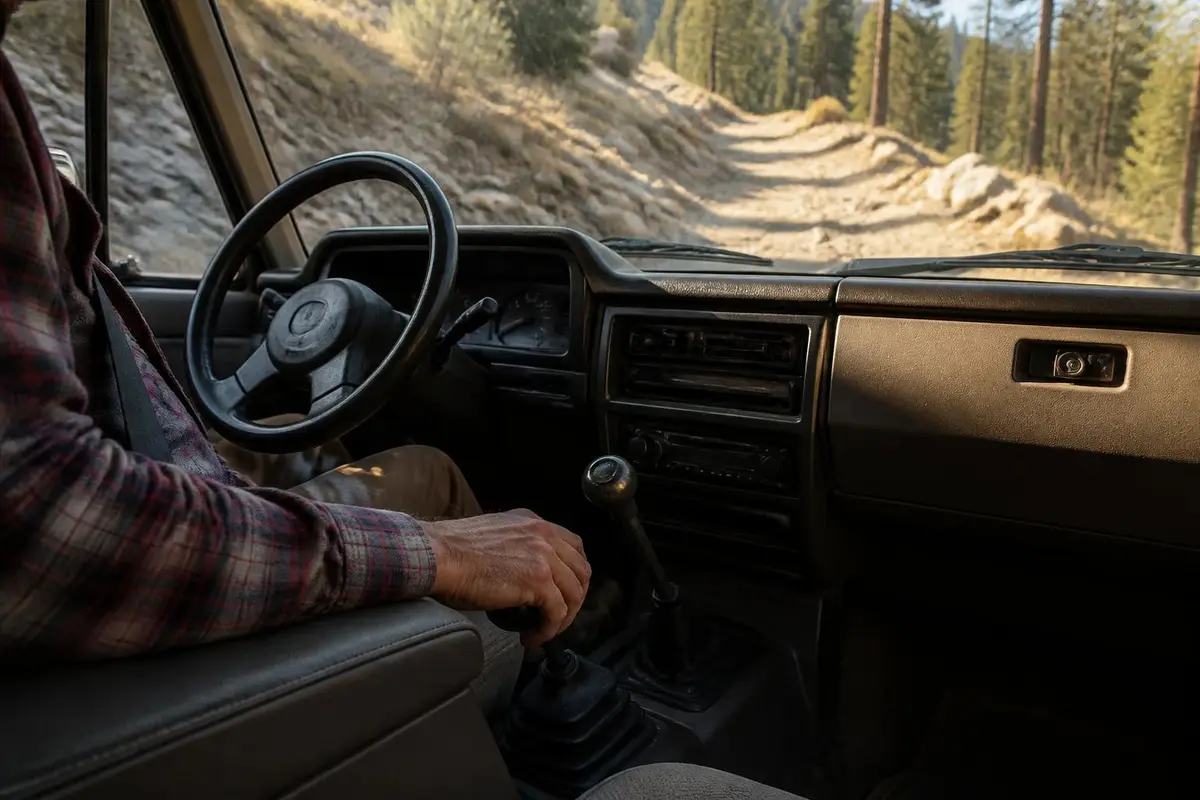
Shifting into 4-low requires the vehicle to be stopped or moving at a crawl in most transfer cases (see FAQ), with the transmission in neutral on manual-transmission vehicles specifically. Electronic shift-on-the-fly systems, common on modern trucks — Toyota, for instance, describes the current 4Runner's transfer case as "electronically controlled" with high and low range — allow shifting between 2WD and 4-high at speed, but shifting to or from 4-low still requires a full stop on nearly every system, since the low-range gear engagement mechanism isn't designed to shift cleanly under load at speed.
How Transfer Case Ratio Feeds Into Crawl Ratio
A vehicle's overall crawl ratio — the combined gear reduction across the transmission's first gear, the transfer case's low-range ratio and the axle ratio — determines how fine the low-speed control actually is on technical terrain. The formula is straightforward multiplication: crawl ratio = transmission first-gear ratio × transfer-case low-range ratio × axle ratio. A higher transfer-case low-range ratio contributes directly to a higher overall crawl ratio, which is why dedicated rock-crawling trims often ship with a lower (numerically higher) transfer-case ratio than a standard trim of the same truck. See the 4x4 glossary for the full crawl ratio definition and typical ranges.
A Worked Example, Using Jeep's Own Published Numbers
Jeep's own Wrangler capability page states the Rock-Trac 4x4 system's low range is a 4:1 gear ratio, and that Rock-Trac "can deliver an available and outstanding 100:1 crawl ratio when equipped with the manual transmission and an available 4.88:1 axle ratio." Multiplying the two published numbers gives 4 × 4.88 = 19.52; dividing that into Jeep's own published 100:1 total crawl ratio (100 ÷ 19.52 ≈ 5.12) shows the manual transmission's first gear is doing roughly 5.1:1 of the multiplication on top of the transfer case and axle — the same three-number math (transmission × transfer case × axle) applies to any 4WD vehicle, not just this one. By contrast, Jeep's Command-Trac part-time system uses a milder 2.72:1 low range, which is why a Rubicon on Rock-Trac crawls slower and with more torque multiplication at idle than a Sahara or Sport on Command-Trac, even with identical axle gearing.
| System | Type | Low-range ratio |
|---|---|---|
| Command-Trac | Part-time | 2.72:1 |
| Rock-Trac | Part-time, Rubicon-only | 4:1 |
Common Transfer Case Issues Owners Report
A transfer case that's difficult or noisy to shift into 4-low is a frequently reported issue, often traced to low or degraded transfer-case fluid rather than a mechanical fault. Checking fluid level and condition against the manufacturer's service interval is the standard first troubleshooting step. A "stuck in 4-low" condition, where the case won't shift back to 2WD, is commonly linked to a worn shift-fork linkage or a faulty electronic shift-motor on vehicles with electronic transfer-case control. A transfer case service interval, often overlooked compared to engine and transmission fluid changes, is worth confirming in the owner's manual rather than assuming it never needs attention.
What Happens When You Move the Shifter
Moving the lever, dial or button tells the transfer case which range to use, and the driver controls on most modern trucks make the rules for doing it very specific. Ford's F-150 owner's manual, for example, says you can move the control from 2H to 4A or 4H at a stop or while driving, but that shifting into or out of 4L means slowing to 3 mph or less and putting the transmission in neutral first. The same manual says 4H and 4L are only intended for consistently slippery or loose surfaces and should not be used on dry, hard-surfaced roads. Those exact speeds vary by manufacturer and model year, so treat your own manual as the final word on shifting. Understanding that the transfer case is simply splitting and, in low range, multiplying power makes those rules easy to remember: it is built for loose surfaces and slow work, and shifting low range needs the gears to be nearly stopped so they can mesh without grinding.
Related Reading
See 4WD drivetrain systems for how the transfer case fits alongside locking differentials and sway bar disconnects, and off-road maintenance and DIY for transfer-case fluid service intervals.
Transfer Case Choice Doesn't Determine Axle Differential Type
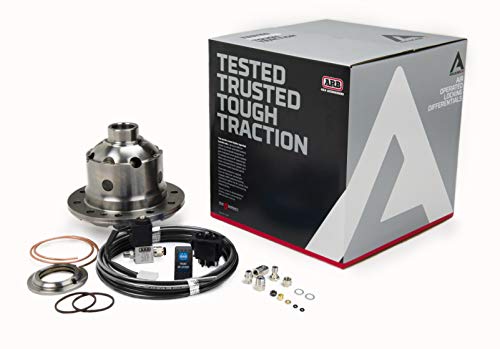
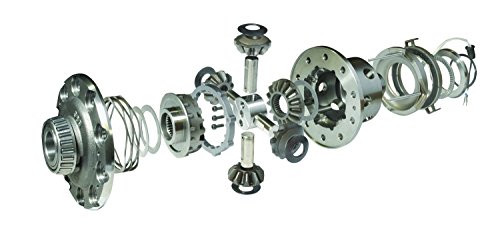
The transfer case only controls the front/rear power split; it has no effect on what's inside each axle. A part-time or full-time transfer case can sit ahead of an open differential, a limited-slip differential like Eaton's Detroit Truetrac, or a true locking differential like Eaton's Detroit Locker, at either axle — those are independent purchase decisions. See what is a locking differential for how that separate, axle-level system works.
Recommended gear
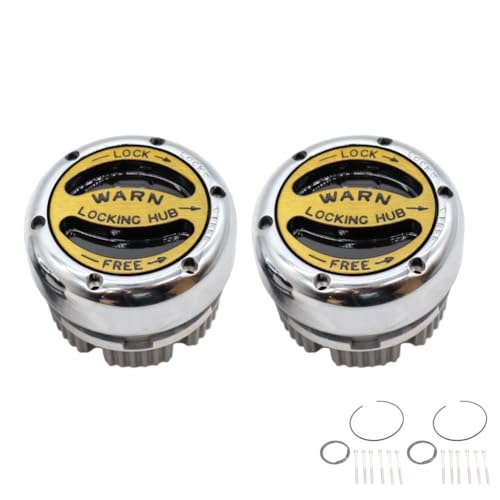
Lockers and hubs for your drivetrain
Affiliate disclosure: As an Amazon Associate, we earn from qualifying purchases, at no extra cost to you. Purchases through these links help keep this site running and up to date. Learn more
We research products from manufacturer specs and owner feedback; we don't test them ourselves. How we choose.
Sources
- Ford Owner's Manual — Using Four-Wheel Drive (2017 Expedition) — 4H and 4L are not for dry, hard-surfaced roads; shifting into 4L requires the vehicle at 3 mph or less with the transmission in neutral.
- Jeep — 4x4 Systems (Command-Trac, Rock-Trac, Selec-Trac) — Low-range ratios vary by system (2.72:1 part-time Command-Trac vs 4:1 Rock-Trac), crawl ratio, and full-time 4WD for all road surfaces including pavement.
- Jeep — Wrangler Capability — Rock-Trac's 4:1 low gear ratio delivers an available 100:1 crawl ratio with the manual transmission and a 4.88:1 axle ratio; Command-Trac's 2.72:1 low range.
- Toyota Newsroom — The All-New 2025 Toyota 4Runner — The current 4Runner's electronically controlled two-speed transfer case, as an example of a modern shift-on-the-fly system.
- Eaton — Detroit Truetrac Limited-Slip Differential — Example of a limited-slip differential a part-time or full-time transfer case can sit ahead of at the axle.
- Eaton — Detroit Locker Automatic Locking Differential — Example of a true locking differential a transfer case can sit ahead of at the axle, independent of transfer case type.