
Affiliate disclosure: As an Amazon Associate, we earn from qualifying purchases, at no extra cost to you. We research rather than test, and commissions never change our rankings. This site is reader-supported: those commissions pay for hosting, research and keeping every guide up to date, so if a guide helped you, buying through our links is an easy way to support it. How we rank · Full disclosure
TL;DR
- A locking differential forces both wheels on an axle to spin at exactly the same speed when engaged, keeping the vehicle moving even if one wheel completely loses traction.
- Engagement speed limits vary by brand: ARB's Air Locker can be actuated at any speed (the air system isn't speed-limited), while Eaton's ELocker install instructions call for engaging at a stop or under 3 mph and not sustaining engagement above 20 mph, and Jeep's Rubicon Tru-Lok engages at 10 mph or less and auto-disengages above 30 mph.
- A selectable locker (driver-switched) behaves like an open differential until engaged; an automatic locker engages and disengages on its own based on torque and wheel speed.
- A rear locker alone covers most trail situations; a front locker adds real capability specifically for technical rock crawling.
- A locking differential is standard only on dedicated off-road trims — most base and mid-tier trucks ship with an open or limited-slip differential instead.
The Problem a Locker Solves
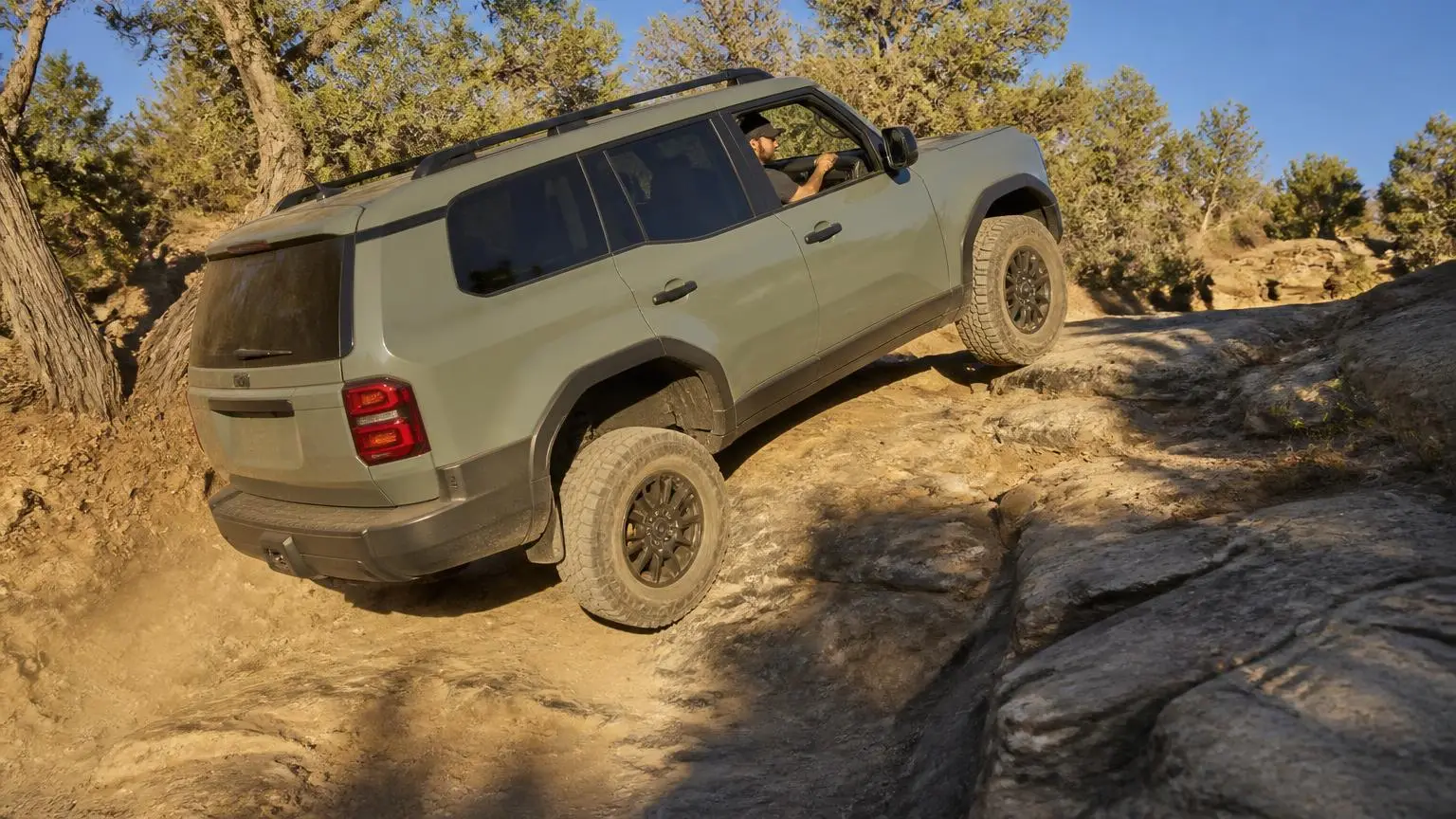
Every axle has a differential, a set of gears that allows the two wheels on that axle to spin at different speeds — necessary for cornering, since the outside wheel travels a longer path than the inside wheel. An open differential, the default on most vehicles, always sends power to whichever wheel offers the least resistance. On pavement this works fine. Off-road, it becomes a liability: if one wheel lifts off the ground or lands on ice, it spins freely with zero resistance and receives all the engine's power, while the wheel still touching solid ground — the one that could actually move the vehicle — gets none.
How a Locking Differential Actually Works
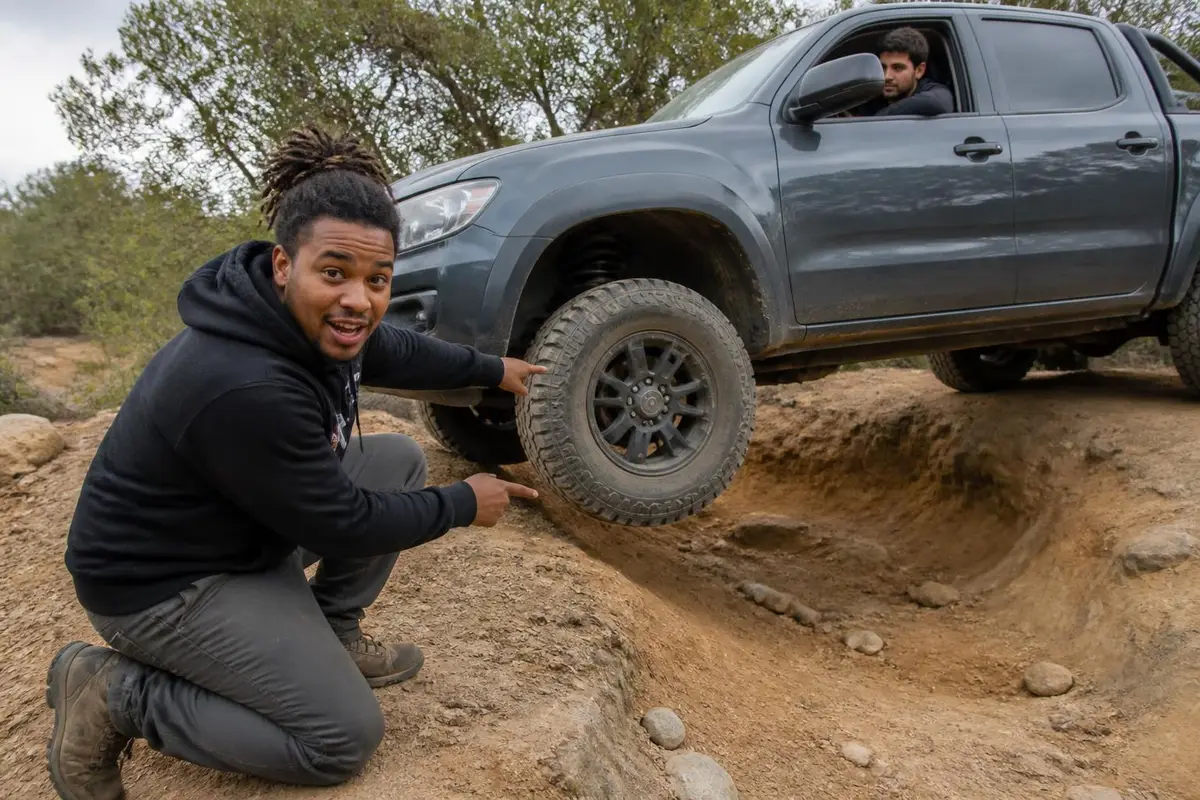
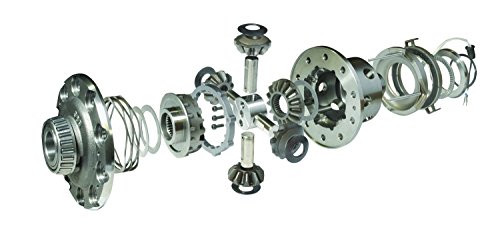
A locking differential overrides the open differential's default behavior. When engaged, internal mechanisms — commonly a set of locking pins, gears or an electronically actuated collar depending on design — force both axle shafts to rotate at the identical speed, bypassing the normal open-differential speed compensation entirely. Power now reaches both wheels equally regardless of which one has more grip, so a wheel with traction keeps working even while its partner spins freely or sits in the air.
Selectable vs Automatic Lockers
A selectable locker is engaged and disengaged by the driver, typically via a dashboard switch, and is the standard configuration on most factory off-road trims — Jeep's Rubicon (Tru-Lok), and per Toyota's own newsroom materials, the current 4Runner's TRD Off-Road, TRD Pro and Trailhunter trims (electronic locking rear differential) and every trim of the current Land Cruiser, which ships with standard center and rear locking differentials. It stays disengaged for normal driving and gets switched on specifically for a technical section. An automatic locker engages and disengages on its own based on torque and wheel-speed differences, requiring no driver input but generally producing a less predictable, sometimes noisier feel on mixed terrain than a selectable unit.
Front Locker vs Rear Locker
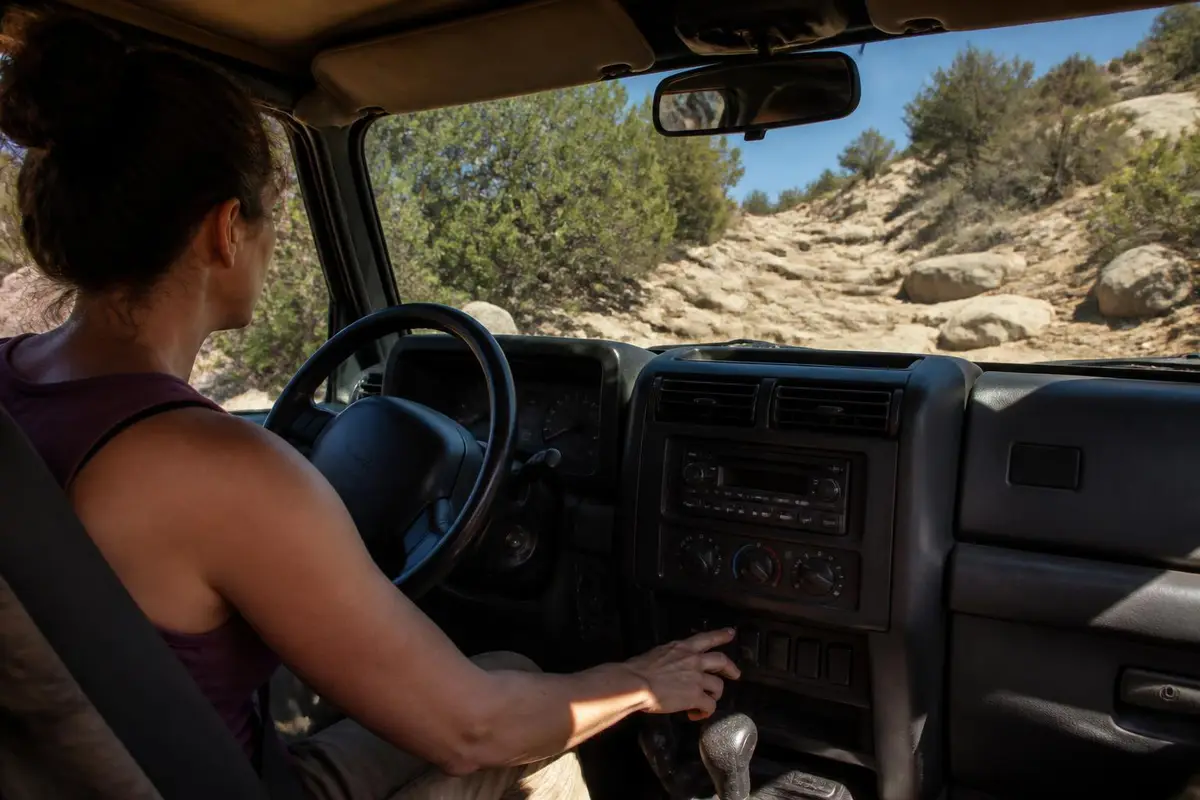
A rear locker alone covers the majority of traction situations most drivers encounter, since the rear axle typically carries more of a vehicle's weight and does more of the work climbing an obstacle. A front locker adds real capability specifically for technical rock crawling, where front-wheel traction is what actually pulls the vehicle up and over an obstacle the rear wheels are following. Front lockers are a bigger investment and a bigger change to steering feel when engaged, which is why most builds add a rear locker first and a front locker only once a specific terrain need justifies it.

When to Actually Engage a Locker
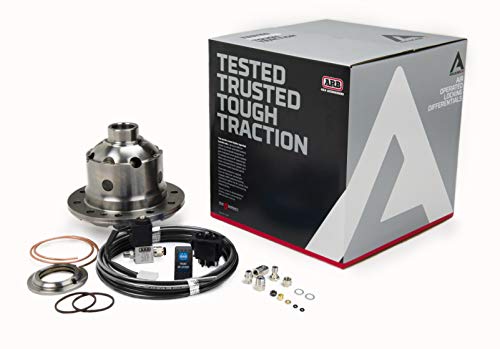
A locker should be used only at low speed on loose, uneven or slick terrain — sand, mud, snow, or a rocky obstacle where a wheel might lift — and driven straight, not through a tight turn, while engaged. Worth separating from that recommended-use window is the mechanical engagement spec some lockers carry: ARB, for instance, states its Air Locker can be actuated (locked or unlocked) at any vehicle speed, since the air-actuation mechanism itself isn't speed-limited. That's a claim about when the mechanism can physically engage, not a recommendation to drive normally, or corner, with it locked — turning while locked forces the axle to fight itself, since both wheels are locked to the same speed despite needing to travel different distances through a corner (see FAQ), which stresses axle shafts and locker components and can cause a hop or bind feeling through the steering wheel regardless of the speed at which it was engaged.
Engagement Speed Limits Actually Vary by Brand
"Any speed" doesn't mean the same thing across every locker. ARB's air-actuation system genuinely isn't speed-limited, but Eaton's own ELocker installation instructions are stricter: they call for engaging "while the vehicle is stationary or operating at speeds of 3 mph or less with minimal wheel slippage," warning that engaging at higher speed or with a wheel already spinning fast "may damage the differential's engagement pins or lock collar," and add that engagement "should not be maintained at high speeds (greater than 20 mph)." A factory system can differ again: Jeep's Wrangler Rubicon owner's manual describes the Tru-Lok axle lock as engaging at 10 mph or less, automatically disengaging above 30 mph, and re-locking once speed drops back under 10 mph. The practical takeaway is the same regardless of brand — engage low and slow, and check that specific unit's own instructions rather than assuming one brand's speed tolerance applies to another.
| System | What the maker states |
|---|---|
| ARB Air Locker | Actuates at any vehicle speed (air system has no speed limit) |
| Eaton ELocker | Engage stopped or under 3 mph; don't sustain engagement above 20 mph |
| Jeep Rubicon Tru-Lok | Engages at 10 mph or less; auto-disengages above 30 mph |
Identifying Whether a Truck Already Has One
Checking the specific trim's factory documentation is the most reliable way to confirm locker equipment, since a locker isn't always visually obvious from outside the vehicle. Some manufacturers print an axle-code sticker in the driver-door jamb or glovebox that indicates locker equipment; a dealer or manufacturer's build-sheet lookup by VIN is the most reliable confirmation for a used vehicle with an uncertain history.
Related Reading
See is a locking differential worth it for the cost-versus-use decision, and locking differential vs limited-slip for the full comparison against the more moderate LSD option. See 4WD drivetrain systems for how a locker fits alongside a transfer case and sway bar disconnect.
Recommended gear
Lockers and hubs for your drivetrain
Affiliate disclosure: As an Amazon Associate, we earn from qualifying purchases, at no extra cost to you. Purchases through these links help keep this site running and up to date. Learn more
We research products from manufacturer specs and owner feedback; we don't test them ourselves. How we choose.
Sources
- Jeep — Wrangler Capability — Tru-Lok electronic locking differentials lock and evenly distribute power on the Wrangler Rubicon.
- Eaton — Detroit Locker Automatic Locking Differential — How an automatic locker drives both wheels together and unlocks to allow wheel-speed difference in turns.
- Eaton — Detroit Truetrac Limited-Slip Differential — How a limited-slip differential differs from a locker.
- ARB — Air Locker — ARB Air Lockers can be engaged or disengaged at any vehicle speed via the air-actuation system.
- Eaton — ELocker Differential Operating & Installation Instructions — Engage the ELocker only stationary or at 3 mph or less with minimal wheel slip; don't sustain engagement above 20 mph.
- Jeep 2016 Wrangler Owner's Manual — Axle Lock (Tru-Lok) Rubicon Only — Tru-Lok engages at 10 mph or less, automatically disengages above 30 mph, and re-locks once speed drops back below 10 mph.
- Toyota Newsroom — The All-New 2025 Toyota 4Runner — Electronic locking rear differential standard on TRD Off-Road, TRD Pro and Trailhunter trims.
- Toyota Newsroom — 2026 Land Cruiser: Built to Explore — Standard center and rear locking differentials across all Land Cruiser trims.