
Affiliate disclosure: As an Amazon Associate, we earn from qualifying purchases, at no extra cost to you. We research rather than test, and commissions never change our rankings. This site is reader-supported: those commissions pay for hosting, research and keeping every guide up to date, so if a guide helped you, buying through our links is an easy way to support it. How we rank · Full disclosure
TL;DR
A locking differential is worth it for drivers who regularly wheel terrain where one wheel can lose all traction — rock crawling, deep mud, snow — and it's rarely worth the cost and on-road tradeoff for a truck used mainly for daily driving and light, well-traveled trails.
When a Locking Differential Is Worth It
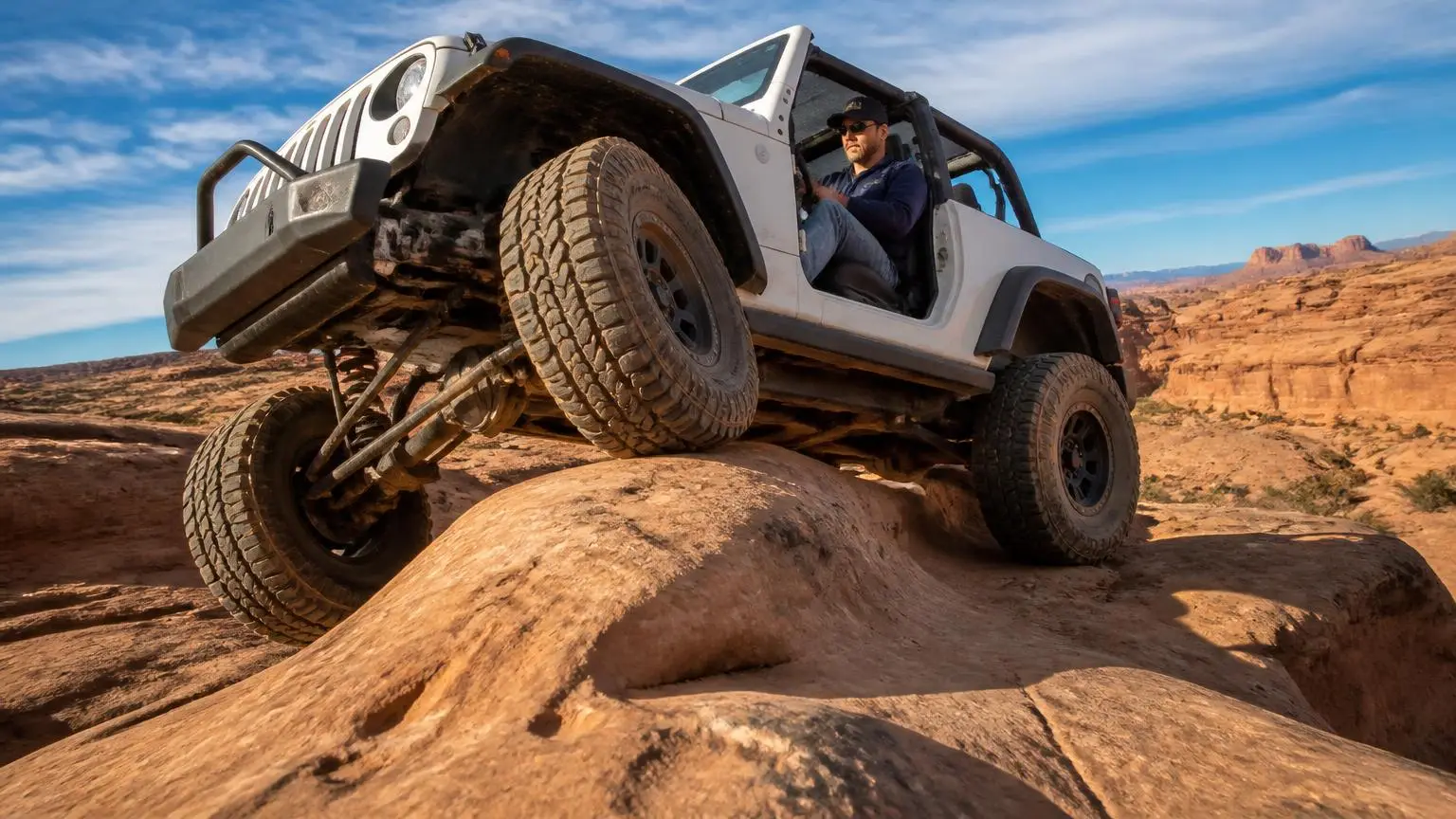
A locker earns its place on terrain where a single wheel commonly loses contact or traction entirely — technical rock crawling, deep mud, loose sand or snow. Owners who wheel this kind of terrain regularly report a rear locker specifically as one of the highest-value single upgrades for actual trail capability, since it directly solves the exact failure mode (one spinning wheel, zero forward progress) that stops a stock open-differential vehicle cold.
When a Locking Differential Is Not Worth It
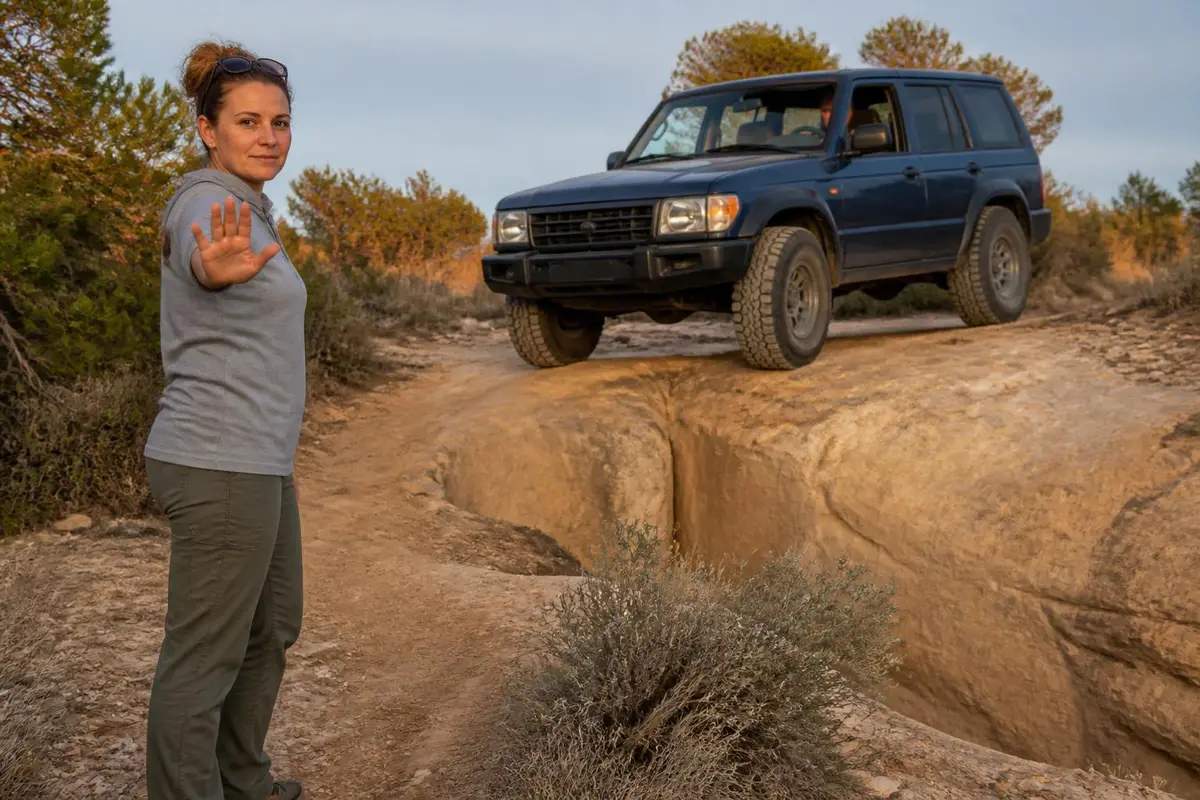
For a truck used mainly for daily driving, highway commuting and occasional graded, well-traveled trails, a locker's benefit rarely shows up in practice, since that terrain doesn't often present the one-wheel-off-the-ground situation a locker is built for. A limited-slip differential, or even a stock open differential paired with good tires and sensible driving, covers this use case adequately — see locking differential vs limited-slip for that comparison.
What It Actually Costs, Beyond the Part
A locker's own price is one part of the total. Installation, which involves opening the axle housing and setting up gear backlash correctly, is a job most owners take to a professional shop rather than attempting in a driveway, adding real labor cost on top of the part (see FAQ). Buying a used or new truck that already ships with a factory locker on its off-road trim sidesteps this cost entirely, which is why many owners planning serious trail use prioritize a factory-locker trim at purchase over adding one later.

The On-Road Handling Tradeoff
A selectable locker, disengaged for daily driving, has no on-road handling downside at all — it behaves exactly like a standard differential until switched on. An automatic locker, which engages and disengages on its own, can produce a noticeable clunk or momentary handling quirk when it engages unexpectedly during spirited or uneven-traction street driving, a tradeoff some owners report finding annoying enough to prefer a selectable unit instead despite the extra switch to manage.

Alternatives Worth Considering First
Before committing to a locker, checking whether a limited-slip differential — Eaton's Detroit Truetrac is one widely available example — or simply a better-matched all-terrain tire set already solves the traction gap a specific build is chasing is a reasonable first step. See all-terrain and mud tires for how tread pattern affects real-world traction independent of any differential upgrade. Electronic traction control, standard on most modern trucks, also closes part of the gap for occasional trail use without any hardware change at all.
Resale Value Consideration
A documented factory or well-installed aftermarket locker is a genuine selling point for buyers specifically shopping for a trail-capable build, and can add real resale appeal over an otherwise comparable truck without one. The tradeoff is a narrower buyer pool overall — a locker means little to a buyer shopping purely for a daily driver, so the resale benefit is real but audience-specific rather than universal. Listing the locker explicitly and by brand in a sale ad, rather than assuming a buyer will notice, helps connect with the specific audience who actually values it and is willing to pay a fair premium for it.
Cost vs Benefit: Total Cost by Use Case, Transfer Case, Part-Time 4WD and Full-Time 4WD
The cost vs benefit call depends on what's already in the drivetrain, not just the locker's price tag. A locking differential replaces an open differential's default behavior at the axle; it does nothing to change transfer case type, so a part-time 4WD truck and a full-time 4WD truck both benefit from a locker equally once the terrain calls for one. Total cost includes the part, professional installation labor, and — for anyone unsure a full locker is needed — the lower-cost option of a limited-slip differential first, which solves a meaningful share of everyday traction complaints without a locker's full expense or on-road tradeoff. This math holds the same whether the truck runs a Dana 44, a Dana 60, or another axle family — axle strength and differential type are separate purchase decisions.
What a Locker's Own Construction and Warranty Say About Longevity
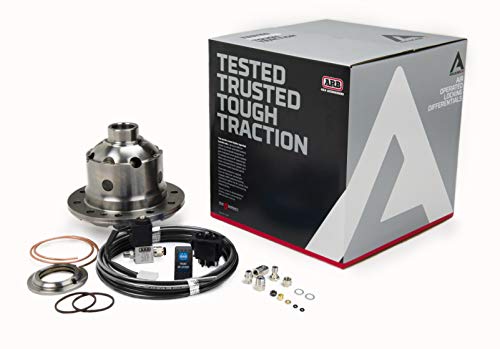
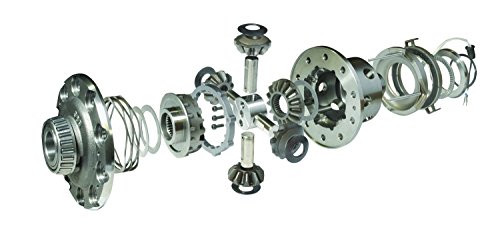
Build quality is part of the worth-it math too, since a locker that fails on the trail costs more than the part itself. ARB, for example, states its Air Locker uses a two-piece nodular steel housing and four forged, hardened pinion gears, and backs the unit with a 5-year warranty — concrete signals of expected service life from the manufacturer rather than a marketing adjective. Eaton makes an equivalent durability claim for its ELocker line, citing net-forged gears specifically for added strength. Weighing a locker's price against a multi-year factory warranty and a stated gear-forging process is a more grounded way to judge "worth it" than price alone.
The Verdict
A locking differential is worth it for builders with a genuine, recurring need to keep moving when one wheel loses all traction. For daily-driven trucks doing light, well-traveled trail work, a limited-slip differential or a stock open diff paired with good tires more consistently matches what owners report actually needing. See the full 4WD drivetrain systems hub for how a locker fits alongside the other systems that affect off-road traction.
Recommended gear
Lockers and hubs for your drivetrain
Affiliate disclosure: As an Amazon Associate, we earn from qualifying purchases, at no extra cost to you. Purchases through these links help keep this site running and up to date. Learn more
We research products from manufacturer specs and owner feedback; we don't test them ourselves. How we choose.
Sources
- FTC — Tips on Making the Most of Your Auto Warranty — Under the Magnuson-Moss Warranty Act, a manufacturer may not deny warranty coverage over aftermarket parts unless it can show the part caused the repair need.
- Jeep — Wrangler Capability — Factory Tru-Lok electronic locking differentials offered on the dedicated off-road Rubicon trim.
- ARB — Air Locker — How a selectable locker is switched on from the driver's seat and otherwise behaves as a normal differential; construction (2-piece nodular housing, forged pinion gears) and 5-year warranty.
- Eaton — ELocker Selectable, Electronic Locking Differential — Net-forged gears cited as an added-strength durability feature, used as a comparable build-quality signal to ARB's construction claims.
- Eaton — Detroit Truetrac Limited-Slip Differential — Example limited-slip differential offered as a lower-cost alternative to a full locker.