
Affiliate disclosure: As an Amazon Associate, we earn from qualifying purchases, at no extra cost to you. We research rather than test, and commissions never change our rankings. This site is reader-supported: those commissions pay for hosting, research and keeping every guide up to date, so if a guide helped you, buying through our links is an easy way to support it. How we rank · Full disclosure
TL;DR
- WARN's Premium hub uses an all-metal build with a ZA-alloy dial and heat-treated chromoly gears; the Standard hub uses a 4140-steel clutch ring built to OEM durability levels — a real material difference between the two tiers, not just price.
- Current (2005+) Ford Super Duty trucks take a 35-spline hub; older Dana 50/60-front platforms commonly take 30-spline, per WARN's own listings.
- A manual hub, left disengaged, stops the front axle shafts and differential from rotating during 2WD driving — a genuine drivetrain-wear and fuel-economy benefit an automatic hub doesn't fully match.
- Confirming exact spline count against the vehicle's actual axle, not the "4WD" badge or trim name, is the most common way this purchase goes wrong.
WARN has built its reputation primarily around winches, but the company also manufactures manual locking hubs across multiple tiers for a wide range of 4WD trucks and SUVs. This review is based on WARN's own product line positioning and application coverage, cross-referenced against aggregated owner reports — not a first-hand installation test.
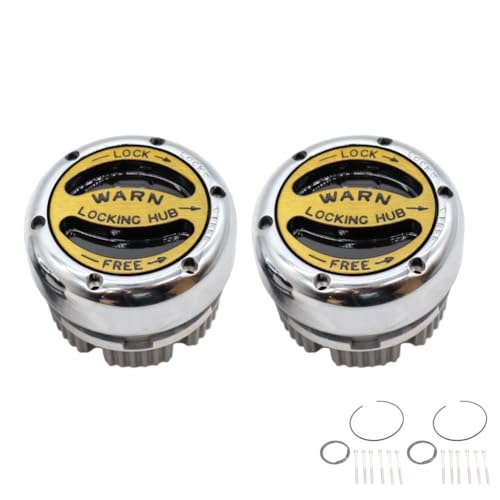
WARN sells manual locking hubs across Premium, Standard and vehicle-specific application lines, positioning the Premium tier as its more heavily built option for owners wanting a durable, direct factory-style replacement.
Why You Should Get This
WARN is one of the longest-established names in 4WD hardware, and its hub lineup gives owners a direct choice between a lighter-duty Standard hub and the more robust Premium tier depending on use and budget.
Benefits
- Sold across multiple lines (Premium and Standard) rather than a single one-size-fits-all product.
- Vehicle-specific spline counts and dial designs matched to specific axle applications.
- Available for a range of trucks including current Ford Super Duty applications.
Pros and Cons
- Long-established manufacturer with a specific, decades-deep focus on 4WD hardware rather than a general auto-parts catalog.
- Two-tier lineup lets owners choose based on actual use intensity rather than one fixed spec.
- Manual hubs, in general, offer a genuine fuel-economy and drivetrain-wear benefit over automatic hubs when deliberately left disengaged for highway driving.
- Requires the driver to physically turn a dial at each wheel, unlike an automatic hub.
- Correct spline count and fitment must be matched exactly to the specific axle application.
- A manual hub left in the wrong position (see our locking hubs explainer) delivers no 4WD traction even with the transfer case correctly shifted.
Confirm with the seller for your exact year/trim and axle spline count before ordering.
Premium vs Standard: WARN's Two-Tier Approach
WARN sells its manual locking hubs across at least two distinct tiers, generally described as Premium and Standard, allowing an owner to choose based on actual use intensity and budget rather than a single fixed specification across the whole lineup. WARN's own materials describe the Premium tier's construction specifically: an all-metal build with a ZA-alloy dial and heat-treated chromoly-steel gears. The Standard tier is built, per WARN, to OEM levels of durability, using a 4140-steel clutch ring rather than the Premium's alloy dial and chromoly gearset — a genuine material difference, not just a price-tier label. Checking WARN's current application guide for the specific vehicle is the reliable way to confirm which tier is available and correctly specified for a given axle.
Spline Count and Vehicle-Specific Fitment
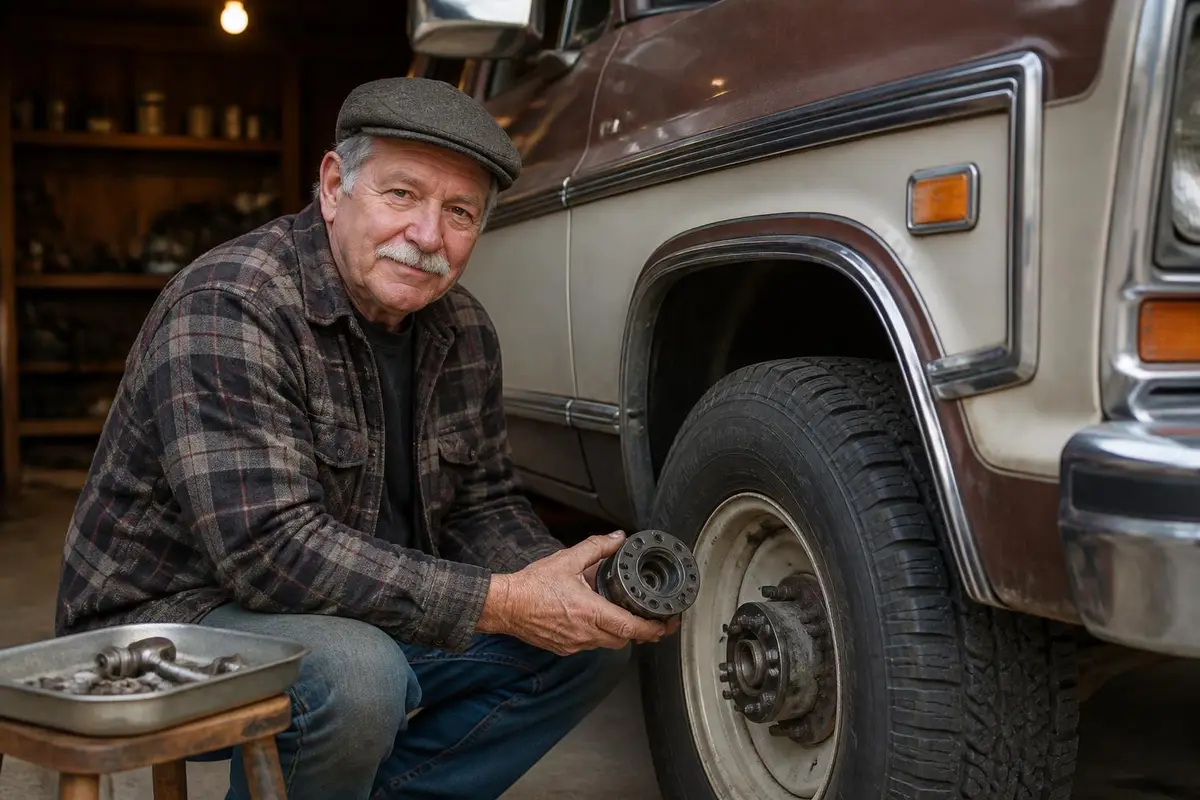
Locking hubs are matched to a specific axle's spline count — the number of teeth on the axle shaft that engage with the hub's internal mechanism — which varies by vehicle and axle family. WARN's own product listings give concrete examples: current (2005+) Ford Super Duty trucks take a 35-spline hub, while older platforms built around a Dana 50 or Dana 60 front axle (spanning GM, Dodge, Ford and Toyota trucks of that era) commonly take a 30-spline hub instead. Getting this wrong is the most common fitment mistake in the category, regardless of which manufacturer's hub is chosen.
| Platform | Spline count |
|---|---|
| Ford Super Duty (2005+) | 35-spline |
| Older Dana 50/60-front platforms (GM, Dodge, Ford, Toyota) | 30-spline |
The Case for Manual Hubs Specifically
Choosing a manual hub over an automatic one is a deliberate tradeoff: a manual hub, left disengaged for extended 2WD driving, removes the front axle shafts and differential from rotating at all, which reduces drivetrain drag and wear that an automatic hub doesn't fully avoid. The cost of that benefit is having to physically exit the vehicle to lock both hubs before engaging 4WD.
Who WARN Locking Hubs Actually Suit
Owners who specifically want a manual hub rather than an automatic one are the clearest fit for WARN's lineup. See our what do locking hubs do explainer for the underlying mechanism these hubs rely on before deciding between manual and automatic altogether.
Ford is a trademark of its respective owner. 4x4 & Overlanding is an independent publication and is not affiliated with, sponsored or endorsed by any vehicle manufacturer.
Reported failures & warranty
No widespread failures documented in the sources we checked; see the maker's warranty terms.
Research log
- 2026-09-26:Specs and claims for WARN manual locking hub researched from WARN — Premium Hubs and the other sources cited below.
Sources
- WARN — Premium Hubs — WARN's Premium and Standard manual locking hub lineup and application coverage.
- WARN — Locking Hubs, Ford Super Duty, 35 Spline — Current (2005+) Ford Super Duty trucks take a 35-spline hub.
- WARN — The Benefits of Manual Locking Hubs — Premium tier: all-metal construction, ZA-alloy dial, heat-treated chromoly-steel gears.
- WARN — Standard Locking Hub 11690 — Standard tier uses a 4140-steel clutch ring, built to OEM levels of durability; older Dana 50/60-front platforms commonly use a 30-spline hub.
- Spicer (Dana) — Dana 44 Front Crate Axle — General axle-spline context for locking-hub fitment discussion.