
Affiliate disclosure: As an Amazon Associate, we earn from qualifying purchases, at no extra cost to you. We research rather than test, and commissions never change our rankings. This site is reader-supported: those commissions pay for hosting, research and keeping every guide up to date, so if a guide helped you, buying through our links is an easy way to support it. How we rank · Full disclosure
An off-road driving course trades a real cost and time commitment for faster, instructor-supervised skill-building than learning entirely solo on the trail — genuinely worth it for a beginner planning real technical terrain, less clearly necessary for someone sticking to easy, graded trails who's comfortable building skill gradually on their own.
What a Typical Course Actually Covers
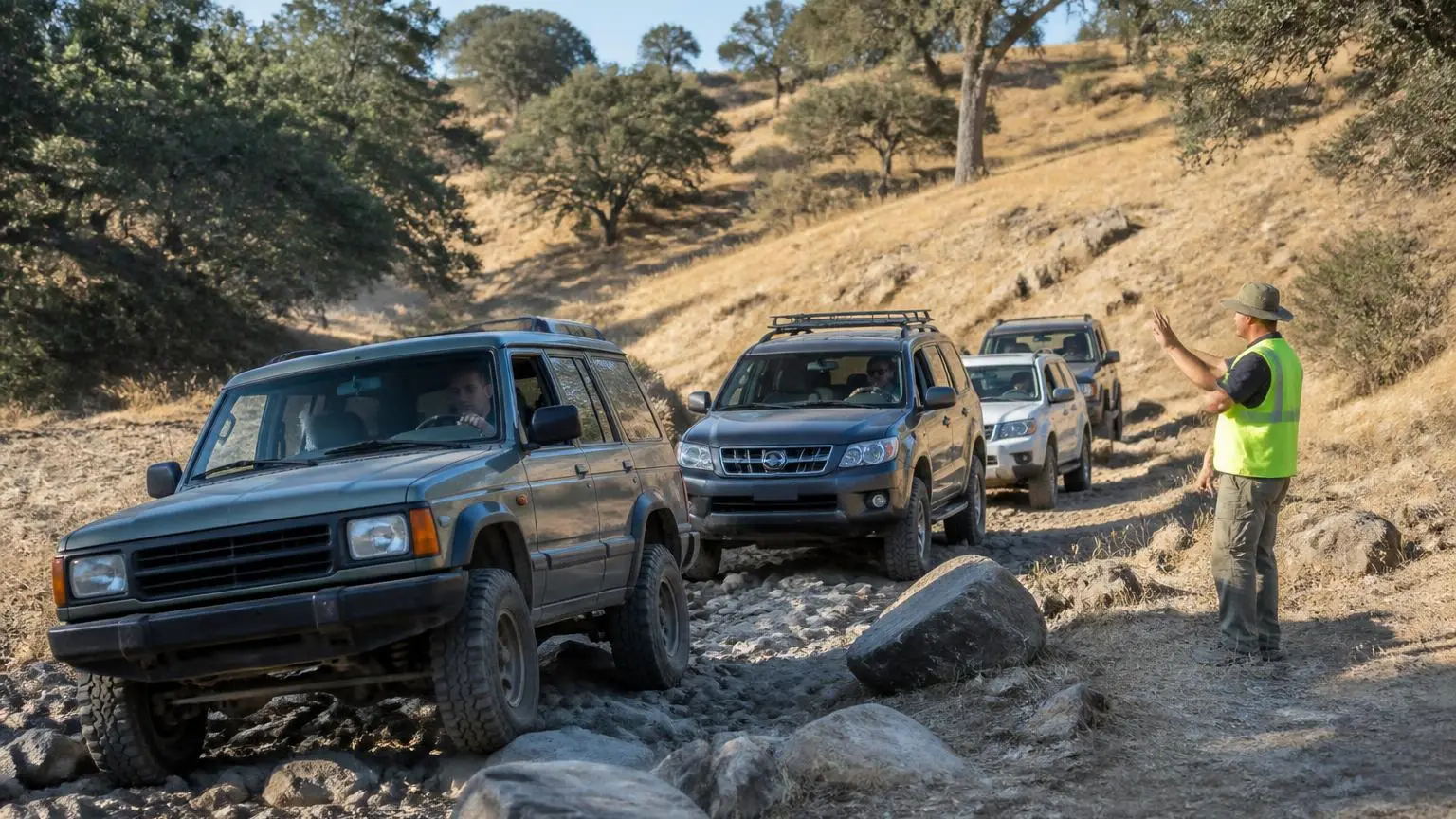
Most off-road driving courses combine classroom or briefing time on vehicle systems — 4-high vs 4-low, hill descent control, locking differentials — with substantial seat time on a controlled obstacle course or a real trail under direct instructor supervision (see FAQ). Wheel placement, line choice, recovery basics like traction-board use and winching fundamentals, and trail etiquette typically round out a full-day or multi-day curriculum.
Course vs Solo Trial-and-Error
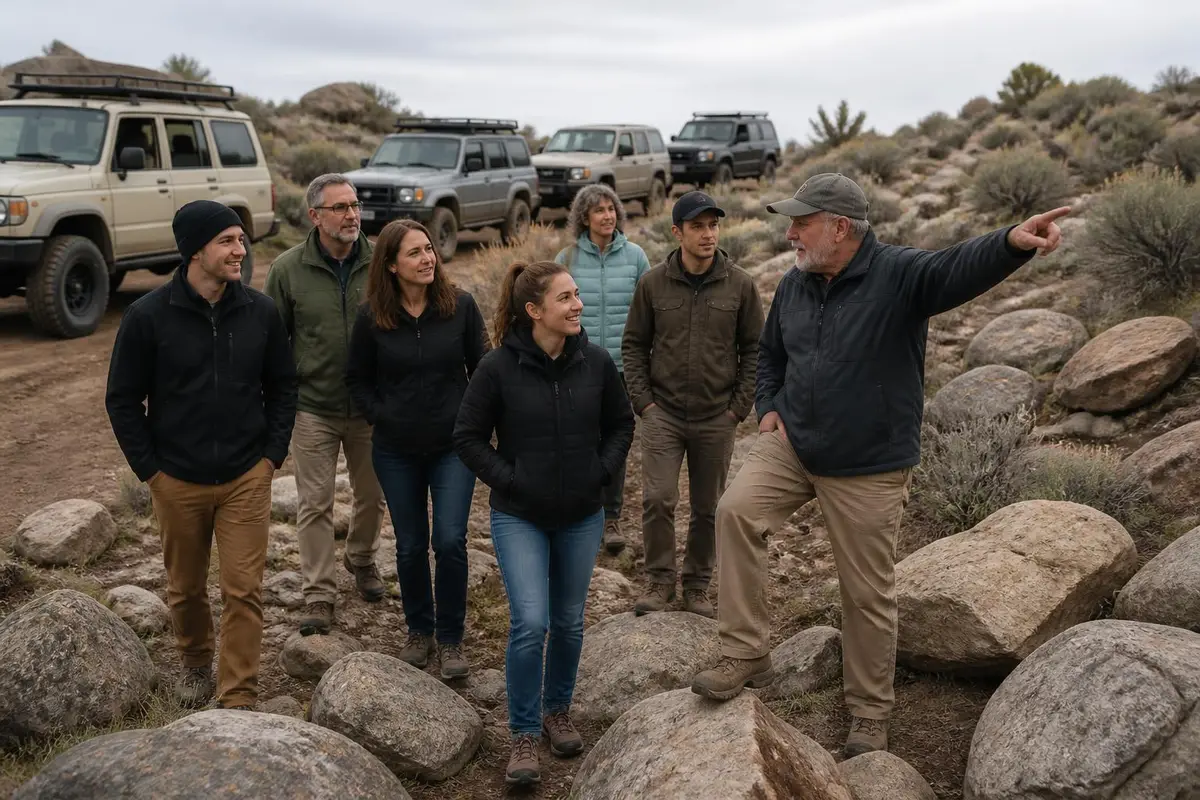
The case for a course over solo learning is speed and safety: an instructor watching in real time can catch a dangerous line choice, a wheel-placement mistake, or incorrect gear selection before it causes vehicle damage or a genuine safety incident, where solo trial-and-error only catches the mistake after it's already happened. The case for solo learning is cost and flexibility — building skill gradually on easy, well-traveled trails (see off-road driving tips) works for a driver with patience and access to a supportive local off-road community or club.
Manufacturer-Run Schools
Ford's Bronco Off-Roadeo (see FAQ) is a one-day, instructor-led course, free to Bronco buyers, that covers trail etiquette and recovery technique — including how to rig a recovery strap, winch and Hi-Lift jack — before sending drivers out on two- or four-hour guided trail drives. Jeep's Adventure Academy uses instructors drawn from Jeep Jamboree USA, a long-running organized-trail-run operation, and Land Rover's Experience centers have run vehicle-specific instruction in North America for over a decade. All three combine general off-road technique with system-specific instruction on that manufacturer's own hill descent control, locking differential or terrain-mode implementation — a good fit for an owner of that exact vehicle wanting instruction tailored to systems they actually have.
Independent and Regional Schools
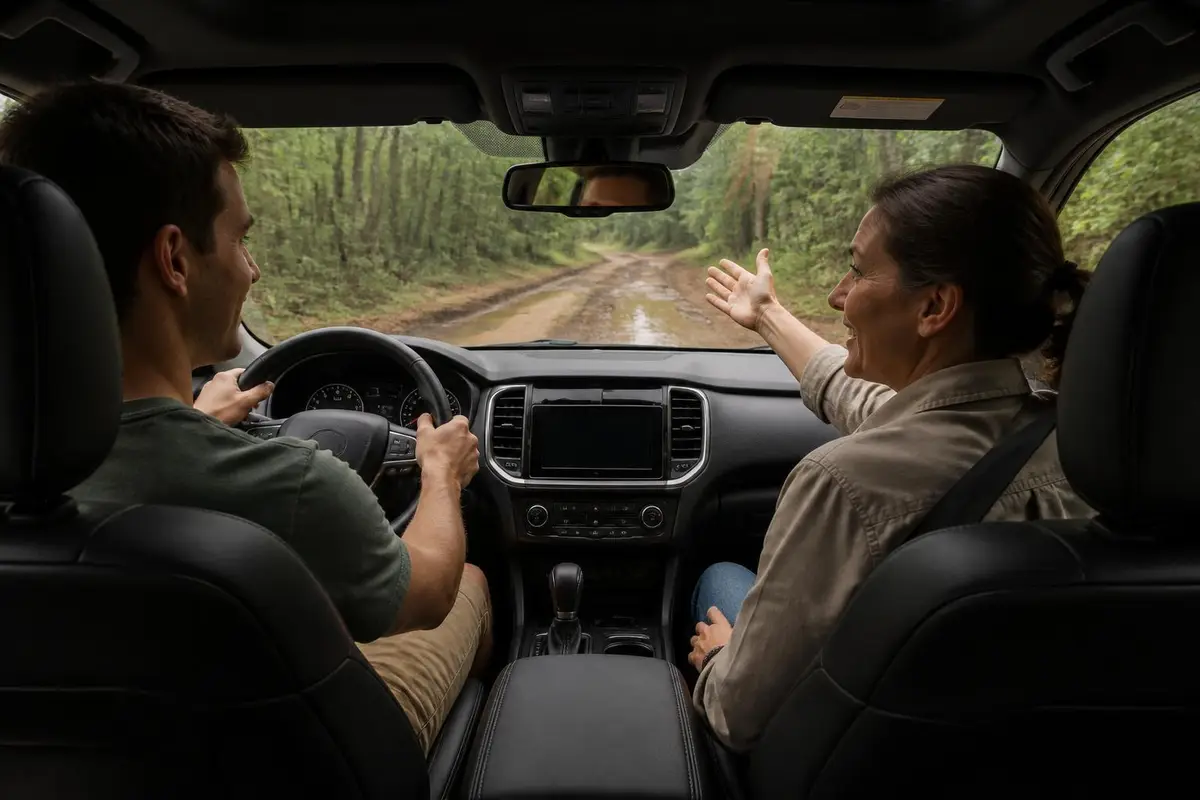
Independent off-road driving schools, not tied to a single manufacturer, generally offer broader vehicle-agnostic technique instruction and sometimes a wider range of terrain types across a single course. These can be a better fit for a driver who owns a less common platform or wants technique instruction that isn't centered on one brand's specific systems.
How to Actually Choose One
Check instructor credentials and real experience, confirm the course is genuinely run with real vehicles and terrain rather than mostly classroom time, look at class size (smaller generally means more individual attention per student), and read recent reviews from past students rather than relying on marketing copy alone (see FAQ). Confirming the course is matched to your specific vehicle type before booking avoids a mismatch discovered on arrival.
Building on a Course Afterward
A course is a strong starting point, not a finish line — continuing to build skill gradually on progressively harder-rated trails afterward, ideally with an established local off-road club or group run, is what experienced drivers report as the actual path to genuine trail competence over time. See off-road trail ratings for how to match that gradual progression to an actual trail's posted difficulty.
Recommended gear
A first recovery kit for any 4WD
Affiliate disclosure: As an Amazon Associate, we earn from qualifying purchases, at no extra cost to you. Purchases through these links help keep this site running and up to date. Learn more

Best for a complete strap, shackle and glove kit in one bag.
- Straps, shackles, gloves, damper and a recovery bag in one kit.
- Covers most vehicle-to-vehicle recoveries without buying parts separately.

Best for getting unstuck from sand, mud or snow without another vehicle.
- Nylon recovery boards that give spinning tires grip in sand, mud or snow.
- Double as a shovel to clear sand from in front of the tires.

Best for airing all four tires down to a set pressure at once.
- Automatic deflators preset between 6 and 30 PSI.
- Air all four tires down at once, then stop at the set pressure.

Best for airing back up before you hit pavement.
- Portable 12V compressor rated to 150 PSI.
- Sized for truck and SUV tires.
We research products from manufacturer specs and owner feedback; we don't test them ourselves. How we choose.
Sources
- Bronco Off-Roadeo — Official Site — Ford's Bronco Off-Roadeo one-day course details, locations and free-to-buyers structure.
- Consumer Reports — Inside Ford's Off-Roading School for Bronco Owners — Curriculum detail: trail etiquette, recovery-strap/winch/Hi-Lift-jack instruction, guided trail drives; instructor pedigree (Vaughn Gittin Jr., Loren Healy).
- The Globe and Mail — Ford's Bronco Off-Roadeo driving school — Comparison context: Jeep's Adventure Academy (Jeep Jamboree USA instructors) and Land Rover's Experience centers operating in North America for over a decade (three U.S., one Quebec).