
Affiliate disclosure: As an Amazon Associate, we earn from qualifying purchases, at no extra cost to you. We research rather than test, and commissions never change our rankings. This site is reader-supported: those commissions pay for hosting, research and keeping every guide up to date, so if a guide helped you, buying through our links is an easy way to support it. How we rank · Full disclosure
A posted trail difficulty rating describes the hardest single obstacle on a route, not the average driving throughout, and it's built from a handful of specific factors — required clearance, whether a locker and low range are genuinely necessary, and how much suspension articulation the hardest section demands — that vary somewhat between different rating systems and go stale faster than most drivers expect.
What a Rating Actually Describes
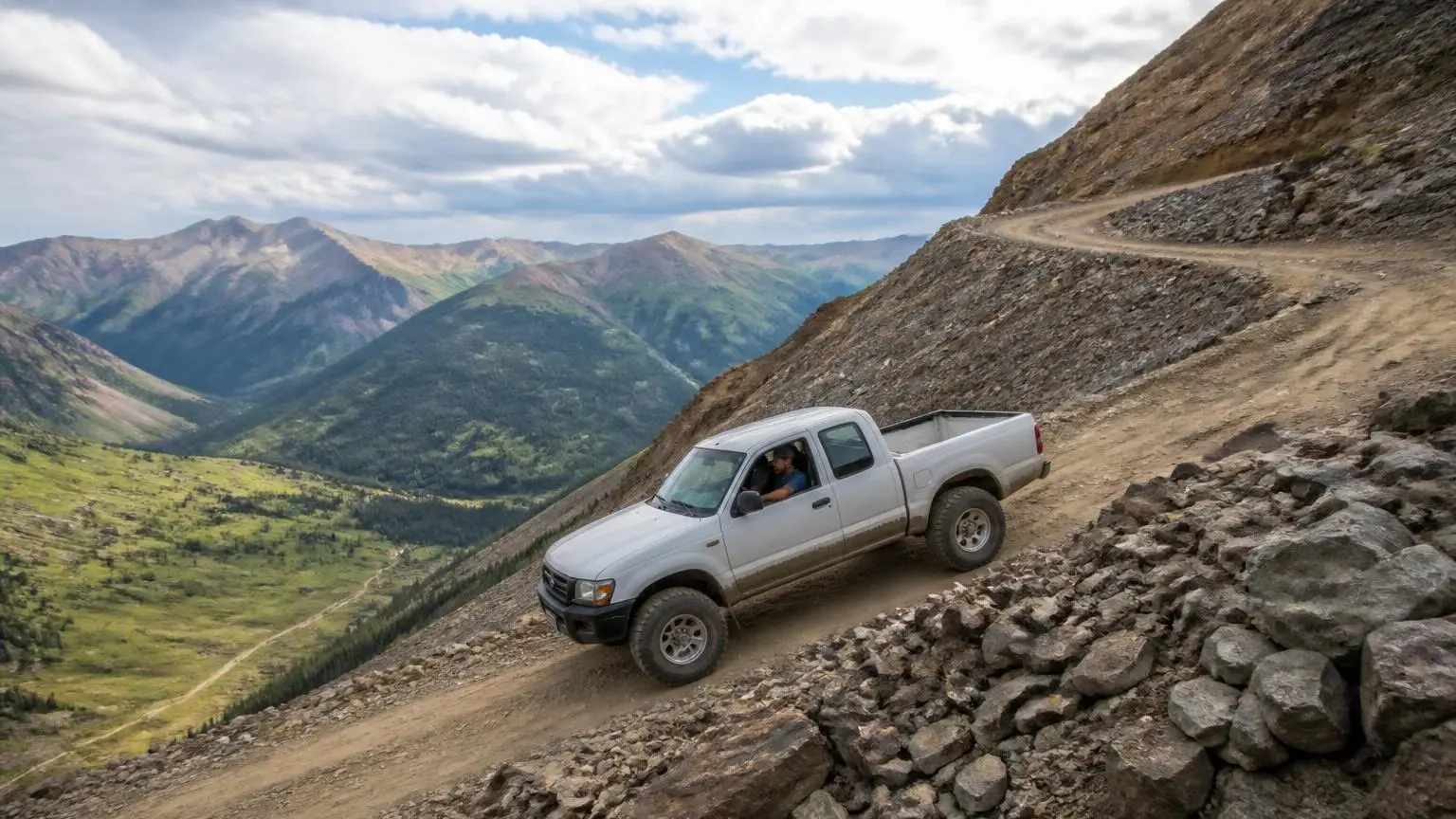
The U.S. Forest Service's OHV trail-difficulty symbols — green circle (easiest), blue square (more difficult), black diamond (most difficult), borrowed directly from ski-run signage (see FAQ) — and most independent trail guides that follow a similar convention, rate a route by its hardest single obstacle rather than its average difficulty. A trail with one short, technical rock ledge surrounded by otherwise easy, graded terrain can carry the same rating as a trail that's uniformly difficult throughout — reading a trail guide's full obstacle-by-obstacle description, not just the headline symbol or number, gives a more complete picture before committing.
The Factors Behind a Rating
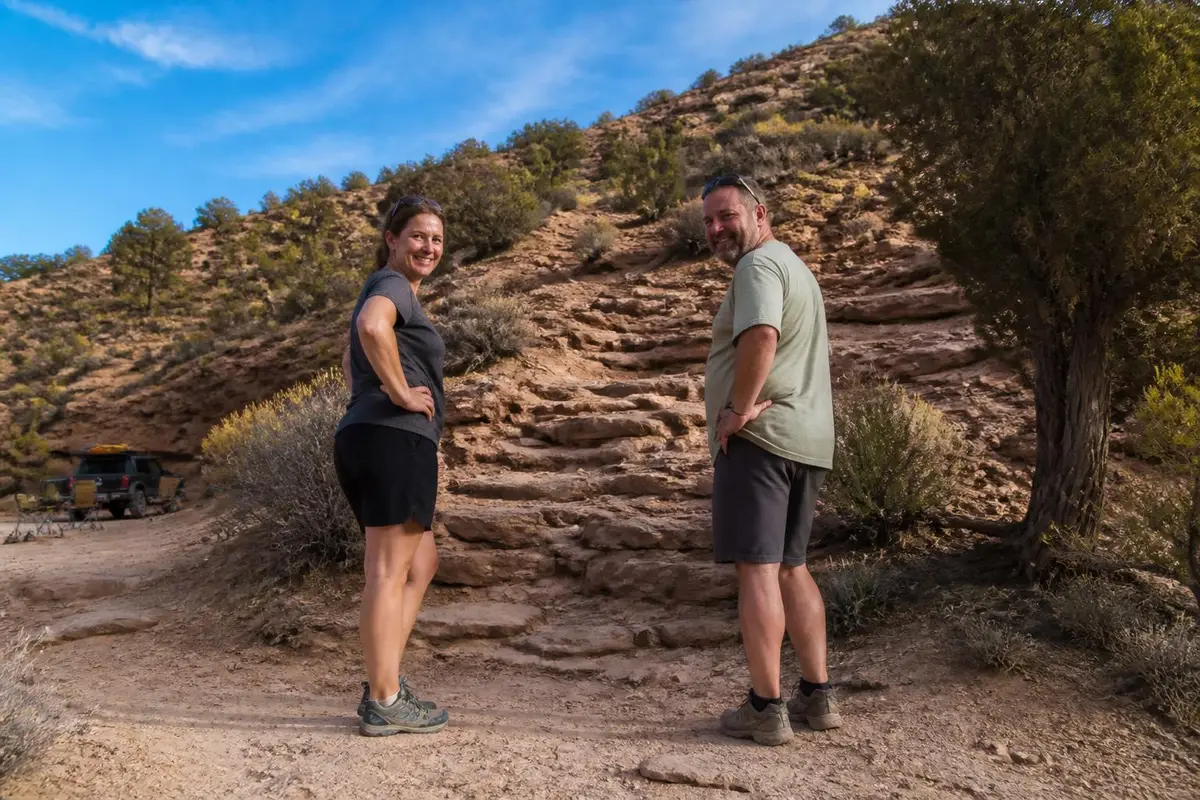
A rating generally weighs required ground clearance, whether low-range 4WD is genuinely necessary versus merely helpful, whether a locking differential is required or just an advantage, and how much suspension articulation the hardest obstacle demands (see FAQ). Trail width, exposure (how much consequence a mistake carries) and typical surface condition also factor into some systems' ratings, though the exact weighting differs between a Forest Service designation, a BLM route, a manufacturer's own trail-recognition program (Jeep, for instance, runs a Trail Rated certification and a Badge of Honor programme recognizing specific named trails) and an independent trail-guide publisher.
Matching Your Vehicle to a Rating
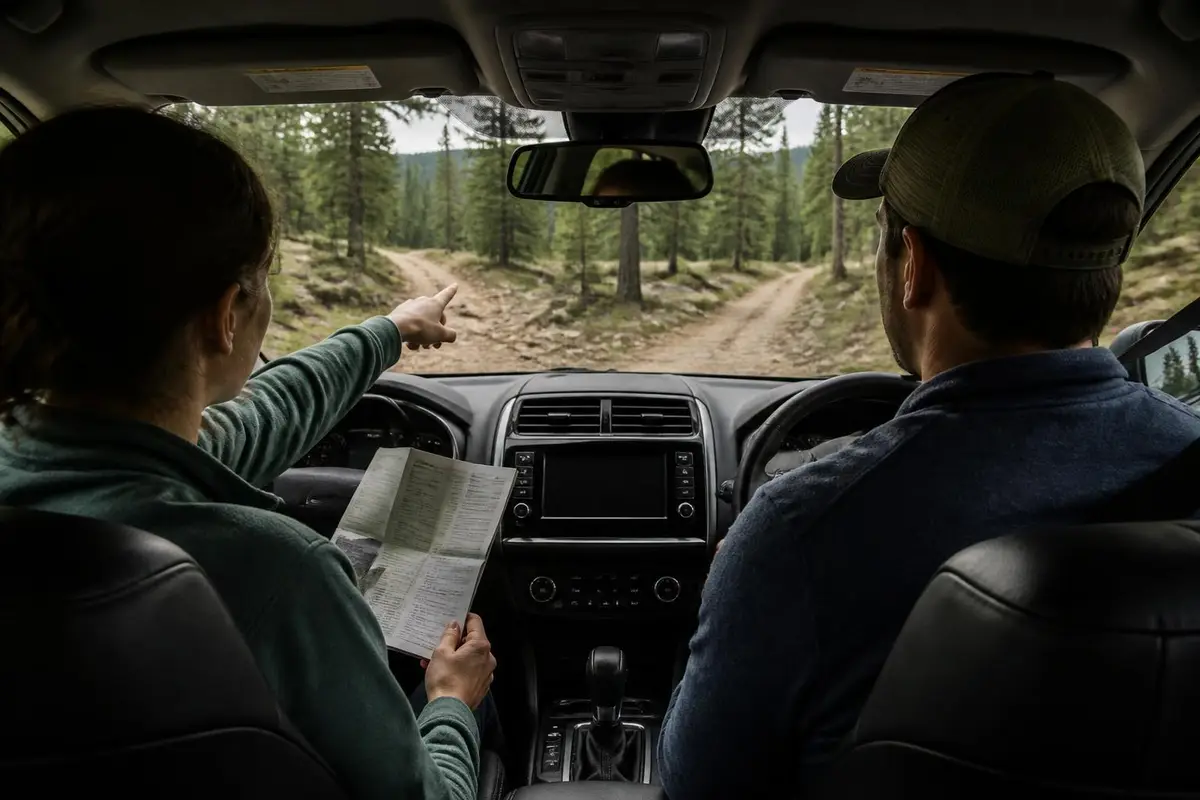
A stock, unmodified 4WD vehicle with reasonable factory ground clearance is generally suited to the easiest end of most rating scales (see FAQ). Moving up the scale generally starts requiring some combination of a locking differential, a suspension lift, larger tires, and underbody protection like skid plates or rock sliders — see bumpers, skid plates and rock sliders for the protection layer a higher-rated trail typically calls for.
Why a Rating Can Go Stale
Erosion, storm washouts, a new rockfall or a land-management reroute can shift a trail's real difficulty meaningfully between formal rating reviews, which don't happen on a fixed schedule for every trail system (see FAQ). A recent trip report from other drivers — increasingly shared through off-road community apps and forums — is generally a more reliable current picture than an older static rating published on a map or in a printed guide, particularly after a known weather event in the area.
Comparing Ratings Across Sources
Because different rating systems weigh factors somewhat differently, a rating from one source doesn't always translate directly to a rating from another — a trail rated moderate on one guide's scale might sit closer to difficult on a stricter system. Reading the obstacle-by-obstacle description behind a rating, rather than comparing headline numbers alone across different publishers, gives a more reliable sense of what a specific trail actually demands.
Building Toward Harder-Rated Trails
Working up gradually through easier-rated trails before attempting a route rated for a genuinely built vehicle is the approach experienced drivers consistently recommend — see what is rock crawling and off-road driving tips for the skill-building progression a rising trail rating calls for.
Recommended gear
A first recovery kit for any 4WD
Affiliate disclosure: As an Amazon Associate, we earn from qualifying purchases, at no extra cost to you. Purchases through these links help keep this site running and up to date. Learn more

Best for a complete strap, shackle and glove kit in one bag.
- Straps, shackles, gloves, damper and a recovery bag in one kit.
- Covers most vehicle-to-vehicle recoveries without buying parts separately.

Best for getting unstuck from sand, mud or snow without another vehicle.
- Nylon recovery boards that give spinning tires grip in sand, mud or snow.
- Double as a shovel to clear sand from in front of the tires.

Best for airing all four tires down to a set pressure at once.
- Automatic deflators preset between 6 and 30 PSI.
- Air all four tires down at once, then stop at the set pressure.

Best for airing back up before you hit pavement.
- Portable 12V compressor rated to 150 PSI.
- Sized for truck and SUV tires.
We research products from manufacturer specs and owner feedback; we don't test them ourselves. How we choose.
Sources
- U.S. Forest Service — Sierra National Forest OHV Trail Difficulty Symbols — Official green circle / blue square / black diamond OHV trail-difficulty rating symbols and what each tier generally requires.
- Jeep — Trail Rated Badge: Off-Road Vehicle Certification — Jeep's own brand-specific trail-recognition certification, referenced alongside land-manager rating systems.
- eCFR — 36 CFR §261.13, Motor vehicle use — Designated-route rule underlying why a route's rating is tied to its official designation.