
Affiliate disclosure: As an Amazon Associate, we earn from qualifying purchases, at no extra cost to you. We research rather than test, and commissions never change our rankings. This site is reader-supported: those commissions pay for hosting, research and keeping every guide up to date, so if a guide helped you, buying through our links is an easy way to support it. How we rank · Full disclosure
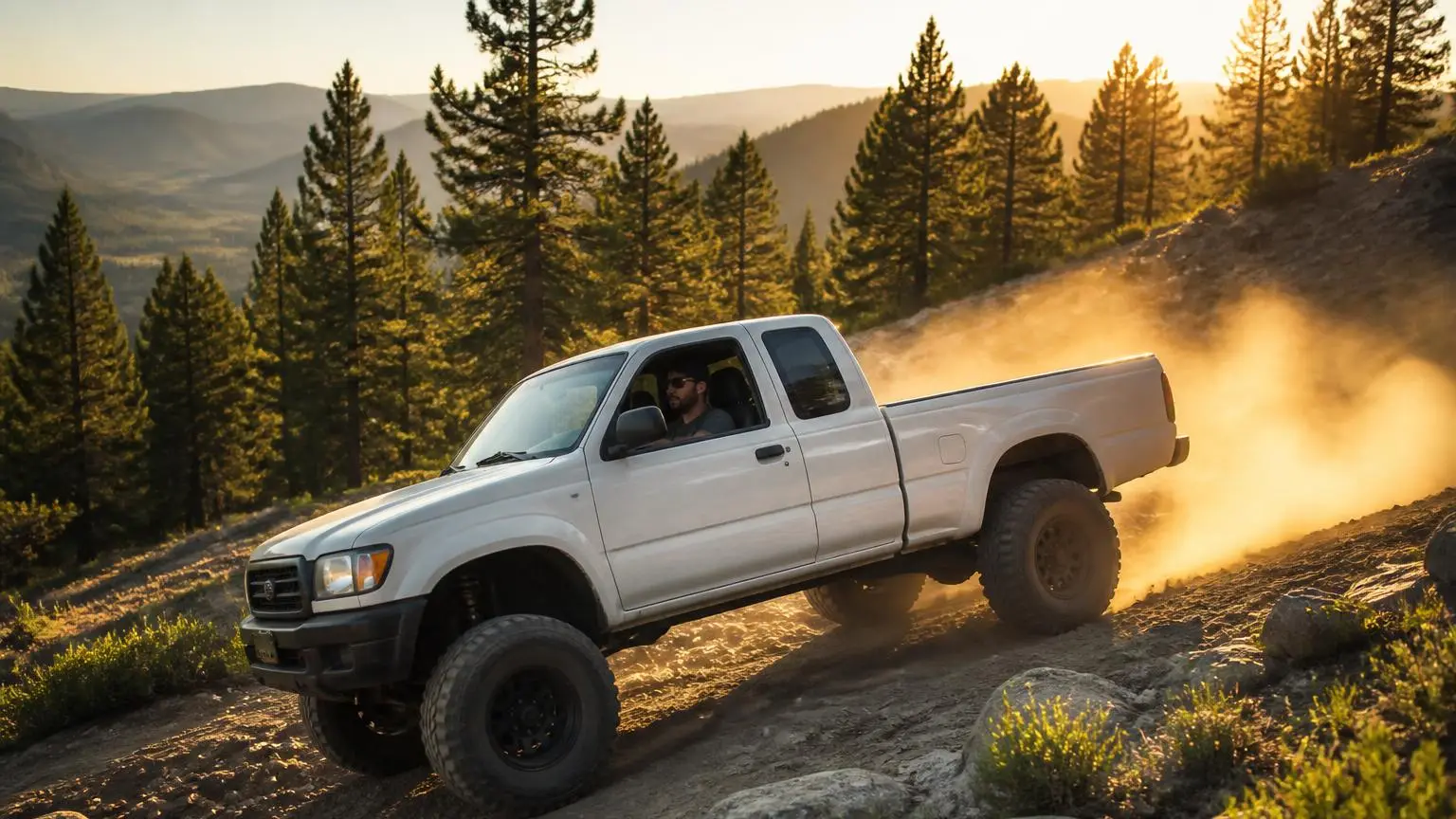
Regearing — replacing an axle's ring-and-pinion gear set with a different ratio — is a real cost most commonly triggered by a larger tire upgrade, and the total price depends on a specific set of cost drivers rather than a single flat number across every truck or Jeep.
What Drives Regear Cost
| Factor | Relative Cost Impact | Notes |
|---|---|---|
| One axle vs both axles | Large | Both axles generally need to match — see FAQ on mismatch risk |
| Ring-and-pinion gear set quality tier | Moderate | Higher load-rated gear sets for larger tires or towing cost more |
| Install kit (bearings, seals, shims, crush sleeve) | Moderate | A proper install always replaces these wear parts, not just the gears |
| Labor (setup precision, not just parts swap) | Large | Correct backlash and gear pattern setup is a skilled, time-intensive job |
| Speedometer recalibration | Small | Often bundled into the job; needed to keep displayed speed accurate |
Labor and the requirement to regear both axles together are the two largest cost drivers, generally outweighing the gear set parts cost itself.
Why Regearing Is Necessary After Larger Tires
A larger-diameter tire covers more ground per wheel rotation, which effectively works against the axle's gear ratio, reducing the engine's torque multiplication at the wheels — felt as sluggish acceleration and, in some cases, added strain on the transmission and engine as they compensate. Regearing to a numerically higher ratio (a smaller pinion relative to the ring gear) restores that torque multiplication, recovering the acceleration and load-hauling capability the larger tire otherwise costs.
Why Both Axles Need to Match
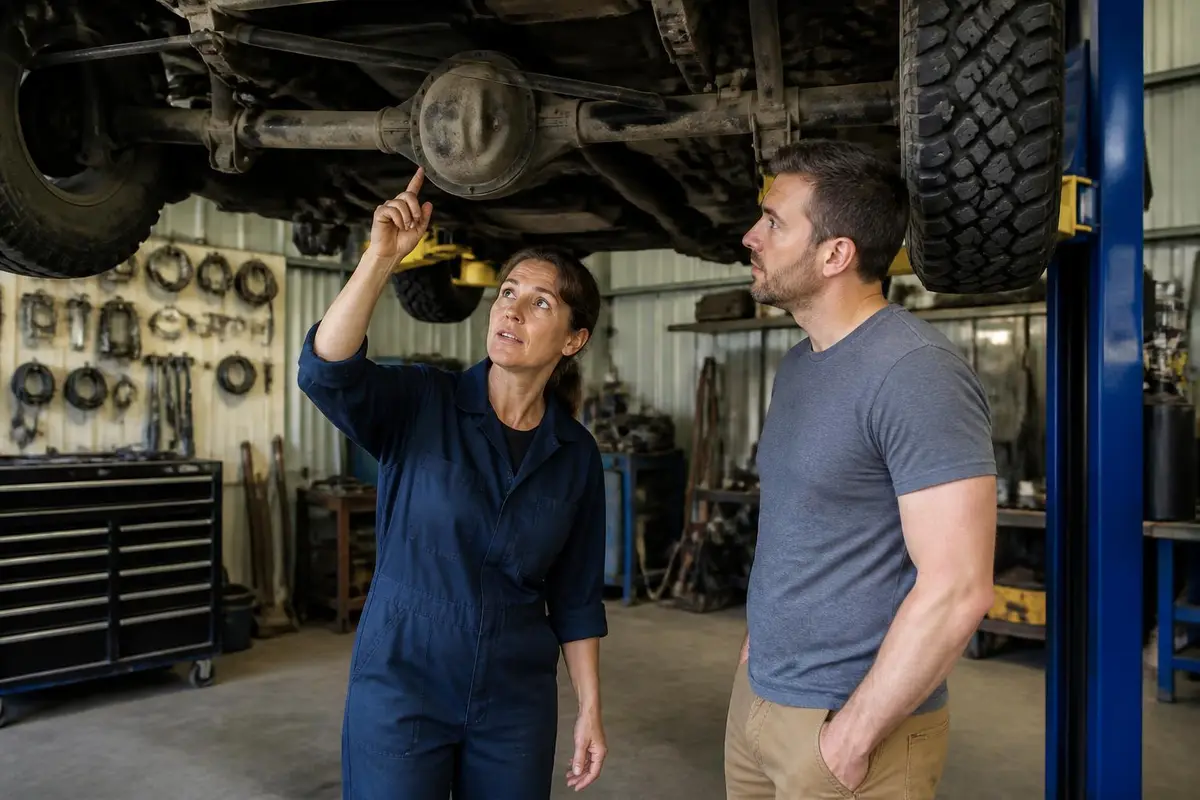
A 4WD vehicle's front and rear axle ratios need to match for the drivetrain to function correctly together. Regearing only one axle creates a speed mismatch between front and rear that stresses the drivetrain similarly to running a part-time 4WD system on dry pavement — see our part-time vs full-time 4WD guide for why that mismatch causes binding. Budgeting for both axles from the outset, rather than regearing one now and planning the other "later," avoids this problem entirely.
Parts Cost vs Labor Cost
The ring-and-pinion gear set itself, plus a complete install kit (new bearings, seals, shims and a crush sleeve), represents a real but not dominant share of total cost. Labor — precisely setting gear backlash and verifying correct gear-tooth contact pattern — is a skilled, time-intensive process and typically the larger single line item in a professional regear job. This labor-heavy nature is also why regearing is not considered a realistic DIY job for most owners without specific gear-setup experience and tools (see FAQ). Spicer's own rebuild specs for a Dana 44 AdvanTEK front axle put the tolerance in concrete terms: ring gear backlash must land within 0.003–0.006 in (0.076–0.152 mm), the ring gear bolts torque to 135–155 ft-lbs, and the pinion nut torques to a 160 ft-lb minimum — precision most home mechanics don't have the gauges or experience to hit reliably, which is exactly why the labor line, not the parts line, dominates the bill.
Choosing the Right Ratio, Not Just Any Ratio
The point of regearing is matching axle ratio to the new tire's rolling diameter so the engine's effective gearing — and displayed speed — land back close to stock. Spicer's own crate-axle listings for the Dana 44 span 3.73, 4.10, 4.56, 4.88, 5.13 and 5.38, a typical spread for this axle family; Yukon Gear & Axle publishes its own RPM/gear-ratio calculator methodology specifically to match a target ratio to a given tire size and desired cruise RPM, rather than guessing at a "close enough" ratio. Picking a ratio a step off from what the math calls for is a common, avoidable mistake that leaves either sluggish acceleration (too low a ratio for the tire) or unnecessarily high highway RPM (too high a ratio).
Regearing a Jeep Specifically
Jeep Wrangler and Gladiator owners regearing for larger tires face the same core cost drivers as any other 4WD truck — both axles, a matched gear set, a proper install kit and setup labor — though some Jeep axle families (Dana 30, Dana 44 — Jeep's own 4x4 systems page confirms the Rubicon runs a Dana 44 front axle where other trims run the lighter Dana 30) have a well-established aftermarket gear set market, which can make parts sourcing more straightforward than for a less common axle family. Confirming the vehicle's specific factory axle before ordering gears, rather than assuming based on trim level alone, avoids ordering the wrong gear set entirely.

Don't Forget Speedometer Recalibration
Changing the axle ratio changes the calibrated relationship between wheel rotation and displayed speed, so most regear jobs bundle in a speedometer recalibration, either through a programmer reflash or a physical speedometer drive gear change, to keep displayed speed and odometer readings accurate afterward.
Related Reading
See transfer case repair cost for a related drivetrain repair cost breakdown, and 4WD drivetrain systems for how axle ratio interacts with locking differentials and tire size more broadly.
Jeep is a trademark of its respective owner. 4x4 & Overlanding is an independent publication and is not affiliated with, sponsored or endorsed by any vehicle manufacturer.
Recommended gear
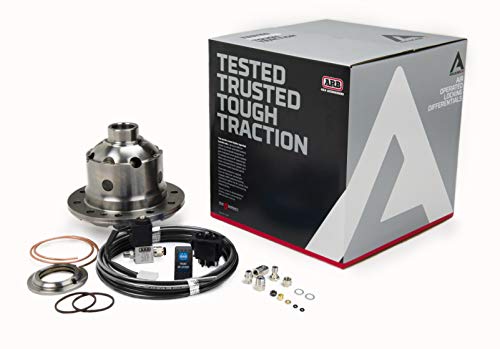
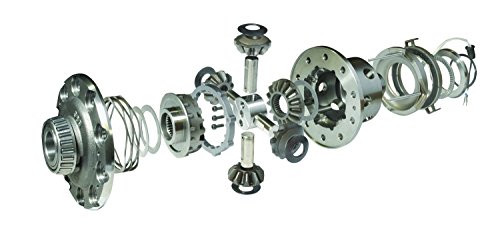
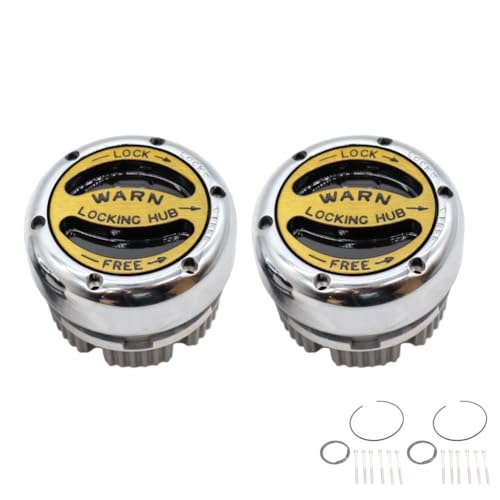
Lockers and hubs for your drivetrain
Affiliate disclosure: As an Amazon Associate, we earn from qualifying purchases, at no extra cost to you. Purchases through these links help keep this site running and up to date. Learn more
We research products from manufacturer specs and owner feedback; we don't test them ourselves. How we choose.
Sources
- Eaton — Detroit Truetrac Limited-Slip Differential — General axle/gear-set engineering background relevant to ring-and-pinion regearing.
- Spicer (Dana) — Dana 44 Front Crate Axle — Dana 30/Dana 44 aftermarket ring-and-pinion availability for Jeep applications.
- Spicer — Ultimate Dana 44 AdvanTEK Front Axle for the Jeep Wrangler JL — Ring gear backlash spec (0.003-0.006 in), ring gear bolt torque (135-155 ft-lbs), pinion nut torque (160 ft-lbs min) and gear ratio options (3.73-5.38).
- Yukon Gear & Axle — How to Use an RPM Calculator to Find the Right Gear Ratio — Methodology for matching a gear ratio to tire size and target cruise RPM rather than guessing at a ratio.
- Jeep — 4x4 Systems (Command-Trac, Rock-Trac, Selec-Trac) — Confirms Wrangler Rubicon runs a Dana 44 front axle vs Dana 30 on other trims, relevant to sourcing the correct gear set.