Winter Car Emergency Kit Checklist

TL;DR
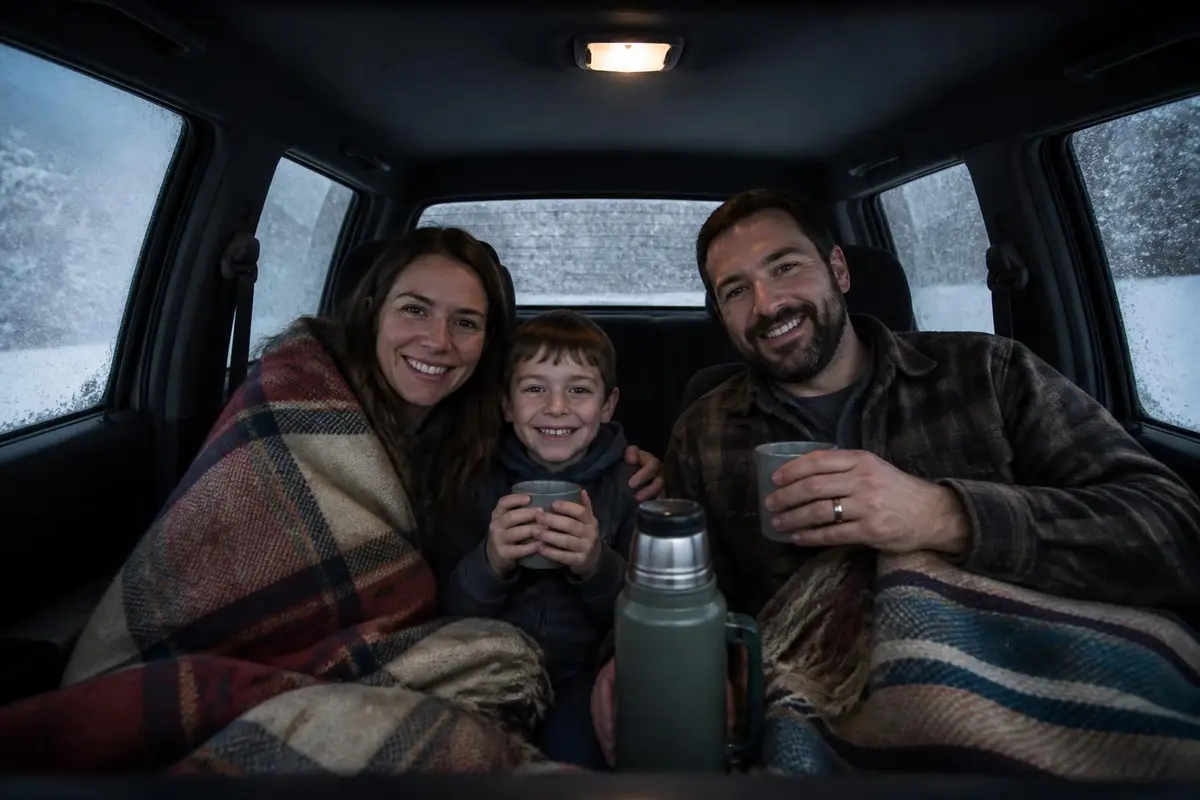
- Pack the winter additions NHTSA and the National Weather Service list: a shovel, sand or cat litter, an ice scraper and brush, blankets or sleeping bags and extra warm clothing.
- Keep the tank near full; the NWS and CDC say it helps avoid ice in the tank and fuel lines.
- If stranded, stay in the vehicle and run the engine about 10 minutes an hour, with the exhaust pipe cleared of snow and a window cracked.
- Signal with the dome light at night, a bright cloth on the antenna or door, and the hood raised once snow stops.
- Watch for hypothermia: shivering, exhaustion, confusion, fumbling hands and slurred speech. Below 95°F body temperature is an emergency.
A winter kit is built around one risk: being stuck somewhere cold, possibly overnight, before help arrives. This list follows what NHTSA, the National Weather Service, the CDC and Ready.gov say to carry, so you can pack it once before the first freeze and check it each season.
Why a Winter Kit Is Different
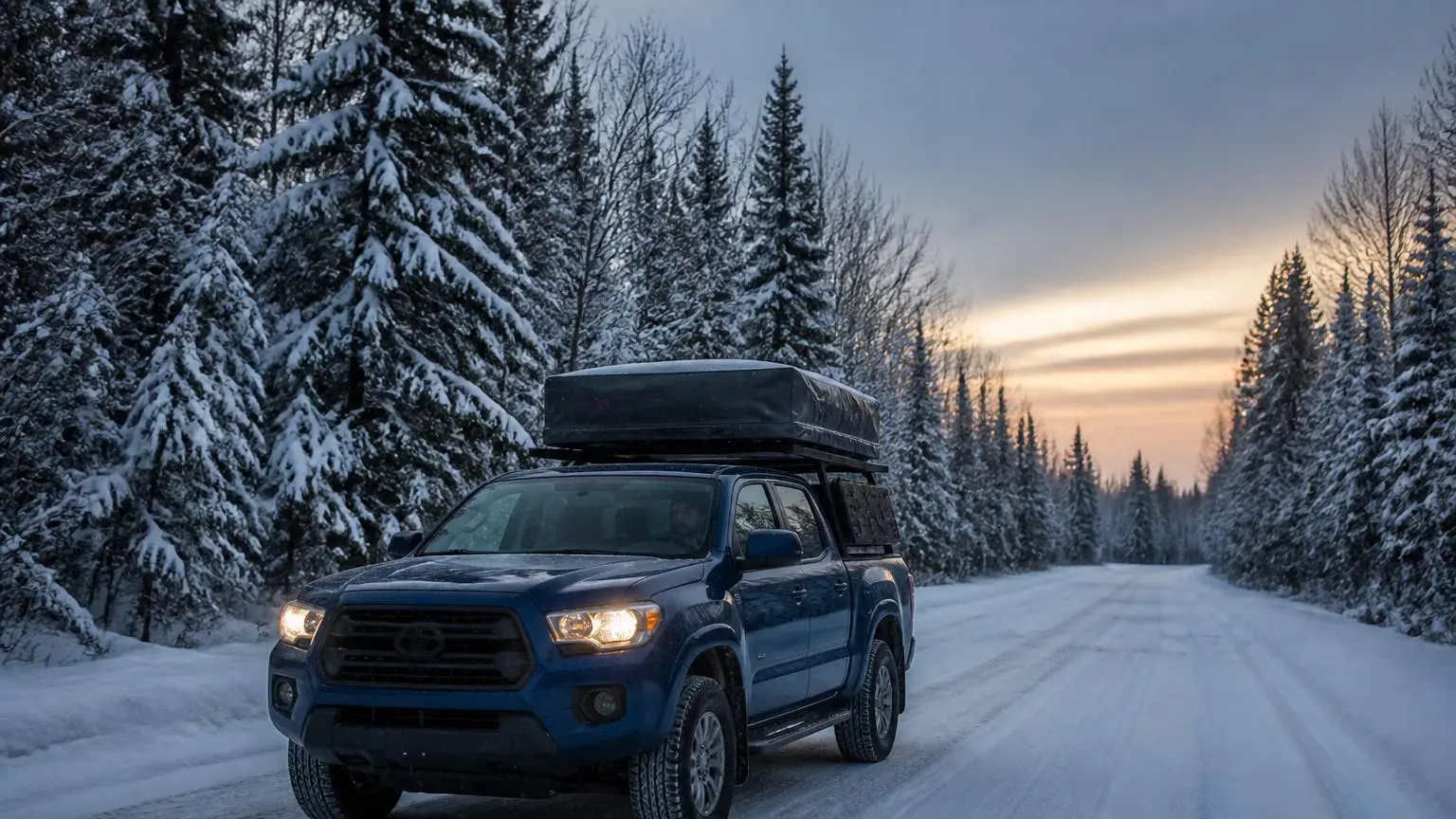
In summer, a dead battery or a stuck vehicle is an inconvenience. In a hard freeze, on a rural road with no cell signal, it can become a cold-exposure emergency. NHTSA counted 320 fatal crashes and an estimated 22,293 injury crashes in 2023 that happened in snow or sleet. Cold also weakens the vehicle: NHTSA notes that battery power drops with temperature, and gas and diesel engines need more of it to start, while tire pressure falls as the air cools.
What the Agencies Say to Carry
| Agency | What its winter vehicle list adds |
|---|---|
| NHTSA | Snow shovel, broom and ice scraper; sand or kitty litter; jumper cables, flashlight and flares or markers; first-aid kit with a tourniquet; blankets; phone and charger, water, food and medicine |
| National Weather Service | Sleeping bags, extra dry clothing, high-calorie food, a knife, tow rope, booster cables, a tool kit, a water container, a can and waterproof matches to melt snow, a compass and road maps |
| CDC | Phone, portable charger and extra batteries; hats, coats, mittens and blankets; windshield scraper; shovel; first-aid kit; tow chains or rope; booster cables |
| Ready.gov | Jumper cables, sand, flashlight, warm clothes, blankets, bottled water and nonperishable snacks |
How to Use This Checklist
Work through the sections in order: warmth and shelter, traction, visibility and signaling, food and water, then the habits to build before you're ever stranded. Each tick saves in your browser, so you can build the kit over a few store runs, and Reset checklist clears it for next season. Before the season, NHTSA also recommends checking the battery and charging system, winter washer fluid, wiper blades, coolant and tire pressure.
If You Do Get Stranded
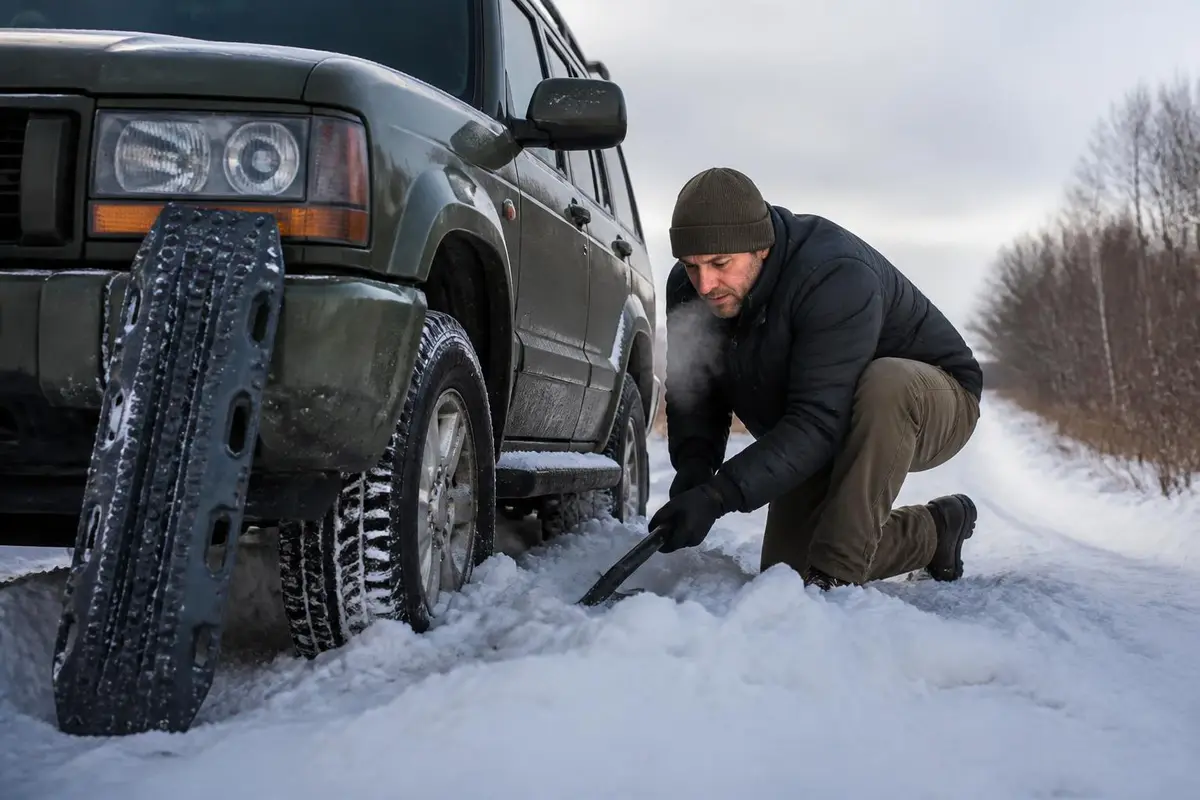
Stay with the vehicle; NHTSA and the National Weather Service both say not to leave it or overexert yourself. Run the engine only about 10 minutes each hour, with a window opened slightly and the exhaust pipe cleared of snow, because a blocked exhaust can push carbon monoxide into the cabin. Keep the dome light on at night while the engine runs, tie a bright cloth to the antenna or door, and raise the hood once snow stops falling to signal that you need help. Watch everyone for the CDC's signs of hypothermia: shivering, exhaustion, confusion, fumbling hands and slurred speech. If the vehicle is just stuck, see how to get unstuck in snow.
Warmth & shelter
Traction & getting moving again
Visibility & signaling
Food, water & basic supplies
Before You’re Stranded
Ticks are saved only in your browser on this device; never sent to us.
Get the Printable Checklist Pack
Leave your email and we'll add you to the list for the full printable checklist pack when it's ready. No spam, unsubscribe any time.
Recommended gear
Gear for snow and winter trips
Affiliate disclosure: As an Amazon Associate, we earn from qualifying purchases, at no extra cost to you. We research rather than test, and commissions never change our rankings. This site is reader-supported: those commissions pay for hosting, research and keeping every guide up to date, so if a guide helped you, buying through our links is an easy way to support it. How we rank · Full disclosure

Best for getting unstuck from sand, mud or snow without another vehicle.
- Nylon recovery boards that give spinning tires grip in sand, mud or snow.
- Double as a shovel to clear sand from in front of the tires.

Best for a kinetic rope with matching soft shackles.
- 7/8 in x 30 ft kinetic rope plus two 7/16 in soft shackles.
- Comes with a waterproof storage bag.

Best for a compact compressor for tires up to 33".
- Compact 12V compressor, 120 PSI, for tires up to 33 in.
- Small enough to keep in the vehicle full-time.

Best for plugging a tread puncture on the trail.
- Reamer-and-plugger kit for tread punctures.
- Lets you plug a tire on the trail instead of changing it.
We research products from manufacturer specs and owner feedback; we don't test them ourselves. How we choose.
FAQ
What should I do if I get stranded in snow overnight?
Stay in the vehicle. The National Weather Service advises running the engine about 10 minutes each hour for heat, opening a window a little while it runs, and clearing snow from the exhaust pipe to avoid carbon monoxide poisoning. Turn on the dome light at night while the engine runs, tie a bright cloth to the antenna or door, raise the hood once the snow stops, and move your arms and legs to keep blood flowing.
Why keep the tank full in winter?
The National Weather Service and CDC both advise keeping the tank near full to help avoid ice in the tank and fuel lines. A full tank also gives you more hours of running the engine for heat if you are stuck.
What are the warning signs of hypothermia and frostbite?
The CDC lists shivering, exhaustion, confusion, fumbling hands, memory loss, slurred speech and drowsiness as signs of hypothermia in adults, and says a body temperature below 95°F is an emergency. Frostbite starts with redness or pain in the skin, then white or grayish-yellow skin that feels firm or waxy, and numbness. Get medical help as soon as possible.
Is a winter kit different from a general roadside emergency kit?
It builds on one. Our year-round Vehicle Emergency Kit covers jumper cables, warning triangles, tire tools, first aid and a fire extinguisher; this list adds what NHTSA and the National Weather Service recommend for cold weather, such as a shovel, sand or cat litter, an ice scraper and brush, extra blankets and warm clothing.
Sources
- NHTSA — Winter Weather Driving Tips — 2023 snow/sleet crash figures (320 fatal, an estimated 22,293 injury crashes); winter kit list; stay with the car, keep the exhaust clear, run the engine sporadically; cold reduces battery power and tire pressure; pre-season checks; keep the tank close to full.
- National Weather Service — Winter Safety: Before a Storm — NWS winter survival kit for vehicles and keeping the tank near full to avoid ice in the tank and fuel lines.
- National Weather Service — Winter Safety: During a Storm — If stranded: stay in the vehicle, run the motor about 10 minutes each hour, open a window slightly, clear the exhaust, dome light at night, bright (preferably red) cloth on the antenna or door, raise the hood after snow stops, keep moving your limbs.
- CDC — Winter Weather: Prepare Your Car and Stay Safe — CDC winter car kit items and keeping the gas tank near full to avoid ice in the tank and fuel lines.
- CDC — Preventing Hypothermia and Frostbite — Hypothermia warning signs in adults, the 95°F emergency threshold, and frostbite signs.
- Ready.gov — Winter Weather — Ready.gov's winter car kit: jumper cables, sand, flashlight, warm clothes, blankets, bottled water and nonperishable snacks; stay inside if trapped in a car; keep a full tank.