

Affiliate disclosure: As an Amazon Associate, we earn from qualifying purchases, at no extra cost to you. We research rather than test, and commissions never change our rankings. This site is reader-supported: those commissions pay for hosting, research and keeping every guide up to date, so if a guide helped you, buying through our links is an easy way to support it. How we rank · Full disclosure
TL;DR
A center diff lock forces a full-time 4WD system's front and rear driveshafts to spin at the same speed, similar to what a part-time transfer case does permanently, giving extra traction on terrain where the front and rear axles risk spinning at meaningfully different rates.
What the Center Differential Normally Does
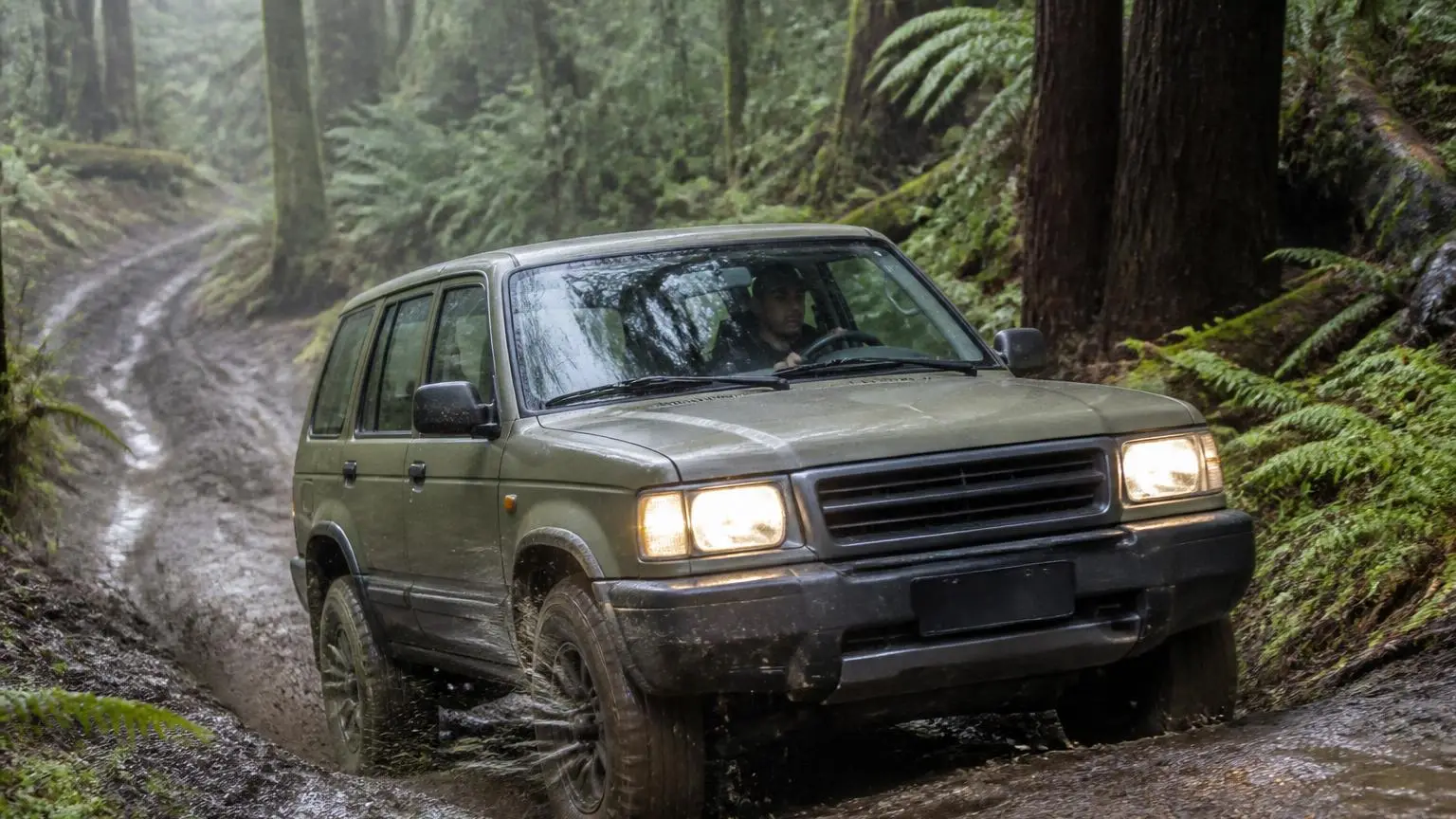
A full-time 4WD system uses a center differential specifically so the front and rear driveshafts can rotate at slightly different speeds, which is necessary because the front and rear tires travel very slightly different distances during cornering and under certain traction conditions. This is what allows a full-time system to stay in 4WD continuously, including on dry pavement, without the binding a part-time system would experience under the same conditions — see our part-time vs full-time 4WD guide for that mechanism in full.
What Happens When You Lock the Center Diff
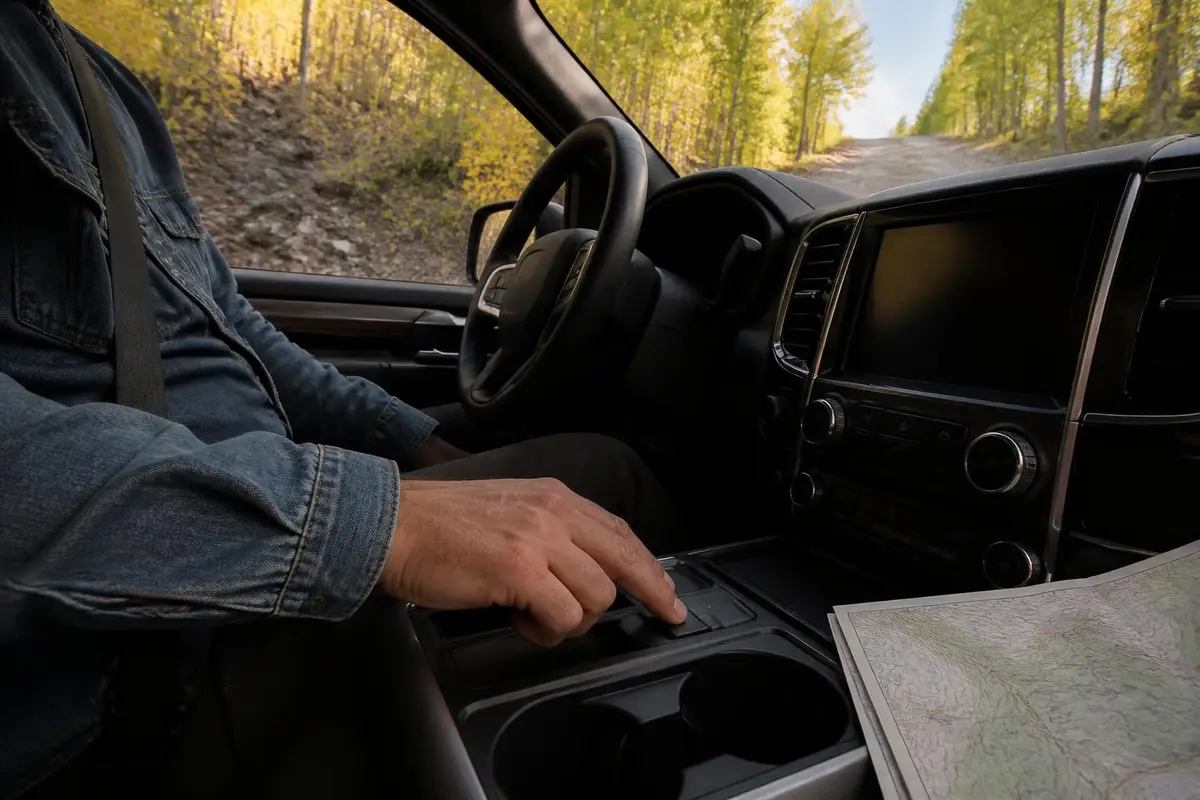
Engaging the center diff lock overrides that normal speed-compensation behavior, forcing the front and rear driveshafts to spin at the same speed — functionally similar to what a part-time transfer case does at all times when shifted into 4WD. This matters specifically when the front and rear axles encounter meaningfully different traction: without the lock, a center differential can send a disproportionate share of torque toward whichever end is slipping more, the same fundamental weakness an open axle differential has between its two wheels. Locking it forces torque to keep reaching both ends regardless of that traction difference.
Center Diff Lock vs Axle Locking Differential: Different Layers
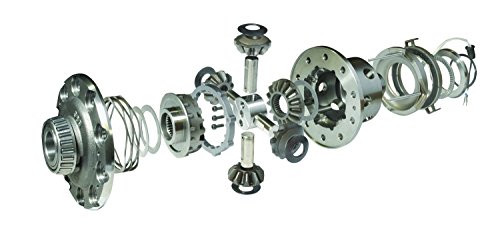
It's worth being precise about what each system actually locks. A center diff lock affects the front-to-rear torque split across the whole vehicle. An axle locking differential, covered in our what is a locking differential guide, affects the left-to-right split within a single axle. These are independent systems that can be combined: a vehicle can run a locked center differential with open axle differentials, or add a locked rear axle — an Eaton Detroit Locker or ELocker-style unit, for instance — on top of a locked center diff for the most demanding technical terrain, where traction is compromised at multiple points simultaneously.

When Engaging Actually Helps
A center diff lock earns its keep specifically when front and rear axle traction meaningfully differs — deep mud or sand where one end may dig in more than the other, a technical rocky climb, or a steep, loose grade. On a surface where front and rear traction is roughly even, locking the center diff provides little additional benefit and, as with any locked differential, removes some of the vehicle's ability to compensate for tight, low-speed cornering — engaging it only when the terrain genuinely calls for it, rather than leaving it locked by default, is the more mechanically sound habit.
Which Vehicles Actually Offer a Driver-Selectable Center Diff Lock
Not every full-time 4WD system offers a driver-selectable lock — some manage the front-rear torque split automatically through a viscous coupling or an electronically controlled clutch pack instead, with no direct driver control at all. A selectable center diff lock is a specific feature on some platforms, including several Toyota Land Cruiser and Subaru configurations historically, rather than a universal feature across every full-time system. Toyota's own newsroom materials for the current Land Cruiser state that center and rear locking differentials are standard equipment across every trim — not an option limited to the top-spec version — paired with a Multi-Terrain Select system (Mud, Dirt and Sand settings, working in both 4WD High and 4WD Low) and a standard Crawl Control feature offering five selectable low-speed cruise settings. Checking a specific vehicle's owner's manual is the reliable way to confirm whether this control exists and how it's engaged on a given model.
| Feature | Availability |
|---|---|
| Center locking differential | Standard, all trims |
| Rear locking differential | Standard, all trims |
| Multi-Terrain Select | Mud/Dirt/Sand settings in 4WD High and Low |
| Crawl Control | Standard, 5 selectable speeds |
Related Reading
See how does a transfer case work for the broader transfer case mechanics this system builds on, and what is a locking differential for the related axle-level system.
Toyota and Subaru are trademarks of their respective owners. 4x4 & Overlanding is an independent publication and is not affiliated with, sponsored or endorsed by any vehicle manufacturer.
Recommended gear
Lockers and hubs for your drivetrain
Affiliate disclosure: As an Amazon Associate, we earn from qualifying purchases, at no extra cost to you. Purchases through these links help keep this site running and up to date. Learn more
We research products from manufacturer specs and owner feedback; we don't test them ourselves. How we choose.
Sources
- Eaton — Detroit Truetrac Limited-Slip Differential — General differential engineering background for center-differential speed compensation.
- Jeep — 4x4 Systems (Command-Trac, Rock-Trac, Selec-Trac) — How a full-time 4WD system's center differential permits engagement on any surface, including dry pavement, versus a part-time system's fixed connection.
- Toyota Newsroom — 2026 Land Cruiser: Built to Explore — Standard center and rear locking differentials across all Land Cruiser trims, plus Multi-Terrain Select and 5-speed Crawl Control.
- Eaton — Detroit Locker Automatic Locking Differential — Example axle-level locking differential that can be combined with a locked center differential.
- Eaton — ELocker Selectable, Electronic Locking Differential — Second example axle-level locker that can be combined with a locked center differential.