
TL;DR
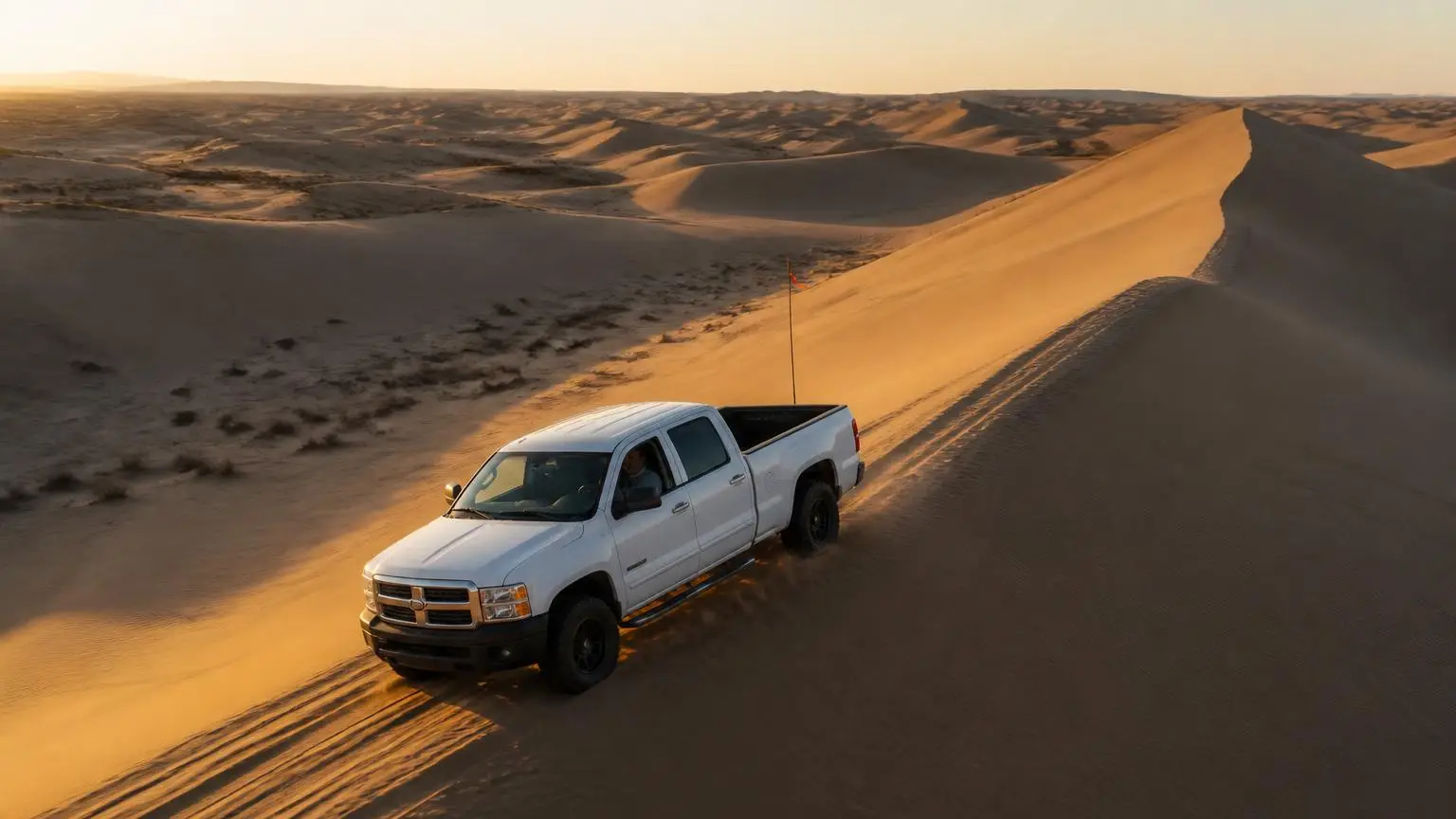
The Glamis Sand Dunes are the busiest part of the Imperial Sand Dunes Recreation Area in southeast California, run by the BLM. It is sand-car, UTV and ATV country first. An aired-down full-size 4x4 can drive the flats and washes, but the big dunes are difficult for heavy trucks. A permit is required from October 1 to April 15.
Recommended
Recommended for this trail
Affiliate disclosure: As an Amazon Associate, we earn from qualifying purchases, at no extra cost to you. We research rather than test, and commissions never change our rankings. This site is reader-supported: those commissions pay for hosting, research and keeping every guide up to date, so if a guide helped you, buying through our links is an easy way to support it. How we rank · Full disclosure

Best for getting unstuck from sand, mud or snow without another vehicle.
- Nylon recovery boards that give spinning tires grip in sand, mud or snow.
- Double as a shovel to clear sand from in front of the tires.

Best for airing all four tires down to a set pressure at once.
- Automatic deflators preset between 6 and 30 PSI.
- Air all four tires down at once, then stop at the set pressure.
Quick answers
- Need a 4WD, or will AWD/2WD do?
- Yes — 4WD with low range is what the research basis for this place calls for (4WD (dedicated sand cars / UTVs with paddle tires are the norm in the big dunes); ability to air down to low pressure and air back up (compressor); 8 ft whip mast with red/orange flag (mandatory on every vehicle); recovery gear: shovel, traction boards or planks, tow strap; good ground clearance / short overhangs for dune crests; headlights and taillights if operating at night).
- Trailers/RVs OK?
- BLM planned to move it temporarily to Cement Flats from summer 2026 during rebuilding (new station due summer 2028); EMS trailers operate at Cement Flats during construction.
- Dogs allowed?
- Not confirmed — check with BLM El Centro Field Office (Imperial Sand Dunes Recreation Area) before you go.
- Campfires allowed?
- Not confirmed — check with BLM El Centro Field Office (Imperial Sand Dunes Recreation Area) before you go. Fire restrictions change with drought and season — confirm the current status with BLM El Centro Field Office (Imperial Sand Dunes Recreation Area) before you light one.
- Permit or pass needed?
- Required — A recreation permit is required from October 1 through April 15 for each primary vehicle (the street-legal vehicle used to get to the dunes) (see the official page for current requirements: link below).Official page
- Suggested air-down range?
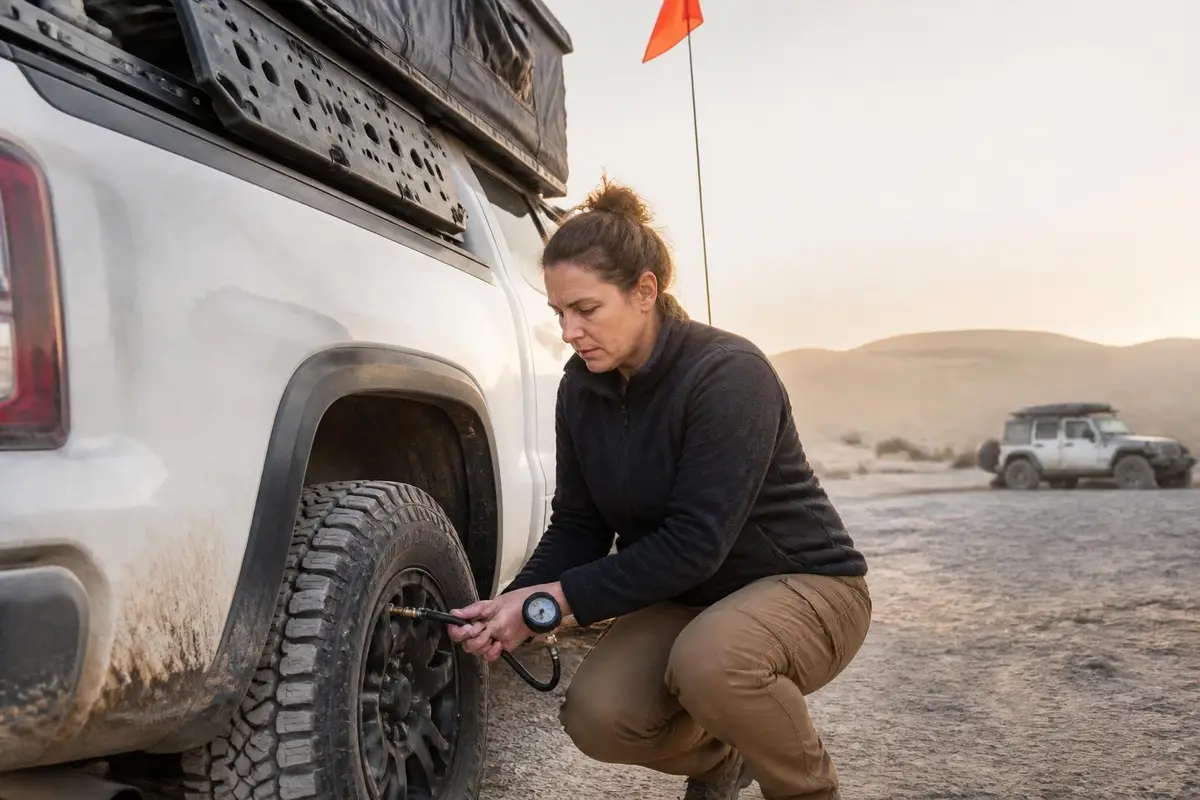
- Air down before you leave the pavement (truck owners on forums report around 10–12 psi in the dunes), and bring a compressor to air back up for the highway.
- Seasonal closures?
- North Algodones Dunes Wilderness (26,000+ acres, north of Highway 78) is closed to all vehicles and mechanized use; foot and horse travel only.
- Cell coverage?
- Not confirmed — don't rely on cell coverage here. Carry a satellite messenger or PLB and confirm conditions with BLM El Centro Field Office (Imperial Sand Dunes Recreation Area).
About this place
About Glamis (Imperial Sand Dunes)
The Imperial Sand Dunes, better known by riders as Glamis, are the largest mass of sand dunes in California. According to the BLM, the dune system runs more than 40 miles long, averages about 5 miles wide and builds to crests of roughly 300 feet. The area is also called the Algodones Dunes, and the BLM manages it as the Imperial Sand Dunes Recreation Area from its El Centro Field Office.
Glamis itself is the busy central section around Highway 78 and paved Gecko Road, where most people camp, stage and unload. Off the pavement it is all soft, shifting sand: towering bowls, blind crests and steep slip faces in the big dunes, with flatter ground at Glamis Flats and in the washes. Visitors describe a huge, Sahara-like expanse with terrain for many skill levels.
What makes the Glamis dunes famous is the scene as much as the sand. Holiday weekends bring big crowds, camps full of sand cars and side-by-sides, vendor row food and gear, and gathering spots such as Oldsmobile Hill and the sand drags. Off-season visitors describe the opposite: quiet dunes and clean facilities.
Why you need 4WD at Glamis (Imperial Sand Dunes)
Everything off Gecko Road and Highway 78 is loose sand, so a two-wheel-drive street vehicle will bog almost immediately. Four-wheel drive, low tire pressure and steady momentum are what keep a vehicle on top of the sand rather than digging into it.
The big-dune areas around Glamis are dominated by purpose-built sand cars, UTVs, ATVs and dirt bikes on paddle tires. Truck owners on forums report that a full-size 4x4 can drive the dunes if it is aired down to around 10 to 12 psi and kept moving, but stock pickups and SUVs are heavy, long and low for this terrain. Owners describe high-centering at dune crests and dragging the undercarriage, with one likening a stock truck to a sand plow.
For most full-size 4x4 owners, the realistic plan is to use the truck on the flats, washes and sand highways, or as the tow and camp vehicle for a dedicated sand machine. We rate the big dunes 7 out of 10 for a full-size 4x4 on our own scale (there is no official rating); the flatter zones sit nearer 3 or 4.
How hard is it?
Level of difficulty
Our own scale. There is no official BLM or club difficulty rating for the ISDRA. Scored 7 for a full-size 4x4 because of 300 ft dunes, blind crests and steep slip faces with rollover risk, very soft sand that stops heavy vehicles, and mixed high-speed traffic from sand cars and UTVs. The paved Gecko Road camping areas and flatter wash/flats zones are much easier (roughly 3–4) for an aired-down 4x4.
Gear this band commonly needs
- Locking differential (rear at minimum)
- 33"+ mud-terrain tires
- Rock sliders / underbody protection
- Winch strongly recommended
- Full recovery kit + a spotter
Hazards flagged for Glamis (Imperial Sand Dunes)
- exposure / drop-off
Gear list is our generic trail-rating rubric for this band, not place-specific. Hazards are pulled from this place's own visitor reports and rules, only when explicitly mentioned.
Can My Rig Do It?
Save your rig (tire size & lift height) to see a quick comparison against what Glamis (Imperial Sand Dunes) commonly needs.
General guidance only — this compares your saved tire size and lift height against the band's typical gear list, not your actual driving experience, tread pattern, or current trail conditions. It is not a go/no-go decision.
What visitors say
Pros and cons, according to visitors
What visitors love
- Visitors describe a huge, Sahara-like expanse of dunes with plenty of terrain to explore and riding for a wide range of skill levels. source
- Reviewers call the scenery striking and photogenic, and note you can stop at the overlook briefly for free just to look and walk around. source
- A repeat holiday-weekend visitor enjoyed the social scene: camping, riding the washes, vendor row food and gear, and crowd spots like Oldsmobile Hill and the sand drags. source
- Off-season visitors (December, March) found the area quiet with few people and said the facilities were clean. source
- Truck owners report that a regular 4x4 pickup can handle the sand if it is aired down to around 10–12 psi, driven with momentum and always parked facing downhill. source
What visitors warn about
- Reviewers warn that the heat is intense and you should carry lots of water and have a way to cool down. source
- Visitors report soft spots, sudden drop-offs and how easy it is to get lost in the dunes; one got stuck on sand near the road and needed help. source
- A holiday-weekend regular warns about drunk, reckless drivers, says you need GPS if you don't know the area, and says on-site repairs are expensive. source
- Riders following other vehicles deal with heavy dust and recommend dust masks, hats and sunscreen. source
- A stock full-size truck owner said his pickup high-centered at dune peaks and dragged its undercarriage, acting more like a sand plow than a dune vehicle. source
- Outside the season almost everything is closed, and the dunes are far from towns, so supply runs are a long drive. source
Plan your trip
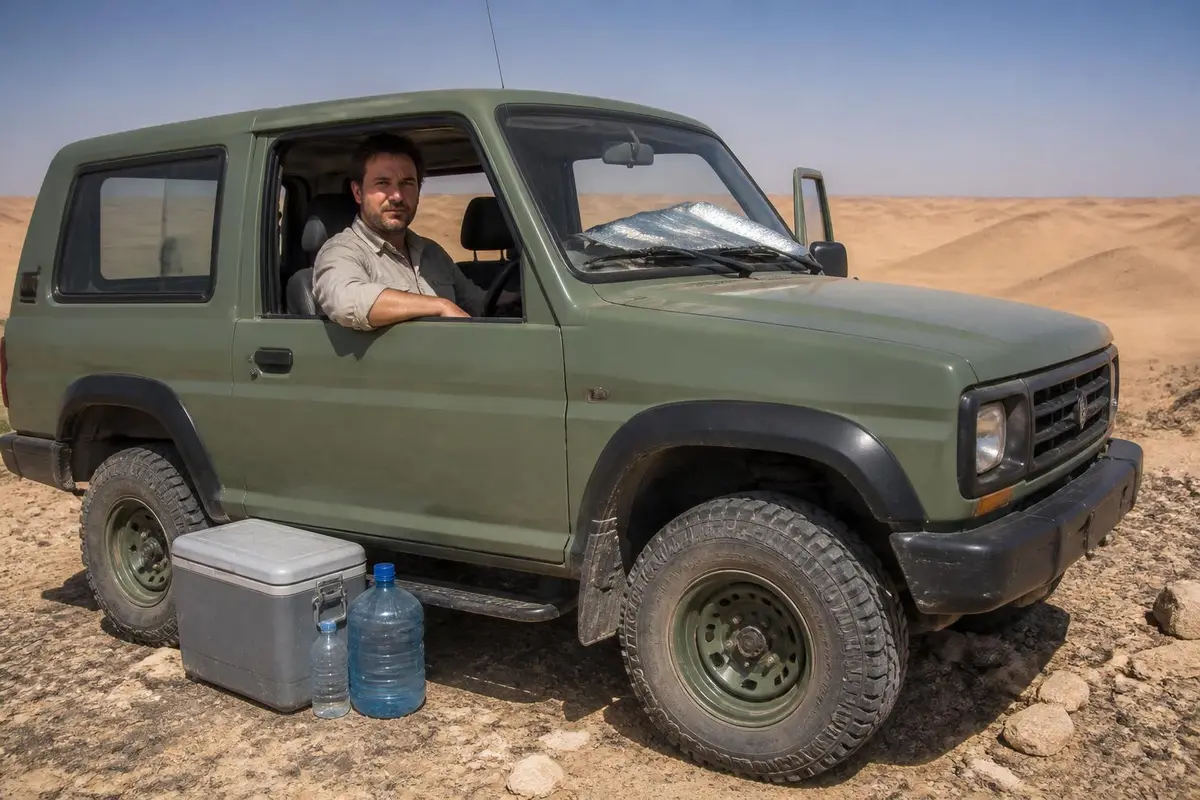
What it's like in the dry, wet and cold seasons
Dry season
Oct–Apr (permit season Oct 1–Apr 15)
This is riding season, with mild days and cool-to-cold desert nights. The sand is dry year-round, and wind storms can blow through camps and cut visibility. Weekends, and especially holiday weekends, are extremely busy. Summer is the off-season, when temperatures are reported to top 100°F and most services close.
Wet season
No defined wet season
This is low desert with very little rain, and no distinct wet season was verified. Occasional rain can firm up the sand. Flash-flood risk in the washes was not confirmed from an official source, so check the current forecast and conditions with the BLM before heading out after a storm.
Cold season
Dec–Feb
Daytime temperatures are generally comfortable for riding, but desert nights get cold, so pack warm layers and a way to heat camp. This stretch overlaps the busy New Year's and Presidents' Day holiday weekends. Check Glamis weather for overnight lows and wind before you commit to a camp spot.
Best time to go
Visit between late October and March on a weekday or a non-holiday weekend for mild temperatures and fewer crowds; avoid summer, when temperatures can top 100°F and most services close.
Season & Access
Typical open window
Visit between late October and March on a weekday or a non-holiday weekend for mild temperatures and fewer crowds; avoid summer, when temperatures can top 100°F and most services close.
Managing agency
BLM El Centro Field Office (Imperial Sand Dunes Recreation Area)
Official map / permit page
BLM El Centro Field Office (Imperial Sand Dunes Recreation Area) official page
Conditions change: confirm with the land manager before you go.
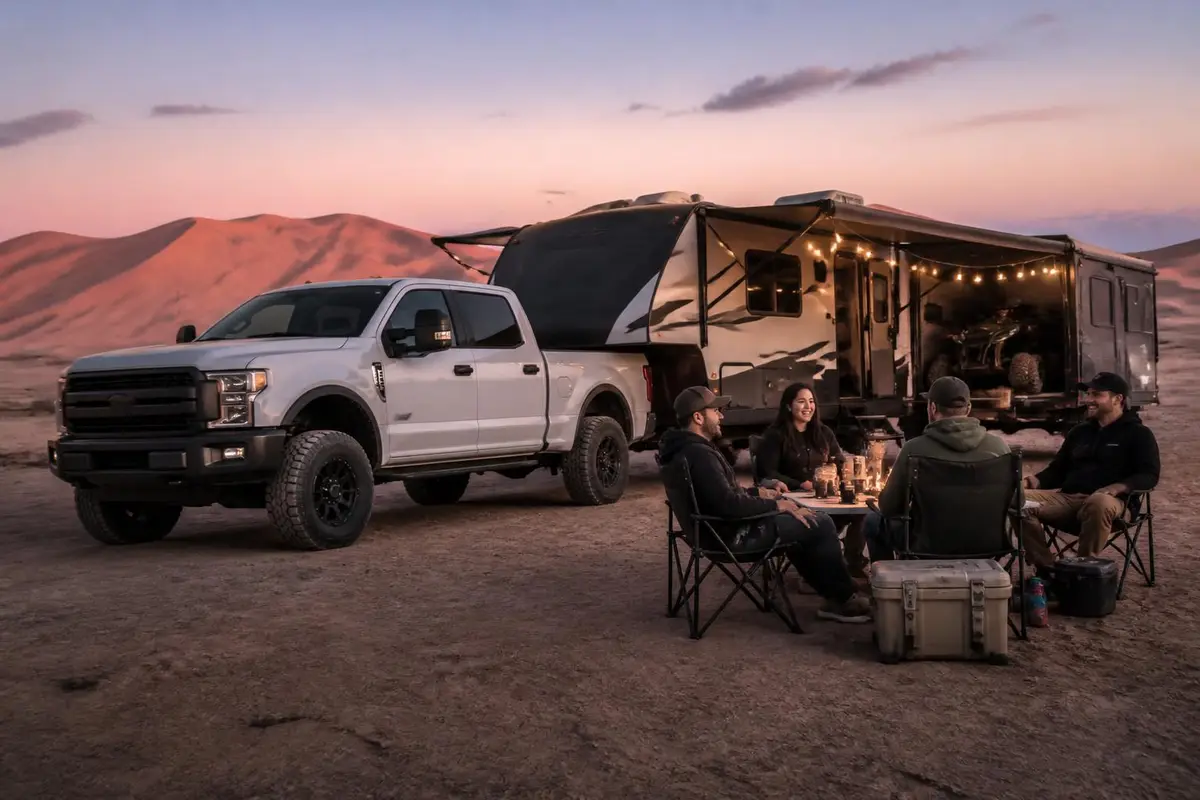
Our recommendations
- Buy your permit online before you go: $55 for a week off-site versus $70 on-site, one per street-legal vehicle from Oct 1 to Apr 15.
- Mount an 8 ft whip with a red or orange flag on every vehicle, full-size trucks included.
- Air down before you leave the pavement (owners report around 10 to 12 psi) and carry a compressor to air back up for the highway.
- Keep your momentum, park facing downhill, and crest at an angle rather than going straight over a ridge you can't see past.
- Never go out alone. Carry a shovel, traction boards, a tow strap, a GPS track back to camp and plenty of water.
- Stay south of Highway 78 in the open area. The wilderness north of the highway is closed to all vehicles.
- Skip Thanksgiving, New Year's and Presidents' Day weekends if you dislike crowds, or arrive early to claim a camp.
- Pack dust masks, sun protection and extra water. Reviewers say the heat and dust catch visitors out.
Amenities
Camping
Dispersed, primitive, first-come camping with no reservations; 14-day limit. BLM's Gecko Campground (the largest, north and south paved loops) and Roadrunner Campground on paved Gecko Road have hard-surface pads and vault toilets. Other popular camping zones include Glamis Flats, the Gecko 'Pads' and the Washes.
Toilets
Vault toilets at Gecko and Roadrunner campgrounds (no running water).
Drinking water
No potable water at the campgrounds. Bring all the water you need.
Fuel on site
Not confirmed — check with the land manager before you go.
Cell coverage
Not confirmed — check with the land manager before you go.
Air-up
Not confirmed — check with the land manager before you go.
Also good to know
Cahuilla Ranger Station (Gecko Road) sells permits, gives visitor information and offers emergency medical aid, open Fri–Sun from mid-October to mid-April. BLM planned to move it temporarily to Cement Flats from summer 2026 during rebuilding (new station due summer 2028); EMS trailers operate at Cement Flats during construction. Trash collection continues through the season.
Recommended
Air down, air up
Affiliate disclosure: As an Amazon Associate, we earn from qualifying purchases, at no extra cost to you. Purchases through these links help keep this site running and up to date. Learn more

Best for fast inflation of larger off-road tires.
- Heavy-duty 12V off-road compressor.
- Built for inflating larger off-road tires quickly.

Best for budget-friendly airing down before sand or rock.
- Adjustable 4-pack of deflators, 10–30 PSI.
- Screw on, set the pressure, and they stop automatically.
Getting there
Where is Glamis (Imperial Sand Dunes)?
Topo tiles: USGS The National Map. Fallback layer: © OpenStreetMap contributors.
Cahuilla Ranger Station, Gecko Road (32.9732, -115.1727) · Nearest town: Brawley, CA
How to get there
Where is Glamis sand dunes? It sits in Imperial County in far southeast California, east of Brawley, the nearest town for supplies. Highway 78 cuts across the dunes, and the main Glamis staging area is Gecko Road, a paved road running south of the highway. The map pin marks the Cahuilla Ranger Station on Gecko Road, which BLM lists as selling permits and offering visitor information and emergency medical aid on Fridays through Sundays from mid-October to mid-April. BLM has announced plans to operate from a temporary station at Cement Flats while Cahuilla is rebuilt, so confirm the current location with the BLM El Centro Field Office before you go. For Glamis sand dunes directions, most visitors come in on Highway 78. In season, buy the recreation permit for each street-legal vehicle online in advance, since it costs less on site; America the Beautiful passes do not reduce the fee. California residents also need current Green or Red Sticker registration on off-highway vehicles, and non-residents need a California non-resident OHV permit. Load a Glamis dunes map or GPS track before you lose signal, because visitors say it is easy to get lost among the dunes.
Supplies & services
Gas, groceries, mechanics and towing
Nearest shops and gas stations
Gas station
- Speedway23.2 mi
1791 Maggio Rd, Calexico, CA 92231
Google Maps Apple Maps - ARCO24.4 mi
205 E 15th St, Imperial, CA 92251
Google Maps Apple Maps - Maverik24.9 mi
1402 S Dogwood Rd, El Centro, CA 92243
Google Maps Apple Maps
Groceries
- Glamis Beach Store6 mi
5775 CA-78, Brawley, CA 92227
Google Maps Apple Maps - El Sol Market24.7 mi
124 W Barioni Blvd, Imperial, CA 92251
Google Maps Apple Maps - Los Mercados at Calexico27.1 mi
Imperial Ave, Calexico, CA 92231
Google Maps Apple Maps
Closest mechanics, towing and tire shops
Mechanic
- Garage Panchos20.5 mi
1026 Main St, Brawley, CA 92227
Google Maps Apple Maps - Brawley Auto Service & Repairs20.7 mi
790 B St, Brawley, CA 92227
Google Maps Apple Maps - Walmart Auto Care Center26.8 mi
2540 Rockwood Ave, Calexico, CA 92231
Google Maps Apple Maps
Towing / recovery
- Hawkins Towing19.7 mi
1631 Main St, Brawley, CA 92227
Google Maps Apple Maps - Estrada Towing24.4 mi
404 S N St, Imperial, CA 92251
Google Maps Apple Maps - Camel Tow Inc25.1 mi
312 Broadway, El Centro, CA 92243
Google Maps Apple Maps
Tire shop
- Quick Lane at El Centro Motors25.5 mi
1520 Ford Dr, El Centro, CA 92243
Google Maps Apple Maps - Pep Boys Auto Service & Tires26 mi
902 N Imperial Ave, El Centro, CA 92243
Google Maps Apple Maps - RM Tire Shop26.6 mi
61 E Main St, Heber, CA 92249
Google Maps Apple Maps
Distances are straight-line miles from the map pin; the drive is longer. Listings come from Google Maps business data (checked September 2026); emails are shown only where the business publishes one on its own website. Hours change, so call ahead, especially off-season.
Stay safe
Emergency services
In an emergency, call 911 first
Police, fire, ambulance and search & rescue. The contacts below are a courtesy and can change.
Nearest hospital
Pioneers Memorial Hospital
207 West Legion Road, Brawley, CA 92227
Google Maps Apple MapsLand manager
BLM El Centro Field Office
Manages the Imperial Sand Dunes Recreation Area
Before you lose signal
In the permit season the BLM ranger station (Cahuilla on Gecko Road, or the temporary Cement Flats station during 2026–2028 construction) provides emergency medical aid, and permit fees fund EMS, search and rescue and law enforcement. It is easy to lose your bearings among the dunes, so carry GPS with a saved track back to camp. Cell coverage was not verified, so a satellite messenger or PLB is a sensible backup, especially outside busy weekends and the permit season.
Good to know
Rules and permits
From October 1 to April 15, each primary street-legal vehicle needs an Imperial Sand Dunes recreation permit ($55 weekly bought in advance, $70 on site, or $185 for the season), though short stops at Osborne Overlook, Plank Road, the ranger stations and the Watchable Wildlife Area do not need one. Every vehicle must fly a red or orange flag on a whip 8 ft from the ground. The North Algodones Dunes Wilderness north of Highway 78 is closed to all vehicles. Speed is capped at 15 mph on the sand highways and near camps and groups. ATV riders need helmets, glass containers, fireworks and firearm discharge are banned, camping is limited to 14 days, and quiet hours run from 10 pm to 6 am.
Permit: A recreation permit is required from October 1 through April 15 for each primary vehicle (the street-legal vehicle used to get to the dunes). Fees effective Oct 1, 2025: weekly permit $55 bought off-site/online in advance, $70 bought on-site; season permit $185. Buy online at isdpermits.net / recreation.gov, from approved off-site vendors, or on-site. Buy immediately on arrival if you don't already have one. America the Beautiful passes do not reduce the fee. Short-term day visits at Osborne Overlook, Plank Road, the ranger stations and the Watchable Wildlife Area do not need a permit. Separately, California residents need current Green or Red Sticker OHV registration for off-highway vehicles; non-residents need a California non-resident OHV permit. (official page)
- Recreation permit required Oct 1–Apr 15 for each primary (street-legal) vehicle: $55 weekly off-site, $70 weekly on-site, $185 season.
- Every vehicle, motorcycles included, must carry a whip mast with a 6x12 in red/orange flag, 8 ft from the ground to the tip. A lighted whip is not required at night.
- North Algodones Dunes Wilderness (26,000+ acres, north of Highway 78) is closed to all vehicles and mechanized use; foot and horse travel only. Other posted limited-use and closed areas apply.
- 15 mph maximum on the sand highways near Hwy 78, Grays Well Road and Gecko Road; 15 mph prima facie limit within 50 ft of campsites or groups of people.
- Helmets are required for all ATV operators and passengers regardless of age.
- Required equipment: approved muffler, brakes and spark arrester; headlights and taillights for night operation.
- No alcohol while operating a vehicle; no one under 21 may possess alcohol; no glass beverage containers anywhere.
- No fireworks and no discharge of firearms within the recreation area.
- 14-day camping limit; no saving spaces; vehicles left unattended more than 72 hours may be towed.
- Quiet hours: no unreasonably loud audio between 10 pm and 6 am.
- California residents need current Green or Red Sticker OHV registration; non-residents need a California non-resident OHV permit.
- ROV operators must be 16 or older (younger only with supervision per the rules); ATV riders under 14 need a safety certificate and parental supervision.
- Organized events require written BLM authorization.
Gear for this trip
Gear for sand and beach driving
Affiliate disclosure: As an Amazon Associate, we earn from qualifying purchases, at no extra cost to you. Purchases through these links help keep this site running and up to date. Learn more

Best for airing back up before you hit pavement.
- Portable 12V compressor rated to 150 PSI.
- Sized for truck and SUV tires.

Best for plugging a tread puncture on the trail.
- Reamer-and-plugger kit for tread punctures.
- Lets you plug a tire on the trail instead of changing it.
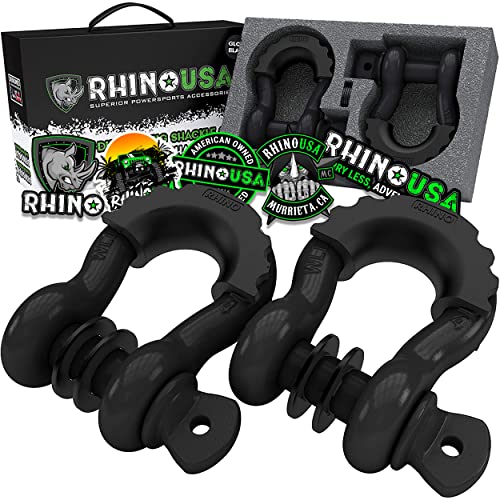
Best for rated connection points for straps and ropes.
- 3/4 in D-ring shackles, 41,850 lb listed break strength (2-pack).
- Connect straps to rated recovery points.
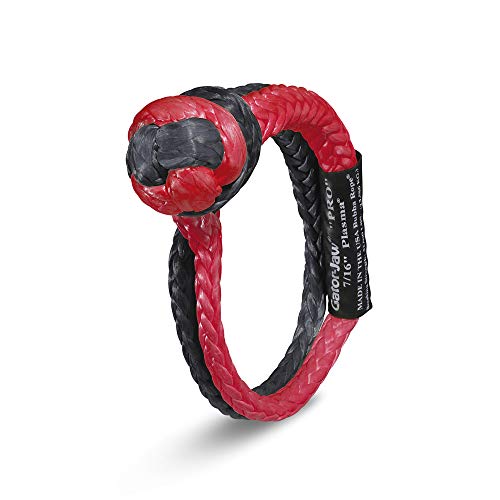
Best for a lighter alternative to steel shackles.
- 7/16 in synthetic soft shackle, 52,300 lb listed breaking strength.
- Lighter than a steel shackle and won't become a projectile.
We research products from manufacturer specs and owner feedback; we don't test them ourselves. How we choose.
Straight answers
Glamis (Imperial Sand Dunes) FAQ
How big is Glamis Sand Dunes?
The BLM describes the Imperial Sand Dunes as the largest mass of sand dunes in California, running more than 40 miles long and averaging about 5 miles wide, with dunes reaching roughly 300 feet high. Glamis is the busiest part of that system, centered on Highway 78 and Gecko Road. A large wilderness section north of the highway is closed to vehicles.
Do you need a Glamis dunes permit?
Yes, during the season. From October 1 through April 15, each primary street-legal vehicle needs a recreation permit. Current fees are $55 for a weekly permit bought online or from an off-site vendor, $70 bought on site, and $185 for a season permit. Buy it immediately on arrival if you don't already have one. Short day stops at Osborne Overlook and Plank Road do not need one.
Can you drive a regular 4x4 truck at Glamis?
Yes, with realistic expectations. Truck owners report that an aired-down 4x4 pickup at around 10 to 12 psi can handle the sand if it is driven with momentum and parked facing downhill. Stock full-size trucks are heavy and low, though, and owners describe high-centering at dune crests. Most use their trucks on Glamis Flats, the washes and the sand highways, and leave the big dunes to sand cars and UTVs.
What is the weather like at Glamis?
Glamis weather is mild during the October to April riding season, with comfortable days and cold desert nights, especially from December to February. Wind storms can sweep through camps and reduce visibility. Summer is reported to reach well above 100°F, and most services close then. Rain is rare, and no defined wet season was verified.
Where can you camp at Glamis?
Glamis camping is dispersed, primitive and first-come, with no reservations and a 14-day limit. The BLM's Gecko and Roadrunner campgrounds on paved Gecko Road have hard-surface pads and vault toilets but no running water. Other popular zones include Glamis Flats, the Gecko Pads and the Washes. Saving spaces is not allowed.
What is the Cahuilla Ranger Station?
The Cahuilla Ranger Station on Gecko Road is the BLM's main visitor point at the Imperial Sand Dunes. It sells permits, gives visitor information and provides emergency medical aid, and is listed as open Friday to Sunday from mid-October to mid-April. The BLM has announced a temporary move to Cement Flats while a new station is built, so check with the El Centro Field Office for the current location and hours.
Is Glamis busy at Thanksgiving?
Yes. Thanksgiving, New Year's and Presidents' Day weekends are the busiest times at Glamis, with huge crowds, packed camps and a lively vendor row scene. Regulars warn about reckless and impaired drivers and suggest setting up camp early. For quieter dunes, choose a weekday between late October and March.
What flag do you need at Glamis?
Every vehicle, including motorcycles and full-size trucks, must carry a whip mast with a 6 by 12 inch red or orange flag, standing 8 feet from the ground to the tip. A lighted whip is not required at night, but vehicles running after dark need headlights and taillights.
Sources
Researched from official land-manager, county and hospital sites plus published visitor reports. We have not driven every trail ourselves. See how we research.
- BLM — Imperial Sand Dunes (overview, wilderness, contacts)
- BLM — Imperial Sand Dunes Rules and Regulations
- BLM — Imperial Sand Dunes Recreation Area fee changes effective October 1
- BLM — Cahuilla Ranger Station
- BLM — Gecko Campground
- BLM — Roadrunner Campground
- ISD Permits — FAQs
- Recreation.gov — Imperial Sand Dunes gateway
- Pioneers Memorial Healthcare District — Emergency
- Imperial County Sheriff's Office
- onX Offroad — Glamis Sand Dunes Guide
- Tripadvisor — Imperial Sand Dunes reviews
- Tripadvisor — Glamis Dunes review
- Tripadvisor — 'Love Glamis' review
Keep exploring